In Uncategorized on June 24, 2017 by kmflett
Beard Liberation Front
24th June
Contact Keith Flett 07803 167266
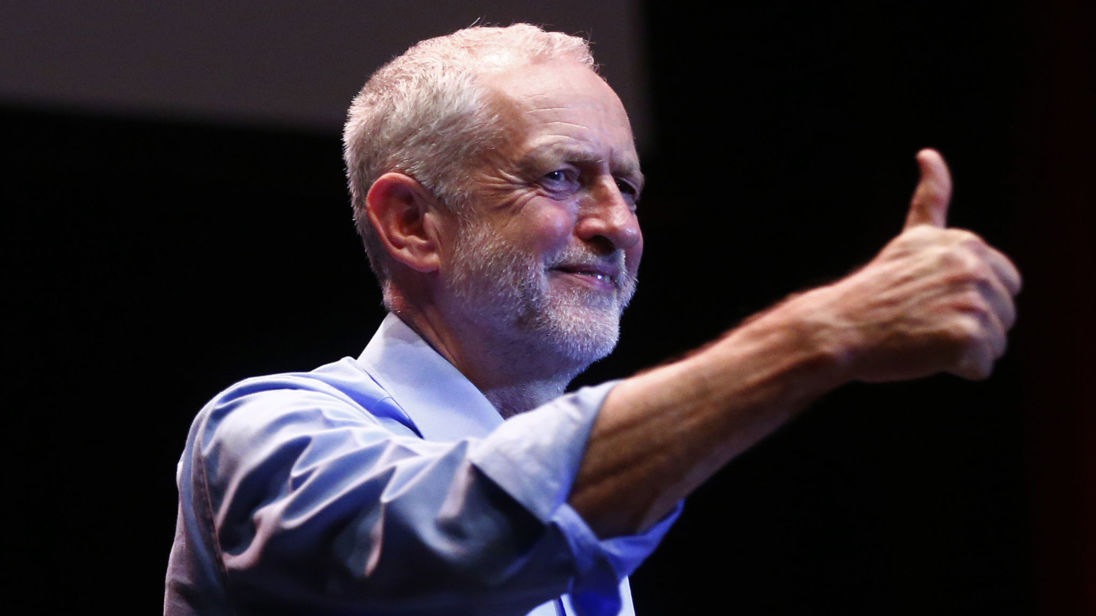
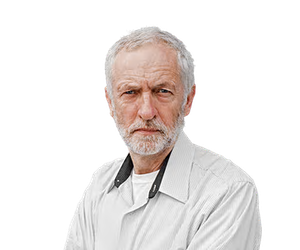
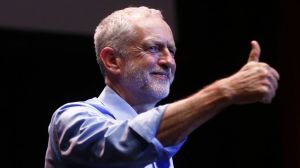
Campaigners say Jeremy Corbyn’s trimmed beard at Glastonbury ‘in-line’ with summer guidelines
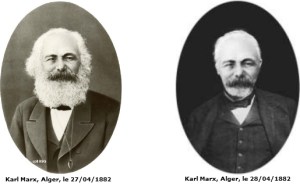
Beard Liberation Front summer beard guidelines date back to Marx
The Beard Liberation Front, the informal network of beard wearers which campaigns against beardism, has said that Jeremy Corbyn’s trimmed beard when he appeared on stage at Glastonbury on Saturday afternoon was fully in-line with long standing summer guidelines
BLF organiser Keith Flett said, while there is absolutely no need to fully shave off the beard in the UK when warm temperatures occur prudent trimming is acceptable.
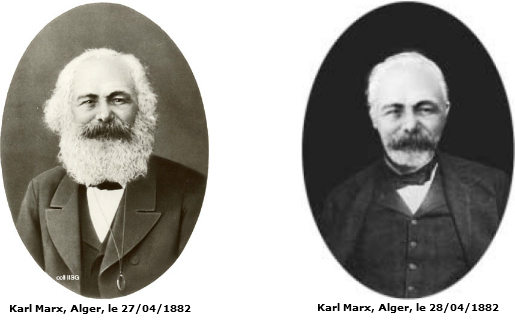
When in Algiers in 1882 Karl Marx had a full beard trim, as opposed to pruning, and exceptionally this is also permitted when temperatures rise in the summer.
The campaign group says that a change to warm temperatures can mean that the beard is unused to the conditions and follicles may dry out and wither unless precautions are taken.
Guidelines for maintaining the Beard in hot weather
Moderate summer trimming may be in order, following the guidelines set by Marx in 1882
If the beard starts to over-heat immersing it in the freezer cabinet of the nearest supermarket will provide an instant remedy
Hand held fans may also be used to ventilate the beard
If the beard starts to dry out in the heat and follicles become brittle immersion in a pint of craft beer will moisturise and nourish the beard
In Uncategorized on June 24, 2017 by kmflett
As Jeremy Corbyn appears at Glastonbury, why his campaigning style worked
What is sometimes known as the Mainstream Media (MSM) had long written off Jeremy Corbyn’s chances of doing anything but leading Labour to an electoral disaster. Yet as the results on June 8th underlined he did the opposite, increasing Labour’s share of the vote by 10%, the only leader to do this since, not Blair, but Attlee.
The tabloid press vilified Corbyn right up to Election day particularly the Sun and the Mail whose front pages before June 8th labelled Corbyn a terrorist (or possibly a pacifist who would not defend the UK depending on the day). The Guardian took a more ‘highbrow’ approach simply producing feature after feature labelling Corbyn as a ‘loser’. A couple of weeks before June 8th the paper u-turned and backed Corbyn, which was welcome, though many might say the damage had been done in the previous 2 years.
The reality is that the media simply could not understand Corbyn’s campaigning strategy, even if, as became clear on election day, many voters certainly did.
Someone on twitter (appropriately) summed up what the strategy was. Namely a combination of nineteenth century stump campaigning and twenty-first century social media. They contrasted this with a Tory campaign stuck in the late 1990s (before social media) and hence focused on the old print media. That of course explains those Sun and Mail front page splashes ranting about Corbyn.
I’ve spent a lifetime writing for and to the ‘old fashioned’ print media so I can take no satisfaction its decline but that is what happening. For example The Guardian’s print circulation is currently around 160,000 and a good deal of that is within the M25 area.
The strategy of addressing crowds in Victorian times- known as the mass platform- was disliked by the authorities and by the predecessors of New Labour alike who disliked the idea of mass mobilisation and its democratic potential.
Two strategies were employed to try and limit mass campaigning. Firstly public open spaces were fenced and controlled- Kennington Common where the Chartists had met on 10th April 1848 being an example. Secondly meetings were moved indoors and ticketed. This reduced and controlled the numbers who could attend.
Jeremy Corbyn’s campaign in 2017 returned by contrast to the mass platform. In the Victorian period the only people who would have known about this would have been those who actually attended in person or perhaps had read it in a local paper. There was no radio or TV.
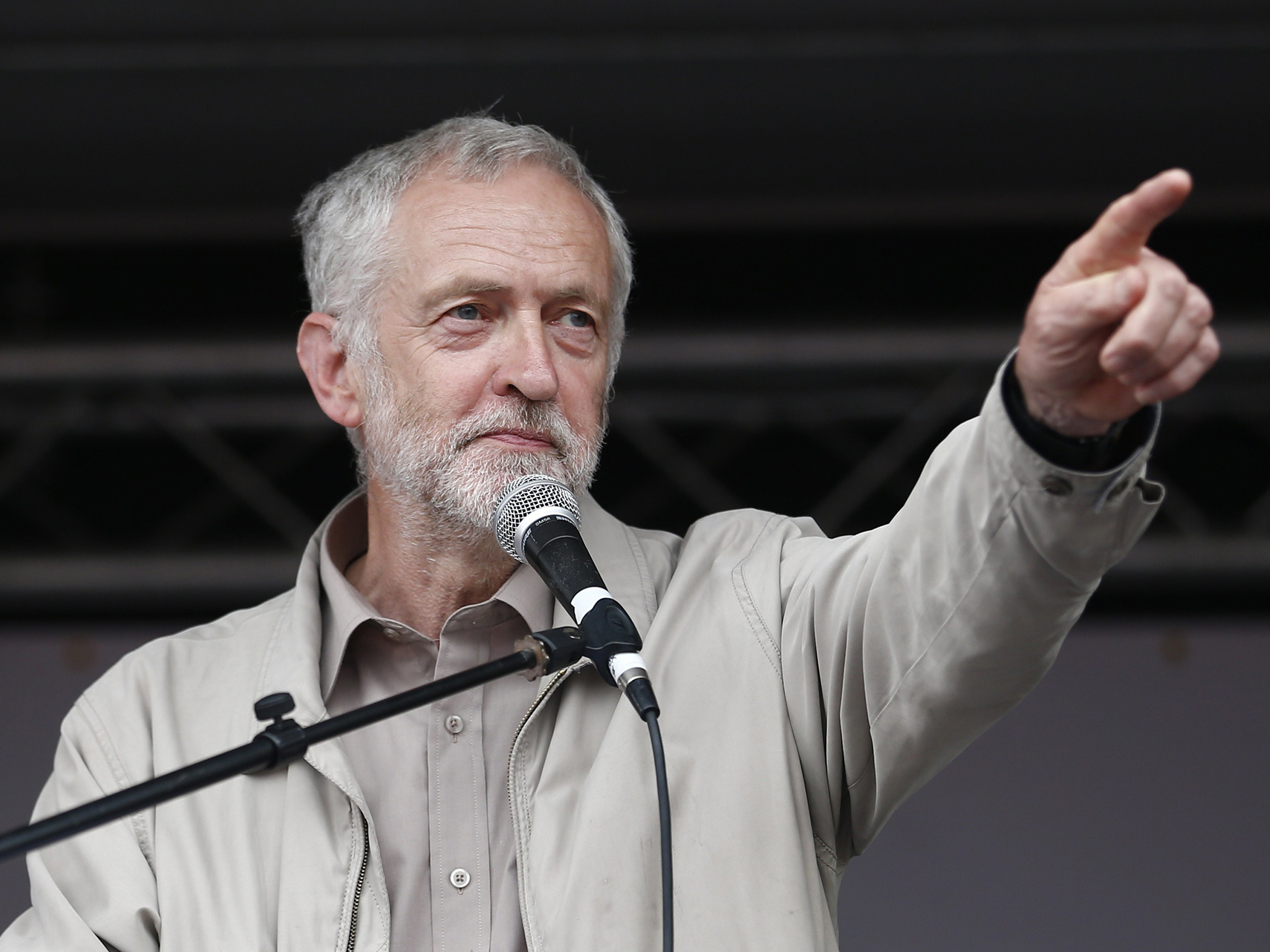
In modern times it is possible that broadcast media might cover, for example, a large election rally addressed by Jeremy Corbyn- for example the 20,000 or so music fans he spoke to at Tranmere football club in late May- but as Star readers will know, mostly it will not.
The broadcast media still follows the same rules of the political game defined by those who attempted to control the mass platform after 1848. They will report what a politician says to an invited audience in a controlled space. Reporting crowds remains rare.
The genius of the Corbyn campaign, ignored by the Tories, was to understand that social media offers a way out of this.
So many will have seen pictures and short video clips of the Labour leader addressing crowds around the country during the Election campaign.
They will not have seen it of course on TV but on Twitter and Facebook.
It was the ability to combine old and new style campaigning that allowed Labour’s message to have the huge impact it did have on June 8th. The Tories werent even on the pitch.