Articles

Beer & the General Election: time to vote Labour

In Uncategorized on June 6, 2017 by kmflett

Beer & the General Election
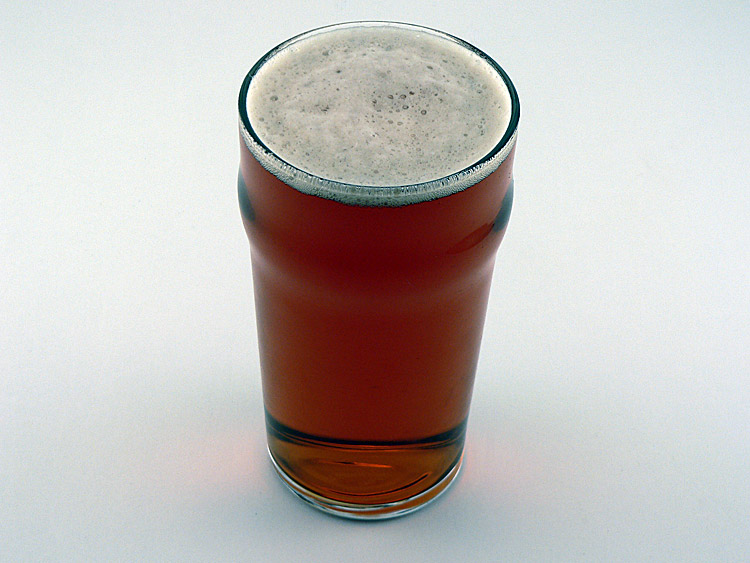
The days are long past, one hopes, when local Election candidates on Election days paid for free drink for those who voted for them- not least because the secret ballot prevents oversight of how people vote.

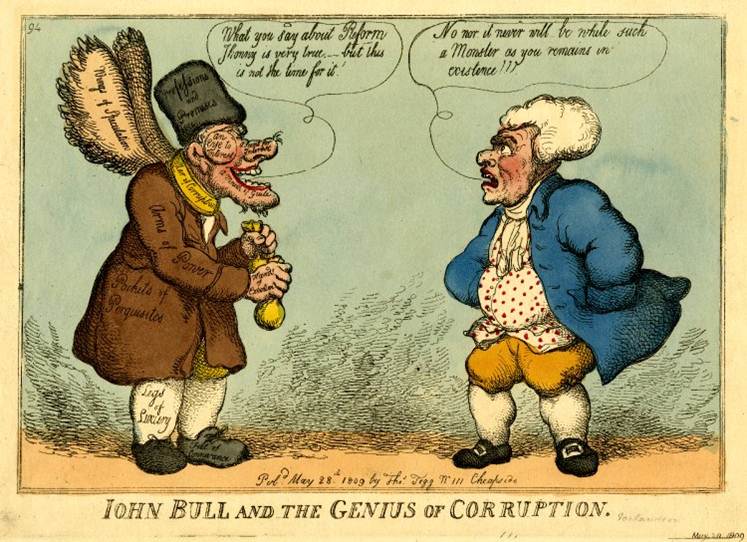
That said beer and Elections have a long history. In the 1750s the cartoonist Hogarth did a series of election related paintings, the Humours, which underlined the corruption present in pre-reform elections. Drink played a major part. Even after the 1832 Reform Act elections took place over several days and bribes with beer were commonplace.

The major British brewers, known as the Beerage, have been traditionally supporters of the Tory Party. The Liberals, by contrast, became the party of temperance particularly after Gladstone’s 1872 Licensing Act, when Liberals with beer interests largely departed for the Tories. In some places the now Liberal Democrats remain a party who take a dim view of alcohol even if mostly falling short of expressing temperance sentiments.

Of course in the modern world matters are not so simple. Very large UK brewers are often part of international groups who have no central interest in supporting particular political parties in a specific country. One thinks of the world brewing giant ABInBev whose recent record takeover of the South African owned brewer SA Miller, itself a global concern, took place on the London Stock Exchange. To this extent the concept of a Beerage matters less than it did.

Secondly donations to political parties have to be declared in a Companies accounts and while a hefty donation to the Tory Party may look fine when the Tories are in Office it is less helpful on the occasions when they are not.

Even so a list of business people who urged people to vote Tory in the 2015 General Election still reveals numbers of the usual suspects. These included:

Rooney Anand, CEO, Greene King

Ralph Findlay, CEO, Marstons

Andy Harrison, CEO Whitbread

Jonathan Neame CEO, Shepherd Neame

Michael Turner, Chairman, Fullers

Whitbread of course no longer brew but clearly old habits die hard. Individual support does not imply that the brewers themselves donate money to the Tories of course, and while this does occur the amounts appear to be relatively limited in recent times.

The wider issue is the link between a conservative working class culture, drink, pubs and, quite often, a liking for sporting events and betting on them. It suggested in Victorian times a way of life where there was little time for the trade union or left-wing meeting or protest, and one which accepts that the status quo is a reasonably congenial place in which to dwell.

The arrival of trade union organisation and some control over the length of the working day has provided for the possibility of beer, sport and politics all being pursued and again the old divisions are less significant.

In the Victorian  period into the early twentieth century however organised labour and much of the left were strong supporters of at least a degree of temperance. There were attempts to divorce cultural pursuits such as the theatre and music hall from drink and efforts to control the drink trade and particularly pubs. There was a strong campaign for municipally owned pubs and indeed at the by  the end of the First World War a State owned brewery was set up in Carlisle, a centre of arms manufacture, with tied pubs to control how much workers drank.

Elections in the twenty first century are not however about bribing people with beer or centrally about advancing the interests of Tory brewers, so what is the relationship between beer and how people people will vote on June 8th?

Labour have promised action on pubs and in particular closures if they are elected. UKIP have criticised this but spending all day in the pub, as many of their supporters do, does not mean you know about the politics and ownership of them.

The numbers of small and micro-brewers continues to grow apace, helped by a tax advantage for those who produce relatively small amounts of beer. This change was actually brought in by Labour giving an interesting modern twist to the relationship between political parties and brewing.

However most recently medium sized regional brewers, but also including some of the larger ‘craft’ brewers who are now above the limit for the tax reduction have pressed for a rebalancing of tax so that they also have some advantage against the multi-national brewing giants like ABInBev.

Meanwhile the Campaign for Real Ale has also produced an Election Manifesto which it is pushing candidates to sign up to. It’s important because it means that in the context of an Election there is campaigning input not just from brewers but those who drink beer as well.

One issue that is perhaps of particular interest in the current Election is what the political profile of those who drink craft beer is (for definitions of craft beer see the internet). The Manchester brewer Cloudwater did a poll on this recently and the assumption tends to be that most of those who identify as craft drinkers are of a leftwards political inclination. Again this is very broad so I’d only define that as ‘not Tory’.

My view is that most craft beer drinkers who take a public position are not likely to be Tories (and the same possibly for craft brewers). Yet anyone can order a drink at a bar and so craft beer drinkers must in fact includes Tories. And, by the way, why not?

Surely one of the key things about beer, and drinking it, is that it is a sociable activity where people can discuss life, the universe and everything in a friendly way.

That of course is not the same as defending and improving the pub, the ability of brewers to brew good beer and sell it at sensible prices and indeed ensuring that the employment conditions of those who work in the licensed trade include things like the living wage. When it comes to beer these are ‘what side are you on?’ questions.

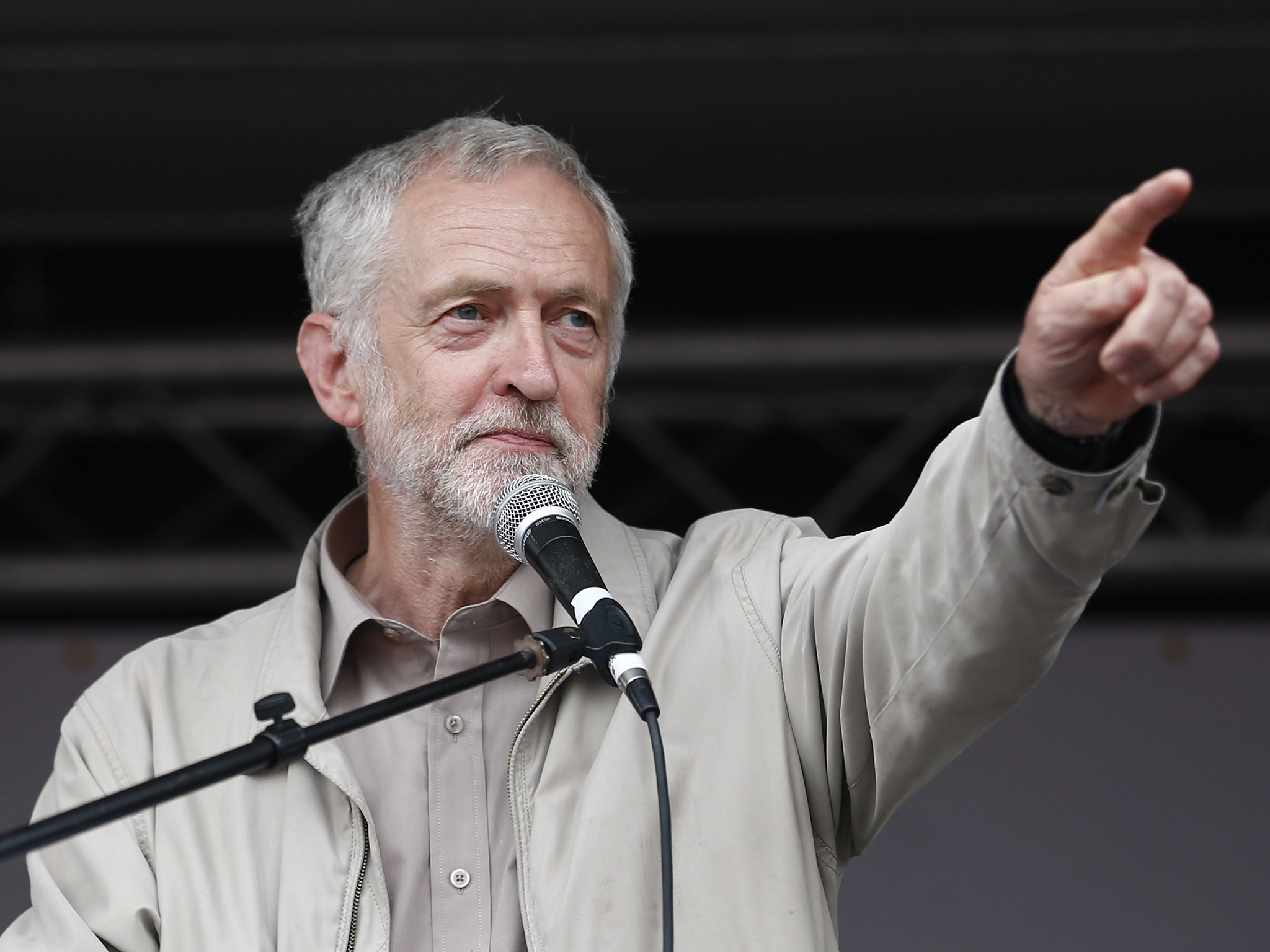
What does all that add up to on June 8th 2017? Labour leader Jeremy Corbyn doesn’t drink, perhaps just as well given his punishing schedule as leader, but I know he takes a keen interest in keeping community pubs open, very much in line with some socialist views going back to the late nineteenth century.

That aside your vote could go to the historic party of the Beerage, the Tories, the historic party of temperance, the LibDems, or to Labour which champions the interests of those who work in the industry and those who enjoy a beer on the drinking side of the bar too.

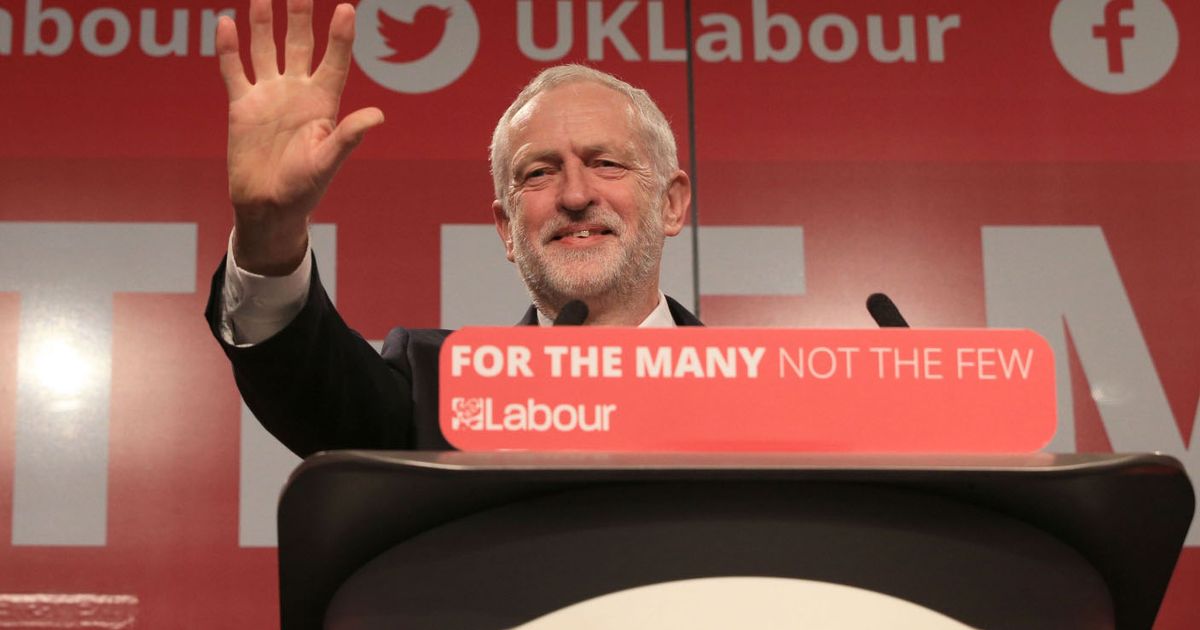
So voting Labour makes sense for those who like beer and let’s hope we can raise a glass of good beer to Jeremy Corbyn as PM in the early hours of June 9th

This post appears on the Culture Matters site:

http://www.culturematters.org.uk/index.php/culture/dining/item/2533-beer-and-the-general-election


Articles

Theresa May, terrorism & E.P. Thompson’s ‘Freeborn Englishman’

In Uncategorized on June 5, 2017 by kmflett

Theresa May, terrorism & the Freeborn Englishman

__________________________________________________________________________________

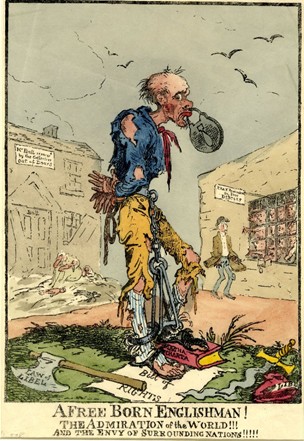
EP Thompson in the Making of the English Working Class discussed the ‘Freeborn Englishman’ the archetypal British patriot. He is referring to the early nineteenth century and the ‘man’ is related to historical evidence and documentation. Even so work on the ‘Freeborn Englishwoman’ is long overdue.

Thompson makes the point that the English patriot can be on the political left or the political right depending on the specific times and context.

He identifies some key characteristics. The first he notes is ‘freedom from foreign domination’ which in a modern context was a feature of the  EU Referendum campaign, whether genuinely so or not.

Many others relate not to economic or social liberty but political liberty. These included, freedom from arbitrary arrest, trial by jury, equality before the law and freedom from the home being arbitrarily entered by the authorities.

Thompson also indicated the notion of some specific political freedoms around elections, free thought and speech and Parliamentary opposition.

The bottom line however was what Thompson called a ‘moral consensus’ of limits beyond which the patriotic Englishman would not be pushed. In short the Freeborn Englishman wanted the right to be ‘left alone’.

Theresa May’s statement on terrorism following the dreadful attack at London Bridge shifted the emphasis from people who are actively involved in planning an attack to a wider layer of people who may, for example, have strong views about British foreign policy, but have no idea of taking that further than making a political point.

The plan is in short not to leave people alone, free to speak out.

As The Guardian amongst others has underlined criminalising dissent hinders rather than helps the vital effort to stop terrorist attacks.

Articles

Key Election Issue: Will Jeremy Corbyn’s beard increase the Labour vote?

In Uncategorized on June 4, 2017 by kmflett

Beard Liberation Front

4th June

Will Jeremy Corbyn’s beard increase the Labour vote?


The Beard Liberation Front, the informal network of beard wearers, has said that it thinks it is likely that Jeremy Corbyn’s beard is a vote winner for Labour.

The last hirsute Prime Minister was Lord Salisbury in 1902 and the campaigners say that many decades of pogonophobia since have seen politicians with facial hair labelled as ‘untrustworthy’.

However the Labour Leader has won the Parliamentary Beard of the Year poll a record seven times and it is though that his beard adds gravitas to his political statements.

BLF Organiser Keith Flett said, our informal soundings suggest that Jeremy Corbyn’s beard means that in 2017 he is seen as a more authentic figure than the identikit clean shaven man in suit. We’re testing this now with an on-line poll.


Articles

The Ambridge Socialist: Justin v the People of Ambridge

In Uncategorized on June 4, 2017 by kmflett

The Ambridge Socialist
65 years of the class struggle in Borsetshire
June 4th

Justin v The People of Ambridge

Justin Elliott looks set to move for total control of Ambridge in the near future.

His plans to set up a piggery at Berrow Farm have leaked, to the extent that partner in crime Brian has failed to pay for a round he ordered at The Bull. That is serious. It also means his plans to will be opposed by local organic pig fans who are far from few in number

Kirsty has already called Justin out at a Parish Council meeting but he has claimed that his actions are in the greater interests of Ambridge and that anyway all the slurry will disappear into the diabolical converter (probably along with those who oppose his schemes on the quiet).

At the same time Justin has offered Pat and Tony £1m for a field on their farm- subject to OPP- so that a small upmarket housing estate can be built. Justin feels that Ambridge is too full of rural idiots, yokels and of course Archers and plans some social engineering. How far will Pat and Tony’s principles take them? We shall see.

Ambridge Socialist poll: which side are you on? Justin or the People of Ambridge

Brexit
BBC reports from Ambridge never mention party politics even in the run up to a General Election (RPA and all that) but Brexit is a matter for all parties so this week David and Ruth have gone ahead with Farm Sunday opining that Brookfield will go on whatever Brexit brings. Meanwhile Brexiteer Adam is struggling with on-shored workers who there to do the seasonal fruit picking.

Single Wicket
Chris has won but women players made a strong showing this year. They are the future of Ambridge cricket now.

Articles

Ambridge Socialist poll results: Jennifer & Jolene most likely to recall Sgt Pepper, followed by Joe Grundy

In Uncategorized on June 4, 2017 by kmflett

The Ambridge Socialist
Ambridge and Sergeant Pepper

4th June

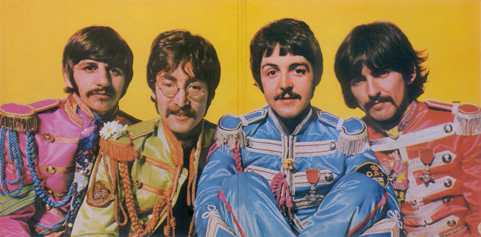
When the Beatles Sergeant Pepper was first released on June 1st 1967 there were different times in Ambridge.

Here is a summary of Ambridge in 1967 written by Keri Davies, hirsute Archers scriptwriter

1967
Jennifer’s pregnancy shocked the Archer family. Jack was all for throwing her out, but more compassionate counsels – including Dan’s – prevailed.

Jennifer named her baby boy Adam, and escaped village gossip by moving to Bristol. She refused to name the father, but Adam’s shock of red hair suggested it might be Brookfield cowman Paddy Redmond.

Nelson Gabriel was reported missing in a plane crash, but fingerprints on a whisky bottle implicated him in a robbery on the Borchester mail van.

They were not grooving to Lucy in the Sky With Diamonds in the Bull in June 1967 or if they were the BBC certainly wasnt reporting it, but who is most likely to recall Sgt Pepper’s 50th anniversary now?

The Ambridge Socialist poll found that readers thought that Jennifer Aldridge and Jolene Rogers were most likely to be found listening to a Day in the Life this week, followed by Joe Grundy who may have been reminiscing about ‘When I’m 64’

Articles

Haringey trade unionists call for solidarity with Crouch End Picturehouse strikers on 3rd June

In Uncategorized on June 2, 2017 by kmflett

Haringey Trades Council
Media Release
2nd June
Contact: Keith Flett Secretary 07803 167266

Haringey trade unionists call for solidarity with Crouch End Picturehouse strikers

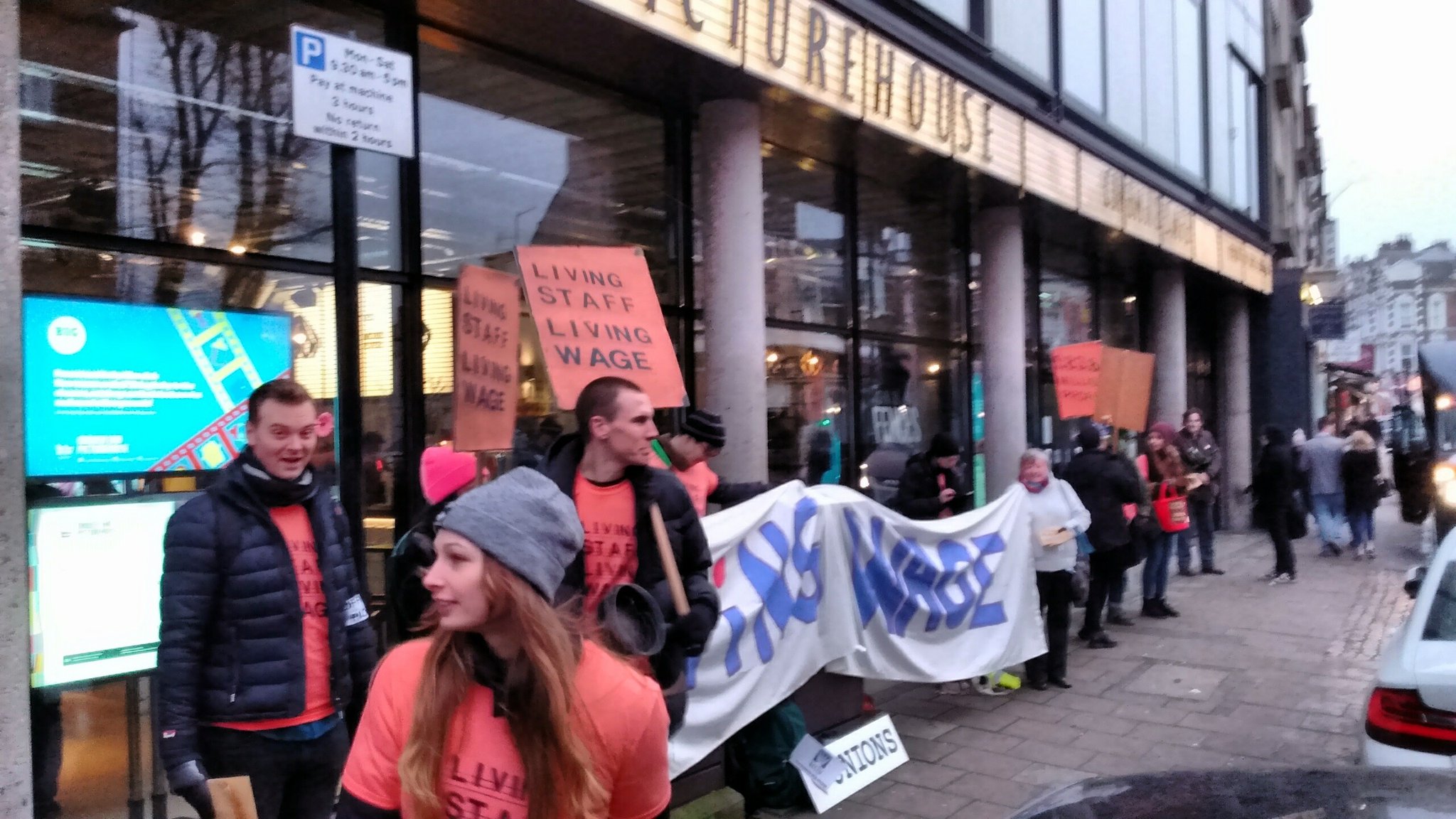
Haringey Trades Council, the local section of the TUC, has called for solidarity with Crouch End Picturehouse workers, members of the BECTU trade union, who are set to take strike action in support of their long running claim for the London Living Wage and union recognition, on Saturday and Sunday.

The Picturehouse workers will be staging a protest rally in Tottenham Lane, Crouch End, as part of the Living Wage campaign on Saturday from 4pm before joining other workers also on strike at London Picturehouse cinemas.

The full details are here:

https://www.bectu.org.uk/news/2719

It became clear on Friday that Picturehouse managers had suspended some union reps at the Ritzy cinema in Brixton (where BECTU is recognised) and Hackney ahead of wage negotiations for the Ritzy.

BECTU General Secretary Gerry Morrissey has described this as an attempt to break the union.

Haringey TUC Secretary Keith Flett said, we know there is big Haringey support for the Picturehouse workers and we hope people will stop by in Crouch End to show solidarity for the Living Wage campaign. With an Election next week it is something Labour has focused on and the Tories, unsurprisingly have not.

Articles

The Conservatives & William Cobbett

In Uncategorized on June 2, 2017 by kmflett

The Conservatives and William Cobbett

The decision by the CPS to charge Tory candidate Craig Mackinlay with offences related to expenditure in the 2015 Election is now a matter for due legal process and certainly not for comment on a blog.

The wider issues around the 2015 expenses issue remain however, particularly as it is clear that the Tory Party in 2017 is again receiving large donations for its Election campaign. One hopes lessons from 2015 have been learnt and they are being properly accounted for.

There remains however a general feeling that Elections such as the current one do not take place on a ‘level playing field’ and that while strict rules are on place for how Elections are carried out not everyone is concerned to stick to them that closely.

There is a sense here of the Cobbettian…

William Cobbett (1763-1835) was a farmer, journalist and radical MP who relentlessly attacked the ‘Old Corruption’ of British society before the 1832 Reform Act. This was a world where people held key and well-paid posts because of who they were or who they knew. Quite often the actual work was done by someone else.

Cobbett’s attacks on ‘The Thing’ were by no means straightforward to the modern world. He was for example anti-semitic and often criticised ‘pensioners’ by which he meant those in receipt of a living from the State even though they did and had done little or no work for it.

EP Thompson encapsulated the Cobbettian worldview in the Making of the English Working Class. Describing Cobbett’s intervention in the 1806 election for the Westminster seat in the unreformed Parliament, he noted how Cobbett summed up the opponents of the radical candidate:

‘relations of placemen and pensioners’, ‘tax-gatherers, magistrates, policemen and dependent clergy’, ‘play-actors, scene-shifters, candle-snuffers, and persons following.. immoral callings’.

The irony was the Cobbett, a farmer, was in many of a radical Tory outlook. He just couldn’t stand the political stench associated with the pre-1832 Tory Party and said so.

June 8th gives electors the chance to sweep away this kind of political place holding. It’s worth noting that Jeremy Corbyn’s expenses claims are invariably frugal as befits a North London beard wearer and allotment holder.

Articles

Should the law prevent ‘beard bans’ at work?

In Uncategorized on June 2, 2017 by kmflett

Beard Liberation Front

2nd June

Should the law prevent ‘beard bans’ at work?

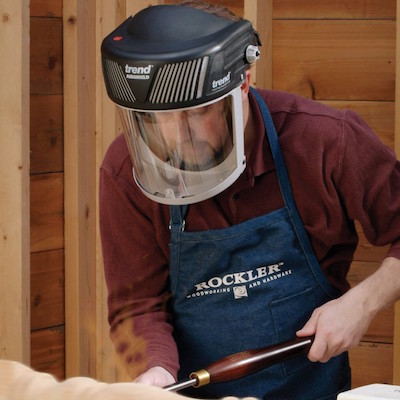
Construction company Mears have banned beards at work due, they claim, to safety related issues.

In reality the issue appears to be cost as Mears want to use a low cost dust mask rather more expensive ones that can be worn with beards.

In 2017 can it be right for employer to be able to diktat how people dress and appear at work, from beards to skirts (not trousers) and high heels for women?

The Beard Liberation Front is calling for a change to employment laws to prevent employers from ordering people to dress or appear in a certain way in the workplace, provided of course that they appear smartly dressed in customer facing roles and appropriately dressed for the job in hand. What is your view?

Articles

Trade Union membership falls: what is to be done?

In Uncategorized on June 2, 2017 by kmflett

Trade Union membership falls: what is to be done?

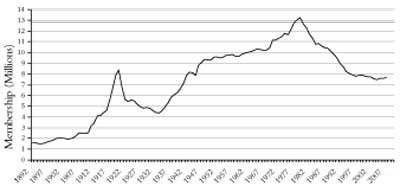
The latest Government figures for trade union membership, covering 2016, show a decline of several years of stability and slight increase. There are now 6.2m workers in UK trade unions, which is the lowest figure for a good while (but not ever as some excitable reports suggest).

https://www.gov.uk/government/statistics/trade-union-statistics-2016

Membership was 13m+ when I first joined a trade union in the late 1970s.

The decline in 2016 is mostly down to job cuts in the public sector where trade unionism is stronger but there has also been a slight drop in the private sector.

Given the publicity that has arisen from unions efforts to address things like the zero hours culture in some areas of employment and the Gig economy- essentially short-term contracts- it is perhaps surprising that there is a decline.

The question is, what is to be done?

I have an interest here as a (now) veteran trade union officer representing managers and professionals in the Square Mile of the City of London (and lots of other places but my office is in the City a short walk from Stock Exchange HQ).

There have been of course a number of suggestions. The point is made that trade union activists tend to be male, getting on a bit and white. Indeed so. But a study of other voluntary organisations will find, in many cases, quite a similar profile. It is not that younger people don’t want to be active- anyone on the anti-Trump protests earlier this year would realise that- but given the pressures of work and daily life, the idea of making a commitment to long term activism seems to be diminished across society at the moment.

So there is a question about the nature of activism.

Another suggestion is that unions need to innovate. Indeed they do, and many have in fact done, although it’s a continuous process. As anyone who has the misfortune to follow me on twitter or Facebook (etc) will know I’m very active in these areas. They are a useful way of publicising things but less good I think at organising and recruitment in union terms.

In reality the work of getting people to join unions still relies on the traditional method of asking people to join in workplaces and persuading them to do so.

Individual aggregation of members will not decisively address that 6.2m figure. Its hard work and it takes time and while returns can be good it will be at best in the tens and twenties in most cases.

As often in labour history it will take wider changes to shift matters.

Think for example of the increase in Labour Party membership after Jeremy Corbyn became leader. What ever you think of the hirsute one, it was a trigger for large numbers to join of their own accord.

In employment that could of course mean changes in employment law which make it obviously more attractive for people to join. We may wait a while..

Alternatively it can mean unions demonstrating their relevance by winning battles and striking agreements with employers to protect or improve conditions in a workplace, giving the union a clear USP and non-members a reason to sign up. It’s quite traditional but nothing works better than effective workplace organisation. That doesn’t need to be achieved by old white blokes, and often is not. The innovation needed there is for union Head Offices to recognise that the future of the union movement may not be organised and led by people that look similar to themselves (or indeed myself, although I have a beard of course).

Keith Flett is Secretary of Haringey TUC and an activist in Prospect/BECTU. These are my own views


Articles

Despite Jeremy Corbyn, Mears beard ban shows pogonophobia still exists

In Uncategorized on June 2, 2017 by kmflett

Beard Liberation Front

Media Release

2nd June. Contact Keith Flett 07803 167266

Campaigners demand action on beard bans

Pogonophobes watch out

The Beard Liberation Front, the informal network of beard wearers, has said that following a ban on employees wearing beards by construction company Mears, it is to take action against pogonophobia in the workplace.

The campaigners say that Mears beard ban appears to be because they want the cheapest dust masks available rather than ones that will effectively protect workers whether they are clean shaven or hirsute.

The BLF is calling for a change in the law to stop employers from dictating how their employees dress and appear, and to give workers a reasonable right to resist such diktats.

BLF Organiser Keith Flett said, there is an argument that with beards in fashion, discrimination is no longer an issue. Mears beard ban underlines that it is. We hope veteran beard wearer and BLF supporter Jeremy Corbyn will take action if, as we hope, he is Prime Minister on 9th June