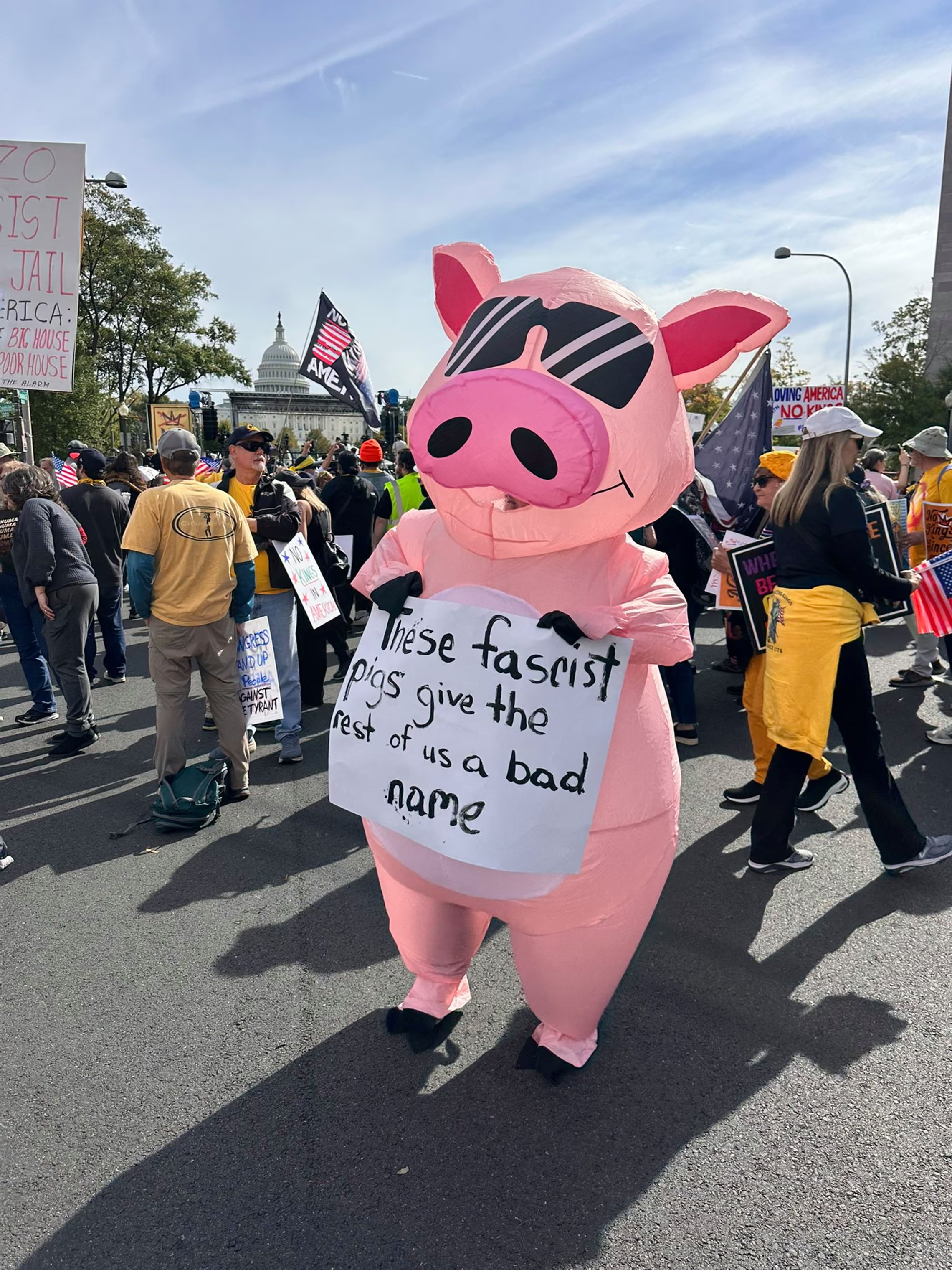
Millions protested in the US on 18th October in 2,700 cities and towns against Trump’s authoritarian, billionaire first politics and the militarisation of US cities.
Taking a cue from Portland protests some were inspired by Operation Inflation, to protest dressed as cartoon characters.
There are echoes of the 1968 protests in France which called for All Power to the Imagination. Trump’s focus on image and brand is being effectively opposed and out classed here.
The Beard Liberation Front, the informal network of beard wearers, has said that the sacking of Ange Postecoglou at manager of Nottingham Forest reveals a failure to grasp how beard power works in football management.
Postecoglou was appointed after another hirsute manager Nuno was sacked after just three games in the 2025/6 season. It must be presumed that the owner Marinakis, himself a beard wearer, does not understand that football management beard power and its impact varies from manager to manager.
BLF Organiser Keith Flett said, Marinakis thought any beard would do, and in doing so failed to understand how Postecoglou’s beard power works
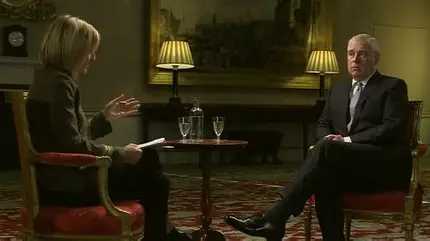
Andrew Windsor Mountbatten & the British Tradition of anti-Monarchism
The latest in a long series of issue to face the now ex-Prince Andrew and the British monarchy has seen King Charlie finally acting to get rid of his remaining Royal titles and honours. It is the latest in an equally long running series of crisis for the House of Windsor
A tradition of republicanism in Britain, whether defined on the left or the right, is difficult to pin down and mostly very much a minority trend. However sentiments of anti-monarchism have often been popular and sometimes part of the political mainstream.
We need only think back to the death of Princess Diana in 1997 to see all of these trends very much in the modern political mix.
Yet historically Britain- or more strictly given the date, England- can claim to have been first in the anti-monarchy stakes. It was after in Whitehall on 30th January 1649 that King Charles 1st had his head cut off and a Commonwealth under Cromwell was created. It lasted only to the restoration in 1660 and the work of modernisation had several more turning points from the Glorious Revolution of 1688 to something which almost was a revolution, the 1832 Great Reform Act.
It is difficult to sustain an argument that a genuine anti-monarchist tradition can be directly traced back to 1649, although if one looks at the efforts to ignore or play down the history of Cromwell and the New Model Army in many places in England- particularly churches and castles-it is obvious that the ruling class have never quite forgotten the significance of that day. Its equivalent in France is a national holiday. Not here.
Anti-monarchism was certainly alive in the early nineteenth century with the Queen Caroline affair and the wider traditions of republicanism was given a huge boost by the revolutions of 1848 across Europe.
It was this that sparked the left Chartist leader George Julian Harney to start his Red Republican journal.
The historian Antony Taylor makes the point that while it is often difficult historically to find a coherent and unified republican tradition the anti-monarchist movement is better defined and more popular.
In the anti-monarchist mind it was not the principle of a monarchy as such that was the problem but the behaviour of individual monarchs, how much they cost, and the whole aristocratic edifice of wealth and privilege that went with them.
In other words it was less an overt programme for political change and more a class movement, seeing the monarchy as a symbol of an unequal and divided society.
The popular critique of monarchy was an extension to the hatred of a society based on patronage and favour, the very real practice of Old Corruption.
As a mobilising political programme this had real strength long after the 1832 Reform Act and arguably up to the reform of the House of Lords in 1911 at the least. A focus on opposition to the aristocracy, including in practice the monarchy, united Fabian socialists and popular Liberals.
Reynolds’s the popular mass circulation radical working-class paper of the second half of the nineteenth century- it sold 350,000 copies a week in the 1870s- had anti-monarchism and stories relating to scandals about the Royals as a cornerstone of both its Editorial policy and its success in attracting a huge readership.
Papers more directly associated with the Labour tradition as the century drew to a close were more audacious and more politically direct still. The Clarion published, and gloried, in lists of aristocrats injured in hunting accidents.
Certainly historically anti-monarchism has been a significant feature of the British political landscape and Andrew may, rightly, spark a revival
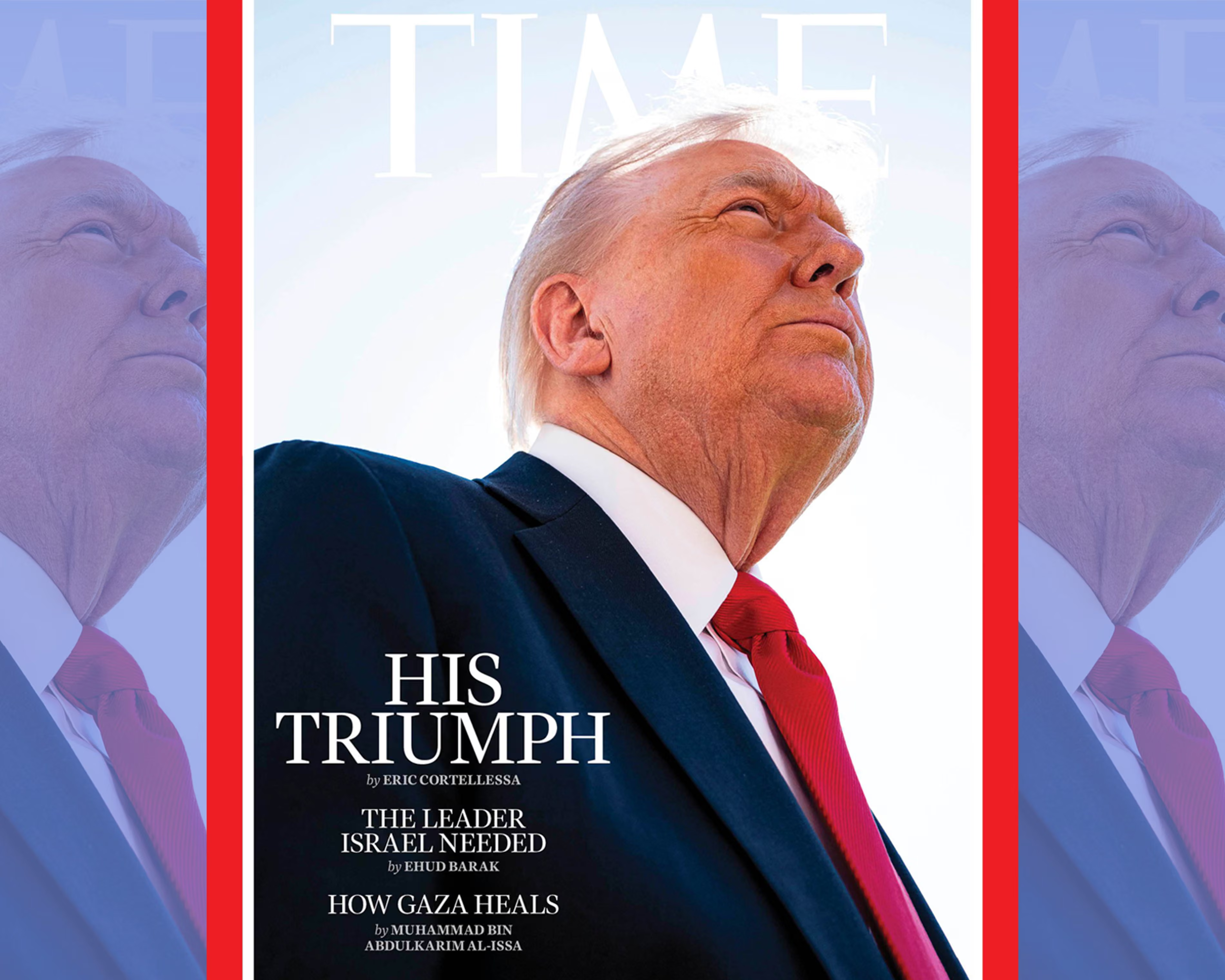
Trump, who is in the business of image and brand, has complained about this front page of Time magazine (he has appeared previously in various guises). He regards it as unflattering because it points to what has long been obvious. He is follicly challenged. Given his age it could be taken as a sign of gravitas except that’s not really in the Trump playbook.
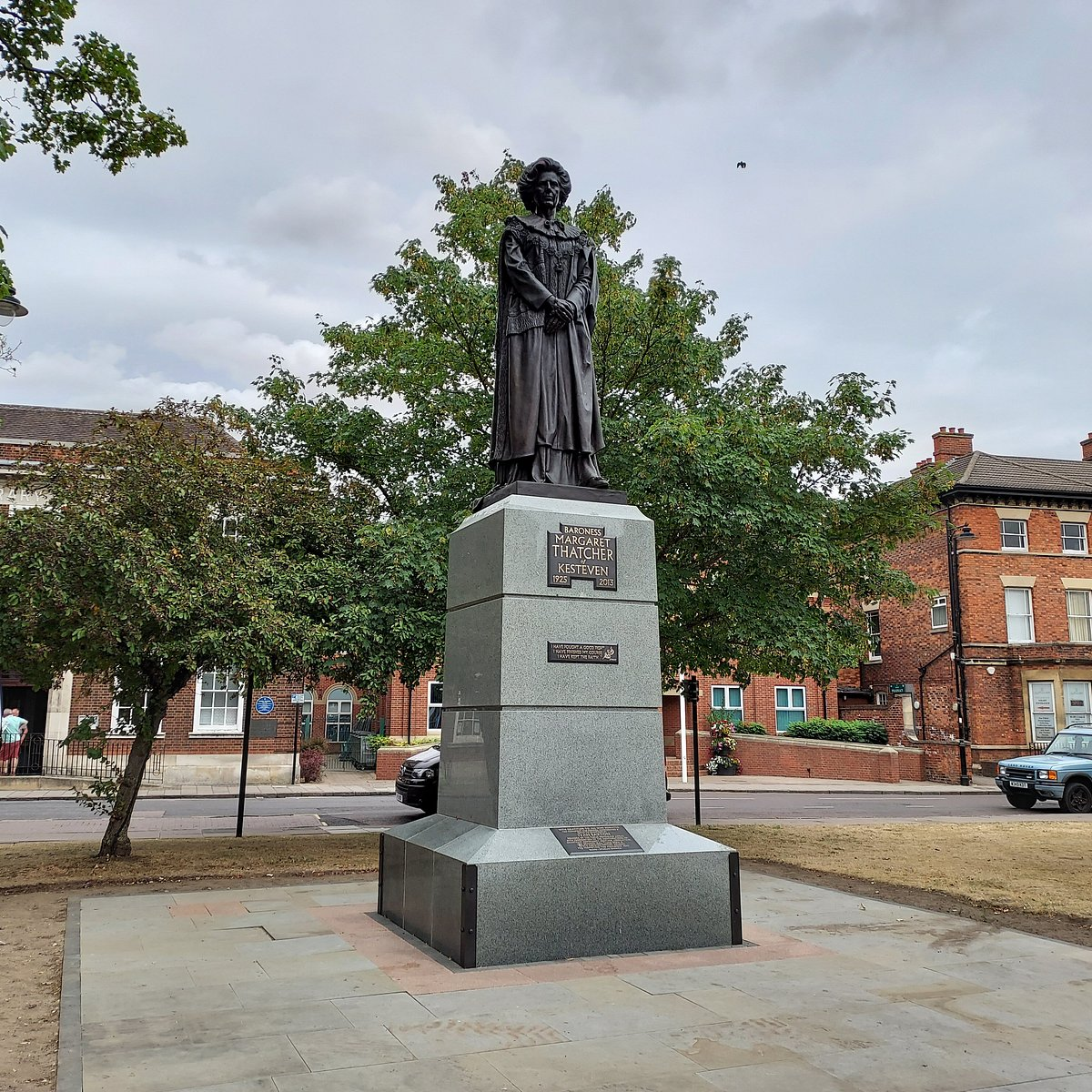
Her contribution to a changing set of policies, evolving under the pressure of circumstances rather than planned, was a simple faith in the values of Alderman Thatcher, an iron will, and an almost Bolshevik conviction that political adversaries (both ‘socialism’ and the old ruling class) were public enemies. Old Stalin-watchers will also be familiar with the conviction that central state power must be increased as a preliminary to the withering away of the state – in this instance, through the universal triumph of the market.
This was a new note in British politics, which is why Thatcher’s fall in those dramatic November days of 1990 was, and was felt to be, more like a British mini-version of the Ninth Thermidor than a mere prime ministerial resignation. But what difference did Thatcher make? Negatively, probably quite a lot, even if some of the more dangerous and irresponsible changes of the Eighties can be reversed – notably the excessive centralisation of state power and state direction, and the downgrading or destruction of lesser collective autonomies. The atmosphere of Thatcherism, that conglomerate of egoism, political servility and moral blindness, will not be so easily eliminated. Perhaps she only accelerated the emergence of tendencies latent in our country, once a model of civic and civil society, but accelerate it she did.
Positively, she made little difference. The British economy and British power are much as before internationally, and their unsolved problems remain the same. Even without Thatcher, Britain in the Eighties would almost certainly have followed the general European trend to economic liberalism, though in a less frankly anti-social form and with less self-delusion. Even electorally, Thatcher’s achievement was, at most, to stabilise Conservative support at a level far below pre-1979 Tory expectations. Her power rested not on winning supporters but on a divided opposition and the peculiarities of our electoral system.
Eric Hobsbawm London Review of Books 23rd May 1991
Review of A Question of Leadership: Gladstone to Thatcher by Peter Clarke. Hamish Hamilton, 334 pp., £17.99, April 1991, 0 241 13005 0
16th October Super Council By-Election Thursday (but not for Reform)
There were ten Council By-Elections in 16th October (detail below) in England and Wales. Seven were won by the LibDems, one by the Tories, one by Reform and one by an Indy (Ayrshire).
The results can be found on the BlueSky accounts of Britain Elects and Election Maps.
The interesting point is that the results were counter to the election narrative the media has been spinning. So mostly it said nothing. GB News did not post ‘Super Thursday By-Election massive blow to Farage’
Whether the seats the LibDems won were mostly in favourable territory is quite possible but previously Reform has achieved surprising results even in such circumstances.
I’m not suggesting that Reform’s political fortunes are on the turn (though with the Gill story they should be). Rather I’m pointing to really useful knowledge that is mostly missing from the media coverage
Starmer finds some chants he approves of. The politics of culture wars
Starmer has been going on again about chants on Palestine demonstrations that he does not agree with. He has been vague about what the chants might be, and even when he finds one (about the intifada) he obviously can’t accept that this is a politically disputed term and he is taking sides.
He has also managed to take sides when it comes to chants he does think are ok. These include anti-Arab rants by the supporters of Israeli football team Maccabi Tel Aviv. He believes that they do have the right to chant such slogans on the streets of Birmingham next month when they play Aston Villa.
Perhaps some thought we’d get rid of culture wars when the Tories departed office. They manufactured them of course because they had nothing else. Starmer is now it appears on the same page.
He now wants the police to identify those who have been chanting things he does not like (he does not seem to know who they might be) and by inference these chanters have somehow been given cover by the hundreds of thousands who march for the Palestinians.
The aim is to get the Palestinian solidarity movement to police itself in a way that suits Starmer. Thankfully the PSC aren’t playing.
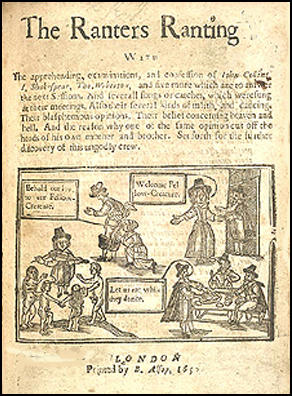
There are historical parallels. The Ranters were a sect at the start of the Commonwealth period 1649-51 who said things that were not officially approved of. Except as E P Thompson underlined (1987) the Ranters did not exist. They were invented to attack radical views in the post-Civil War period.
He noted
To ‘rant’ was a term of insult, and ‘Ranter’ was, like ‘loony Left’, a term invented by opponents
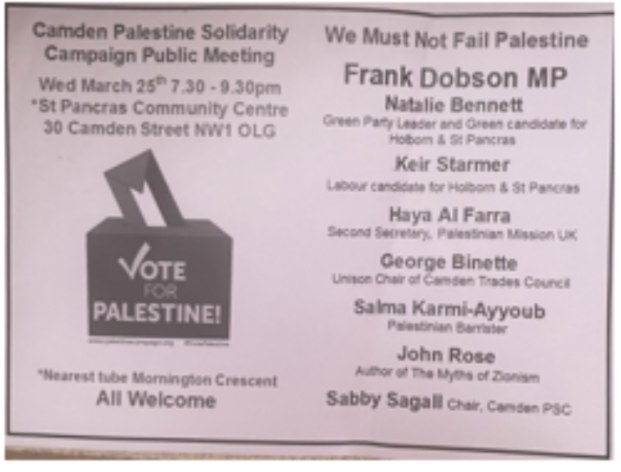
Starmer became the Labour candidate for Holborn and St Pancras in December 2014 and was elected as an MP in May 2015 at the General Election of that year, so it is in that short window in March 2015, ten years ago.
I post from time to time about the Society of the Spectacle, a book by Guy DeBord and also the key text of the Situationists. Their focus, in Marxist terms, is on commodity fetishism. Everything is a commodity, a brand to sold and bought. Advertising and social media multiply the experience in 2025.
In that context I note that the 2025 Pigs and Blankets Season has opened unusually early. It would not normally commence until after Halloween. A related benchmark is the arrival of the Greggs Festive Bake.
Pigs in blankets, originally cocktail sausage wrapped in bacon, has expanded (not perhaps always happily) across many variants in recent times- even extending to one for dogs (who might think would be quite happy with the original).
News of other sightings welcome. In related Christmas news I am told that the Cheese Footballs season has also opened although I have yet to see any