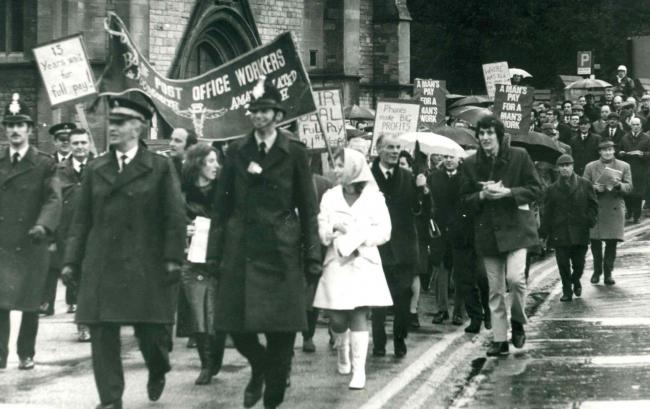
Its 50 years since the first national strike by postal workers (& telephone operators- STD was not fully implemented until 1979). The strike for a 13% wage increase lasted for 7 weeks. Strike pay was not paid (except for hardship) and when funds ran low the strike was called off and arbitration entered into.
It was a glorious episode with a less than glorious outcome but it marked a significant moment not perhaps appreciated in a period like now when strikes are very low. It marked a time when a significant section of (then) public sector workers took strike action for the first time. It would certainly not be the last.
In 1971 a tradition was started carried on by the CWU today.
The late Paul Foot wrote a detailed analysis (& critique) of the strike at the time:
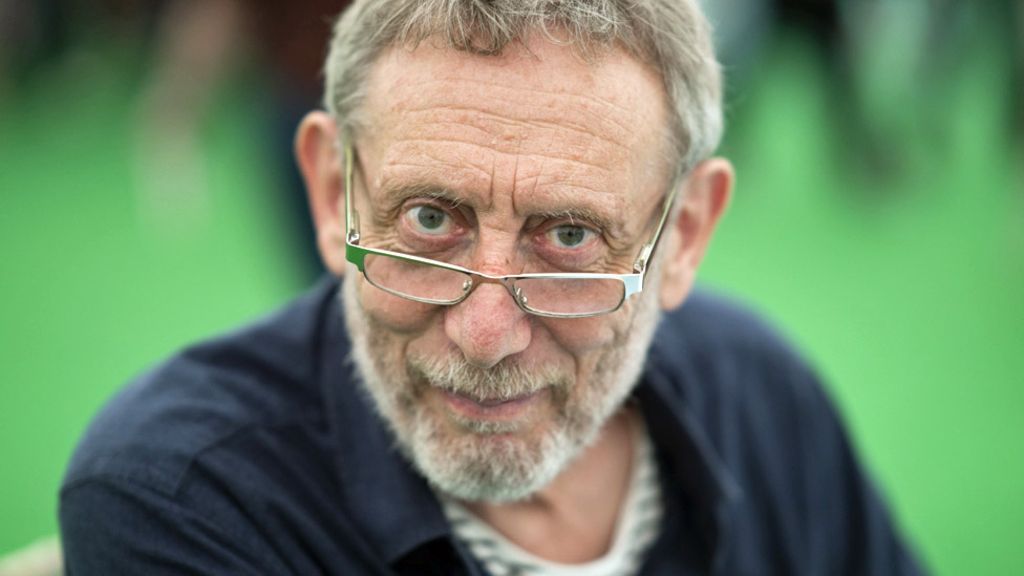
Michael Rosen takes early lead in 2nd ‘Trim-Off’ vote for Beard of Winter
The Beard Liberation Front, the informal network of beard wearers, has said that author Michael Rosen has taken an early lead in the 2nd ‘Trim-Off’ poll for Beard of Winter. Cricket broadcaster Daniel Norcross lies in second place.
In the first ‘Trim-Off’ vote that closed on Wednesday Wikipedia founder Jimmy Wales and actor Brian Blessed shaved Arnie Schwarzenegger and Tim Farron. They go through to a final Beard Off vote next week
The second Trim Off vote closes at midnight on Sunday 24th January
It is the first of four seasonal awards that lead to the Beard of the Year Award in December 2021.
The Beard of Winter focuses both on fuller organic beards, suitable for winter weather, but also on beards that have made an early New Year impact in the public eye.
BLF Organiser Keith Flett said, Michael Rosen’s beard was Award winning in 2020. It remains to be seen how it will get on in 2021 but its clearly an early contender.
The poll closes on 30th January 2021
The new blended Twitter and web based poll will be in use.
There are two ‘Trim-Off’ rounds from 17-20 January and then from 21-24 January. Each will feature four contenders. The top two from each round will feature in a final ‘Beard-Off’ vote from 25-30th January
Wikipedia founder Jimmy Wales set for Beard of Winter final vote
The Beard Liberation Front, the informal network of beard wearers, has announced the shortlist for the Beard of Winter 2021 poll.
Wikipedia founder Jimmy Wales is currently shaving Brian Blessed, Arnie Schwarzenegger and Tim Farron in the first of two Trim Off polls. The top two go through to a final Beard Off vote.
The first Trim Off vote closes at midnight on Wednesday 20th January
It is the first of four seasonal awards that lead to the Beard of the Year Award in December 2021.
The Beard of Winter focuses both on fuller organic beards, suitable for winter weather but also on beards that have made an early New Year impact in the public eye.
BLF Organiser Keith Flett said, as ever it is a wide ranging, eclectic, list but one very much focused on the winter season.
The poll closes on 30th January 2021
The new blended Twitter and web based poll will be in use.
There will be two ‘Trim-Off’ rounds from 17-20 January and then from 21-24 January. Each will feature four contenders. The top two from each round will feature in a final ‘Beard-Off’ vote from 25-30th January
Campaigners urge President Biden to move on from Clean Shaven Orange era & grow a beard
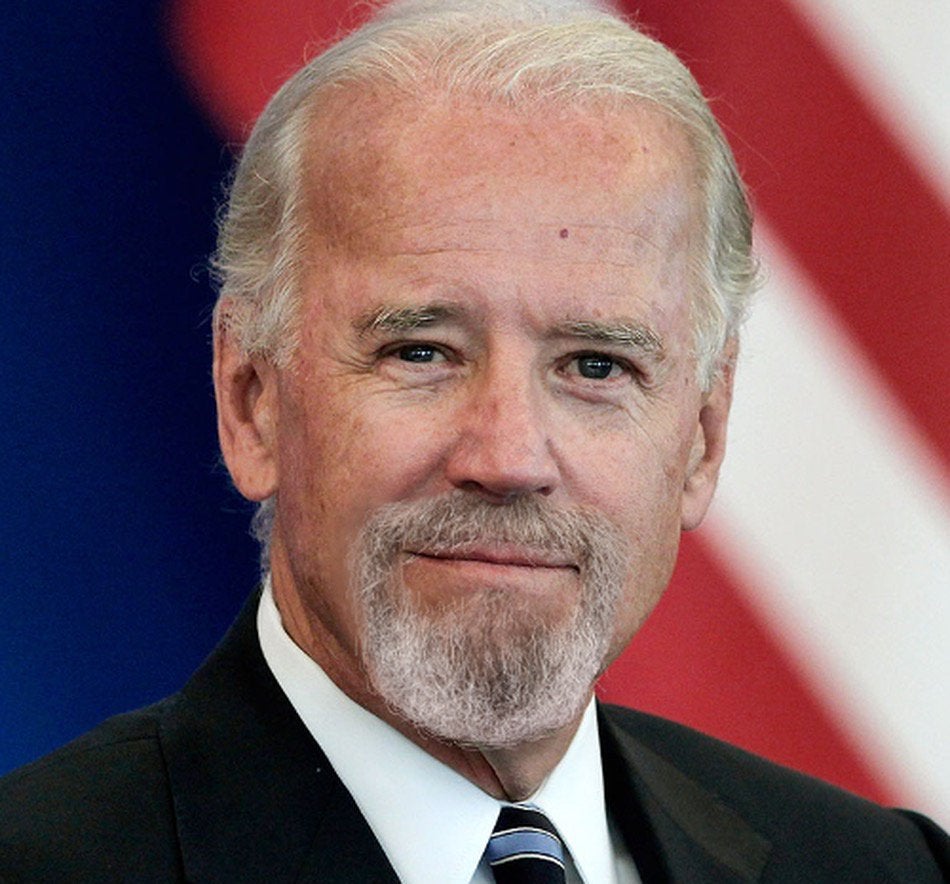
The Beard Liberation Front, the informal network of beard wearers, has urged new US President Joe Biden to move on from the Clean Shaven Orange era in the White House by growing a gravitas adding beard.
There has not been a US President with a beard since Benjamin Harrison (1889-1893) and pogonophobia rules at the highest levels in US politics.
By contrast the UK has not had a Prime Minister with a beard since Lord Salisbury in 1902
Donald Trump was a notorious beard hater who agonised over appointing John Bolton, who has a moustache, as National Security Advisor at one point.
Joe Biden has been consistently clean shaven although he has no record of pogonophobic remarks.
BLF Organiser Keith Flett said, we hope that Joe Biden will run a beard friendly White House, starting with his own beard.
Tory plan post-Brexit attack on workers rights: My Guardian Fletter: join a union
Ed Miliband is right to argue that the protection of workers’ rights is the key post-Brexit task. It’s not surprising that the Tories want to attack them and not just because they have a long history of doing so. While the Brexit agreement includes employment rights as a key area that, if diluted by the UK, would trigger a review, the Tories know that measures such as the working time directive are imperfectly applied across Europe and they would probably get away with diluting them. The solution lies now, as it did before 31 December, with joining and being active in a trade union.
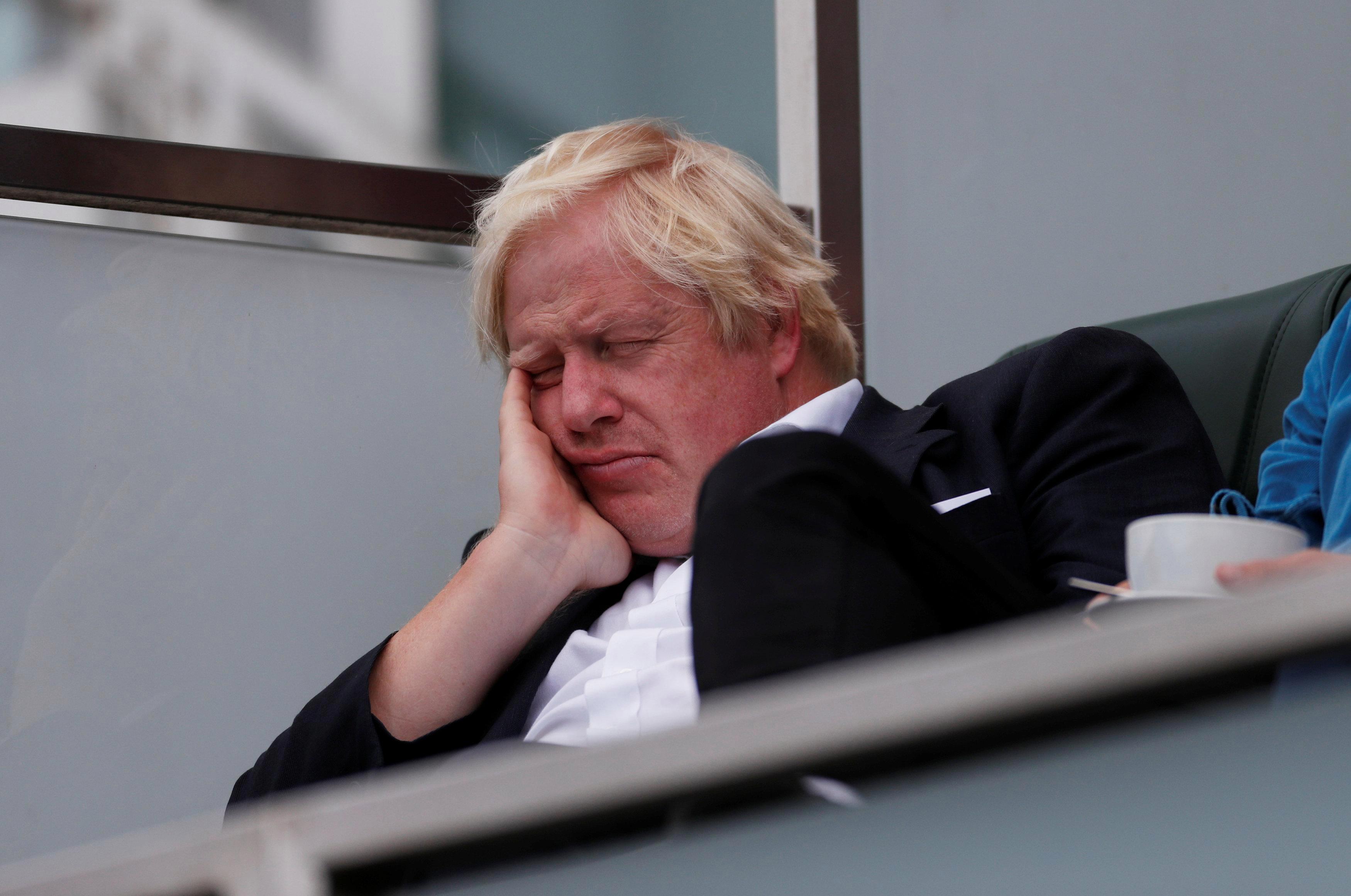
With deaths from COVID-19 in the UK hitting a terrible high of 1,610 on 19th January its easy (and in my view correct) to accuse Boris Johnson of being asleep on the job. As Prime Minister his decisions or lack of them have made matters much worse than they might have been. As bad everything in his past political record points to this being more or less what would happen if Johnson was in charge of a national crisis.
Related to this have been claims, denied by Downing St, that Johnson takes naps during the day. Given that he had COVID-19 himself in March/April 2020 this may well be an impact of what is known as Long or Post COVID. If so its a pity Johnson doesnt admit it and speak up about it.
More generally I dont think there is anything wrong with having a brief nap during the day (if the job and circumstances allow). There is something rather macho about suggesting there isnt.
That of course is another problem for Johnson. Day time naps go counter to the image he has constructed of himself. In her biography of Johnson, Just Boris, Sonia Purnell notes that Johnson compared himself to Margaret Thatcher who slept little and was already busy with the days work at 5am.
India’s Rishabh Pant named Beard of Australia-India Test series
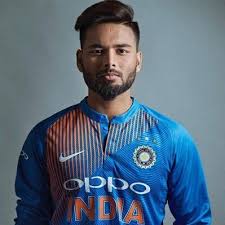
The Beard Liberation Front, the informal network of beard wearers, has named the Indian wicket keeper & batsman Rishabh Pant as Beard of the Australia-India Test series
Pant scored 89 not out on the final day of the final Test of the series in Brisbane to see India to a famous victory by 3 wickets. The campaigners say that Pant led with his trademark beard consistently demonstrating beard power on the pitch. Pant was born in 1997 the year Tony Blair became PM and represents a new generation of cricketing beard wearers.
India’s winning 329 surpassed the previous record 4th innings score at Brisbane which was 236:
The BLF said that while a majority of the Indian side were hirsute facial hair remains in quite short supply amongst the Australians. David Warner has been cultivating a Walrus moustache, Nathan Lyon’s stubble emulates the appearance of nineteenth century immigrants to Australia, and the permanently chuntering wicket keeper/captain Tim Paine has a modest designer style beard.
BLF Organiser Keith Flett said, Its only January but already Rishabh Pant has set the benchmark for Beard Power in international cricket for 2021.
It was established during the first wave of COVID-19 in the spring and early summer of 2020 that the disease had a differential impact depending on class and ethnicity.
There were more infections and sadly more deaths amongst ethnic minorities. This was briefly highlighted and is occasionally referenced by ONS studies but of course nothing was or is being done by the Johnson Government.
It appears that some ethnic groups may be more susceptible to COVID than others but there are many other factors in the mix including social class, occupation, geography and so on.
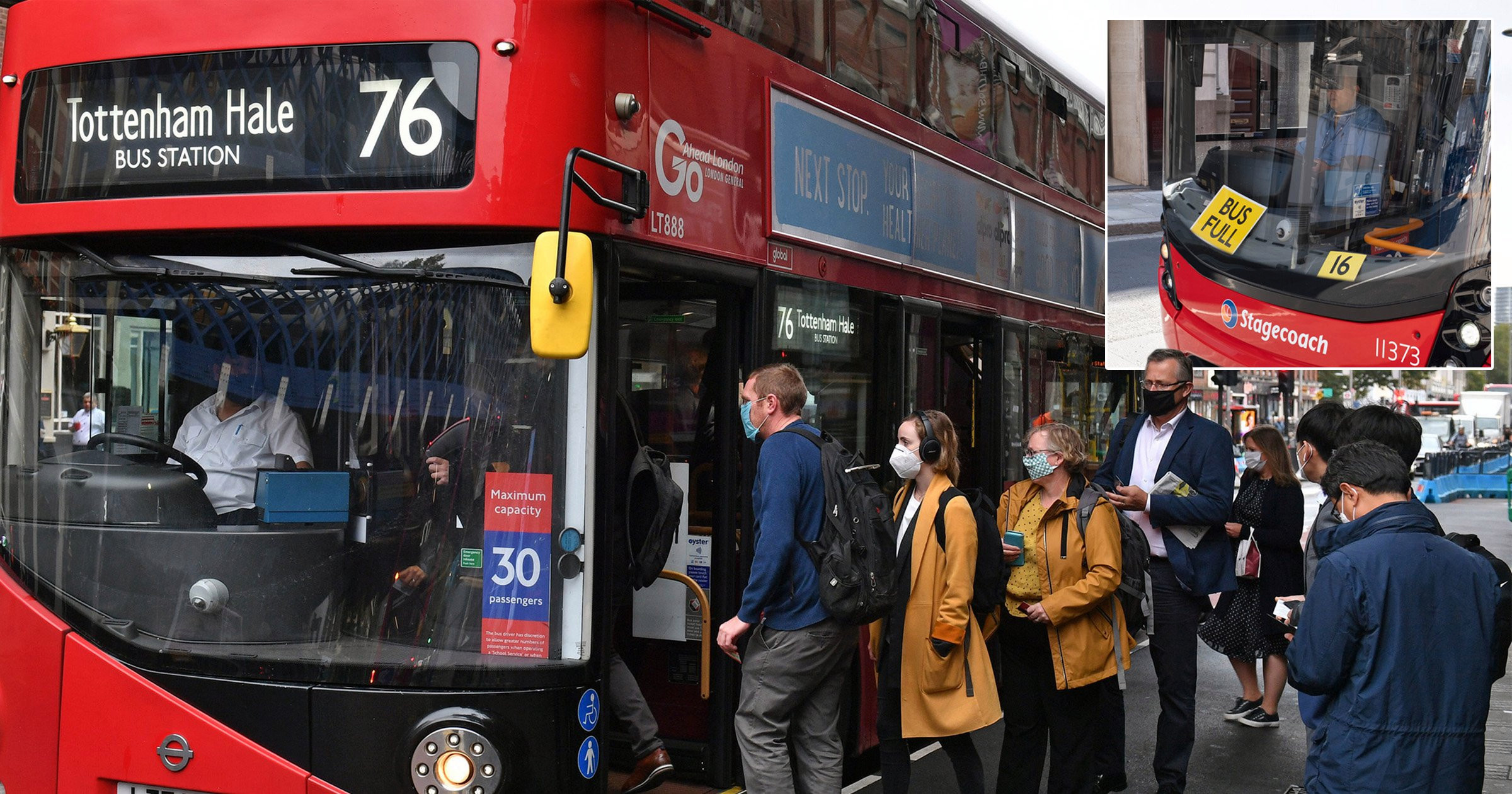
As we enter 2021 the matter is being highlighted again. Unite the Union which represents London bus drivers has noted Transport for London figures that so far 42 London bus drivers have died of COVID-19. The Union has successfully got safety measures in place and is now arguing for some additional precautions:
Bus driving in London where many key workers use the bus to get to work in London is an occupation where bus drivers in a cab for a lengthy period are more likely than many to be exposed to COVID-19.
It’s worth keeping in mind that the Government has done nothing on raising sick pay to a level where lower paid workers can actually afford to self-isolate and eat. It is also still planning to cut Universal Credit benefits.
The average salary for a London bus driver will vary depending on hours worked but it is a bit above the average wage at £30K upwards, perhaps around or a little below the London average wage.
Many London workers from supermarket employees to cleaners and security guards earn less. They will often live in shared housing and need to earn a living come what may.
Interestingly the BBC has published a report on the situation in Los Angeles that is a lot more specific than anything that can be found on parts of London and other cities:
It notes:
While Covid-19 can infect anyone, it’s definitely more cruel to the have-nots than the haves.
For every case of Covid in Beverly Hills, there are six times more in Compton. While two people from Bel Air have died, more than 230 people have lost their lives in working-class East LA.
LSE Sociologists have published research on social class arguing that in Britain a working class background, or a claim to one is still seen as important by numbers who in fact come from professional backgrounds and therefore middle class.
I’m not sure its that simple even on that basis. Many professionals are badly paid with precarious employment relationships- ask many academics.
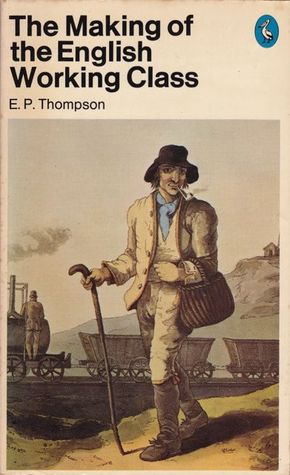
That said E P Thompson in the Preface to the Making of the English Working Class (1963) is not something that can be categorised. It is a relationship formed in social interaction
an historical phenomenon, unifying a number of disparate and seemingly unconnected events, both in the raw material of experience and in consciousness. I emphasize that it is an historical phenomenon. I do not see class as a ‘structure,’ nor even as a ‘category,’ but as something which in fact happens (and can be shown to have happened) in human relationships.
Perry Anderson on the EU & Brexit. Peculiarities of the English?
Veteran New Left Reviewer Perry Anderson has written two long essays on the EU in the first two issues of the London Review of Books for 2021 (7th January, 21st January). They are paywalled and I’ve only highlighted a few points here.
The first essay, Ever Closer Union, reviews the history of the development of the EEC and then the EU. Anderson is very critical of EU institutions, particularly the European Court of Justice, and finds only relatively peripheral reasons for why staying in the EU might have been a good idea.
Anderson would certainly not have been a Brexiteer and I’m not sure if espoused any form of Lexit (left exit) either. New Left Review has been determinedly pro-European which obviously is not the same thing as being pro-EU.
Two features of the EU that make a genuine difference to the lives of many of its citizens are plain. The first is the convenience of travel without a passport in the Schengen zone, which still excludes Bulgaria, Romania, Croatia, Cyprus and Ireland of the EU, but includes Iceland, Norway, Liechtenstein and Switzerland from outside the EU. More generally, there is the variety of products on supermarket shelves that followed the single market, the Union interpellating its citizens as consumers rather than political subjects. Loss of low-key facilities of this kind would not pass without protest; habit is a powerful force in human affairs. In this century, too, political expectations in advanced societies have declined nearly everywhere.
Perry Anderson, Ever Closer Union. London Review of Books 7th January 2021
His second essay Goodbye Europe looks back at the relationship between post-1945 British politics and Europe. His conclusion on the current EU remains very critical. He is of course no fan of the British State but does allow that at least there is some chance of voting about things in Parliament in a way that can influence what happens. He sees an absence of that in the EU.
the fact remains that British governments can only survive if they enjoy a majority in the Commons – something that can be eroded by dissension within a party, as in 1940, or defection of an ally, as in 1979, or sheer attrition at by-elections, as in 1996 – and if they fall, elections to replace them must ensue. In the EU, by contrast, executives are appointed by governments, not put in office by the votes of citizens; legislative elections yield neither a government nor an opposition; proceedings at every institutional level, including the judicial and financial arms, are shrouded in secrecy; decisions of the supreme court are immutable. In postmodern style, all this is presented as the last word in an up-to-date polity: in practice, it is the simulacrum of a sentient democracy. It may grate that, for all its woeful shortcomings – think only, beyond England, of the place of Scotland or Northern Ireland in the composite realm – Westminster is vastly superior to this lacquered synarchy. The difference can be regarded as a historical fluke. But it is the indisputable bedrock of the quarrel between London and Brussels.
He concludes again with a very critical view of the EU
the current formula of the EU – dilute sovereignty without meaningful democracy, compulsory unanimity without participant equality, cult of free markets without care of free trade – likely all the same to last indefinitely?
Perry Anderson Goodbye Europe London Review of Books 21st January 2021
It would appear that 55 years on Anderson has had to agree that the Peculiarities of the English had and have some purpose, albeit not ones that are likely to lead to socialist advance in the near future.