I’m no fan of wars (although not a pacifist) but there are reasons to remember those that have taken place (and those that still are). Not the politicians and generals who order them and promote them but the ‘poor bloody infantry’ who have to fight them. Sometimes there is a good reason for the fight and a good reason to remember it
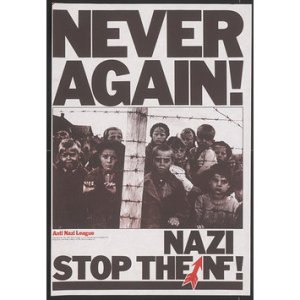
Simon Jenkins* no doubt has a point about an obsession with the second world war and Nazis to the exclusion of other history – that of colonialism and imperial wars for example. It is hardly time, though, to forget all about the second world war. My late father fought at Monte Cassino in 1944 and saw some of his comrades die there. A lifelong socialist, he would invariably wear a poppy on Remembrance Sunday. He wasn’t interested in Tory flag-waving. His concern, as when he was to be found on Anti-Nazi League protests in his later years, was to make sure that the industrial scale of murder represented by the Holocaust was both never forgotten and never repeated.
From Martha Reeves to Trump’s defeat: dancing in the streets
Before the age of visual mass broadcast media- initially TV- significant events, for example Labour’s 1945 Election victory were celebrated by huge numbers in the streets.
Street protests and demonstrations didn’t go away as television to a degree ‘privatised’ leisure but the physical act of political celebration seemed to diminish.
Tony Blair’s Election victory in May 1997 was certainly celebrated, as much for the end of the Tories as for what was to come perhaps, but the crowds outside Downing St were modest and perhaps not entirely spontaneous.
Few crowds are entirely or event mostly spontaneous (even if the organisers are unknown) but if large numbers turn up that is another matter.
There is an historical benchmark for such occasions and it is whether or not people were to be found dancing in the streets.
Barbara Ehrenreich has written a book about dancing being an expression of collective joy stretching back to ancient societies.
Ehrenreich uses primarily an anthropological framework for her commentary. It is clear that people coming together in a crowd to mark important occasions and to celebrate in certain ways such as dancing and music is a very old tradition indeed.
In more recent times this became in many cases celebration through the rituals of Carnival, a moment when traditional constraints to behaviour could be loosened.
Not all such occasions have been expressions of collective joy which opened towards the political left. The English tradition of Rough Music which was certainly a collective expression of a popular mood as a crowd gathered to make a noise and focus on those who had transgressed expected behaviour in some ways, was sometimes reactionary.
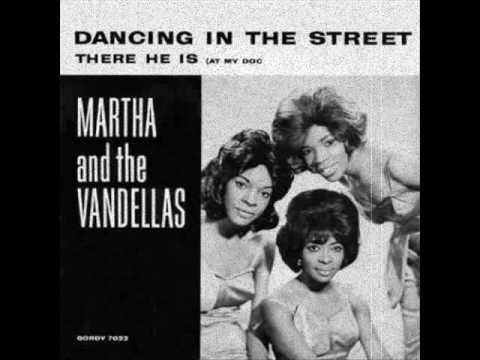
The modern usage of the term has been more specific and can probably be dated back to the Martha Reeves and the Vandellas 1964 Tamla Motown record Dancing in the Streets.
The song was a massive hit for the group and Motown and is still played over 50 years after its release.
Yet the meaning of the song was both disputed and perhaps left deliberately unclear.
When Martha Reeves came to England it is suggested that a reporter asked her if the song was about riot. She replied that this was absurd. It was of course about having a celebratory party.
However when the oppressed in society decide to take action against their oppressors there is often a moment of celebration of collective power about it.
A view is that Dancing in the Streets was certainly about, for a wider public, enjoying yourself. It also sent a message to the substantial black audience for Motown records that getting out on the streets around the civil rights movement was not just appropriate but potentially enjoyable.
Since then the present author has heard numerous claims that people were dancing in the streets at this or that political event or occasion.
Until quite recently unless you were there in person it has been very difficult to prove.
The general view is that in societies where participation in formal politics has often been in decline it would seem exceptional that people could summon up sufficient enthusiasm to dance in the streets at a political event.
In 2020 social media comes to our aid. Of course careful checks are needed to make sure some twerp for their own reasons isnt posting a clip of something that didn’t happen at that moment.
But if you check social media following the announcement of Joe Bidens and Kamala Harris’s victory there are ample short videos of celebrations, certainly in the US. They represent joy that Trump has gone and hope that better times may be coming. Whether they are or not may well depend quite a lot on what those dancing in the streets today,do.
Boris Johnson & Donald Trump: a history of mutual admiration
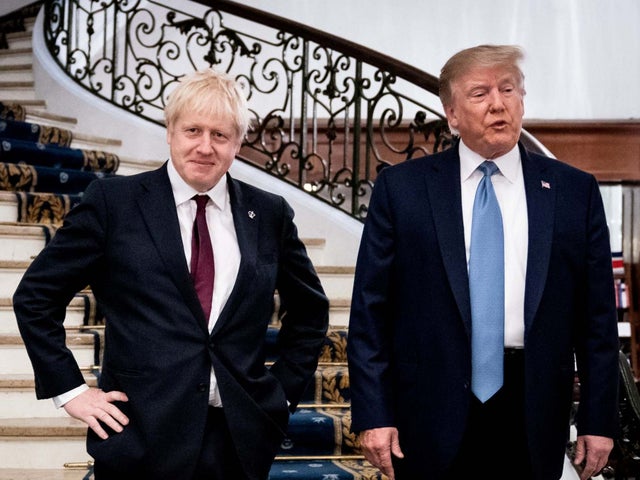
While Trump hangs on in the White House, his likely departure may at best be problematic for Boris Johnson. The two have formed a mutual admiration society in recent years.
Before Johnson became Prime Minister in July 2019 Trump, in a typically unusual intervention said “we have a really good man who’s going to be the prime minister of the UK now, Boris Johnson”.
He went on
“They say ‘Britain Trump’, they call him Britain Trump, and that’s a good thing. They like me over there. That’s what they wanted. That’s what they need’
Meanwhile on 5th September 2020 the Pro Trump (but anti-Johnson) Telegraph reported leaked comments that Johnson had made about Trump when he was Foreign Secretary in Theresa May’s Cabinet in 2017.
Boris Johnson privately told US diplomats that Donald Trump was “making America great again”, according to a cache of official notes taken during high-level UK-US meetings whose details have leaked to The Telegraph.
The Prime Minister is quoted telling the US ambassador to Britain in August 2017, when he was foreign secretary, that Mr Trump was doing “fantastic stuff” on foreign policy issues like China, Syria and North Korea.
Other records show Mr Johnson claimed the US president was becoming “increasingly popular” in Britain in 2017 and spoke warmly about how under his leadership America was “back and engaged in the world”.
Johnson may well be watching the outcome of the US Election with interest this weekend..
Campaigners provide guidelines on how to grow Movember facial hair
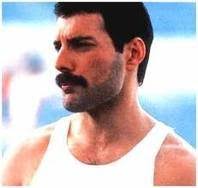
The Beard Liberation Front, the informal network of the hirsute, has provided guidelines on how to grow a Movember moustache.
Movember started on 1st November with people growing moustaches or generally not shaving for important charitable purposes.
BLF Organiser Keith Flett said, the key thing about our guidelines for Movember is that they do not involve shaving anything. They are about growing facial hair, both for enjoyment and for charity.
GUIDELINES ON GROWING A MOVEMBER MOUSTACHE
1] Do not shave the upper lip for the first week.
2 After a week assuming hair growth, trim and prune the moustache to taste
3] After this wash and deal with any split ends on a daily basis, while trimming and pruning several times a week
4] If the moustache growth is inadequate there are several steps that can be taken:
a] Marinade the upper lip in a glass of an imperial stout for five minutes each day for a week
b] Shave the upper lip twice daily; this will stimulate follicle growth
5] Do not shave the moustache off at the end of November. After all December is the season of the greatest hirsute figure in our culture: Santa Claus
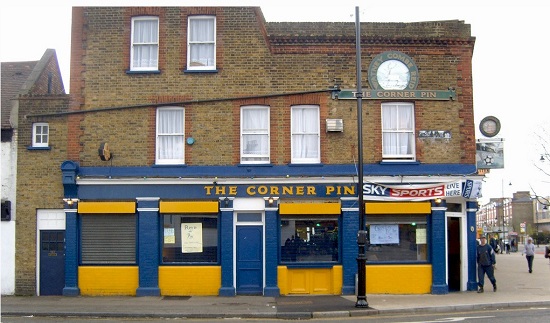
Beavertown & Spurs to re-open the Corner Pin on Tottenham High Rd
Update 3
The Corner Pin opened on 8th September 2021 and I stopped by on Thursday for a beer and also an unplanned chat with Beavertown owner Logan Plant. I’ll post some more on this in due course.
In the meantime its a good addition to pubs on Tottenham High Rd both space wise (large outdoor area) and beer wise. You can walk from Seven Sisters tube (it takes a while) or buses 149, 259 and 279 stop outside (10 mins from Seven Sisters). Alternatively you can take the overground to White Hart Lane and walk back (5 mins or so). Or if you’re local like me you can just walk
Update 2
It is now reported that the Corner Pin will re-open on Wednesday 1st September. Its positive news for Tottenham, although a lot has happened since Beavertown moved to Tottenham in 2014
Beavertown are now saying the Corner Pin will open in summer 2021 in time for the 2021/22 season. This starts on 14th August although fixtures won’t be known until mid-June
Even for lifelong Spurs fans (and local residents) such as myself the recent business activities of the club have proved controversial. Whether it was plan to re-name White Hart Lane station or proposals to take over areas adjacent to the ground the local community were not, it appeared, part of the picture.
The application to re-open the Corner Pin ex-pub (owned by Spurs) which is adjacent to the site of the old stadium on Tottenham High Rd is more welcome.
It was considered by Haringey Council’s planning committee just before Christmas and permission to proceed with the change back to a pub agreed. The Officer noted that the change would enhance the site in a Conservation Area:
Its part of developments in recent years that have seen closed pubs re-open in the area and entirely new ones appear.
The partnership with Beavertown brewery (another substantial local business part owned by Heineken- who do not appear to be involved here)is also broadly welcome. There is already a Beavertown brewery and bar in the new stadium and a pub will mean (in due course) availability of their beers on a 7 day basis.
The Tottenham Hale brewery has been replaced (although still operating I think) by a massive new Beaverworld brewery at Ponders End and one wonders if the pub will eventually spell the end for the current Tottenham tap facilities.
The CornerPin pub hasn’t operated as a pub for 10 years. It was a ticket office and then a works office for Spurs. According to the report below not a great deal of work is required to revert it to a pub.
It was originally opened as the Park Tavern in 1871 and owned in the twentieth century by Mann,Crossman,Paulin (Mile End) who were taken over by Watneys in 1958. When the name was changed I havent yet been able to discover.
I did occasionally wander into the pub in the 1970s. Its not a huge area (and the application mentions using the upper floors which weren’t previously part of the pub). Given the Watneys ownership there was no drinkable beer, and on a short visit. I suspect I would have had Guinness.
I don’t expect either that Spurs players will be seen in there after a game which certainly did happen in the 1960s (different times all around)
Any recorded music entertainment in the beer garden to the premises will finish at 23:00 latest and shall be at such a level to avoid undue disturbance to local residence.
Anything of similar description of Live Music, Recorded Music and Performance Dance
Beard Maintenance guidelines for the winter period
With Martinmas celebrated on 11th November the traditional winter season is getting into full swing.
Martinmas was the last time when fresh meat was eaten until Spring and was marked as a festivity with much drinking of ale.
It also signalled the time when winter beards were developed which could withstand and protect the wearer from the cold and inclement weather to come.
The Beard Liberation Front has issued guidelines for the maintenance essential for preparing the beard for the winter period.
Beard maintenance at Martinmas & beyond
1 It is likely to be prudent to trim or prune the beard for a final time before allowing it to grow over the winter period
2 The Martinmas beard trim can focus on rooting out any damaged or unhealthy beard hairs and follicles and promoting beard growth for the cold months to come
3 In most cases due to restrictions barbers are currently shut but it is advised to get the beard trimmed in a commercial environment unless you are sure the barber is beard friendly
4 Self trimming and pruning is the preferred Martinmas model
5 This may be done with an electronic trimmer or manually with scissors
6 Care must be taken not to over trim or prune at this time of year. The post-Martinmas beard will generally be more organic in composition and style than a summer on
7 One trimmed the new Winter beard may be celebrated with a glass of imperial stout and a roll consisting of the roast beef of old England. Point 7 is however entirely optional
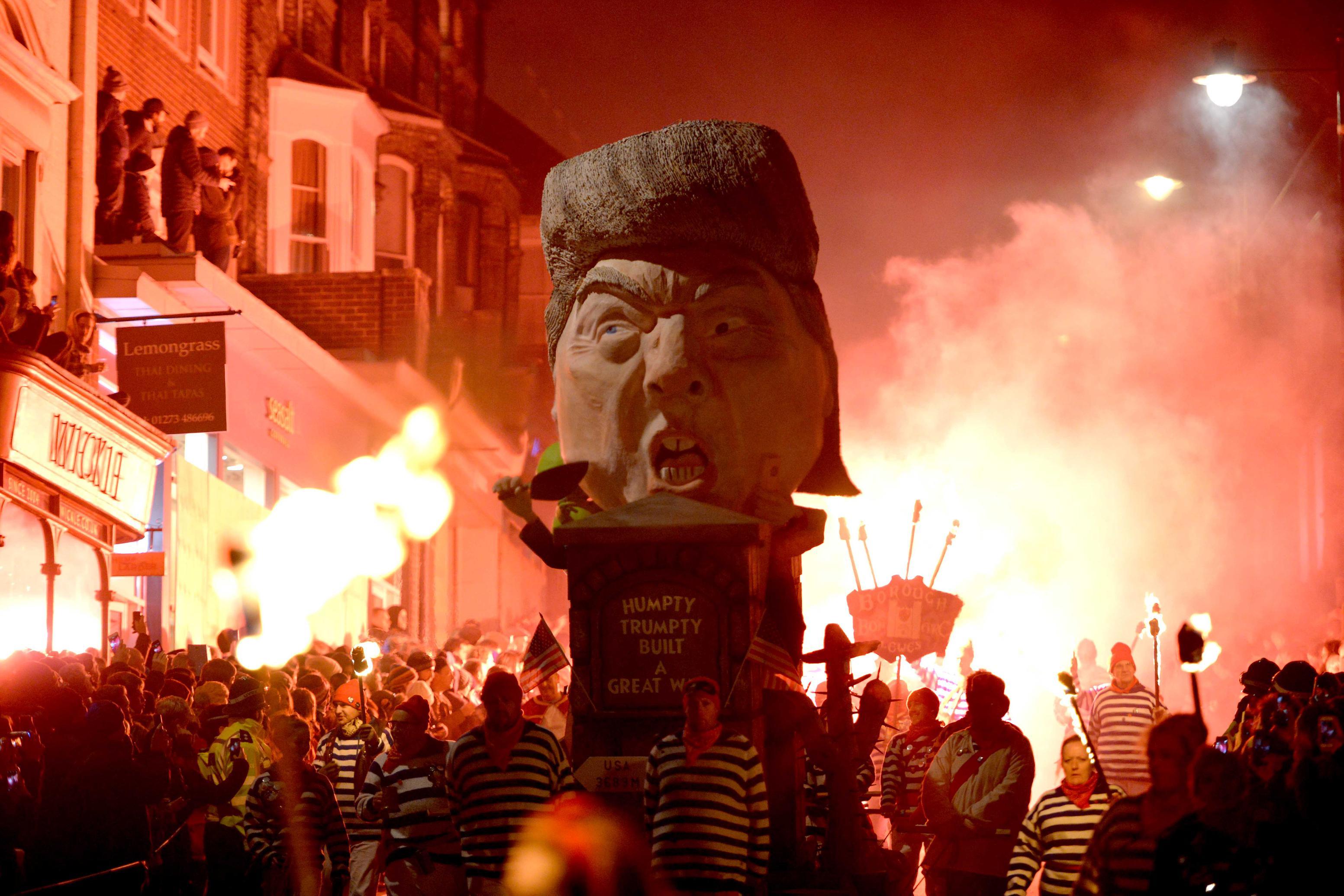
The burning of effigies of public figures who are disliked for various reasons is piece of political theatre stretching back into history.
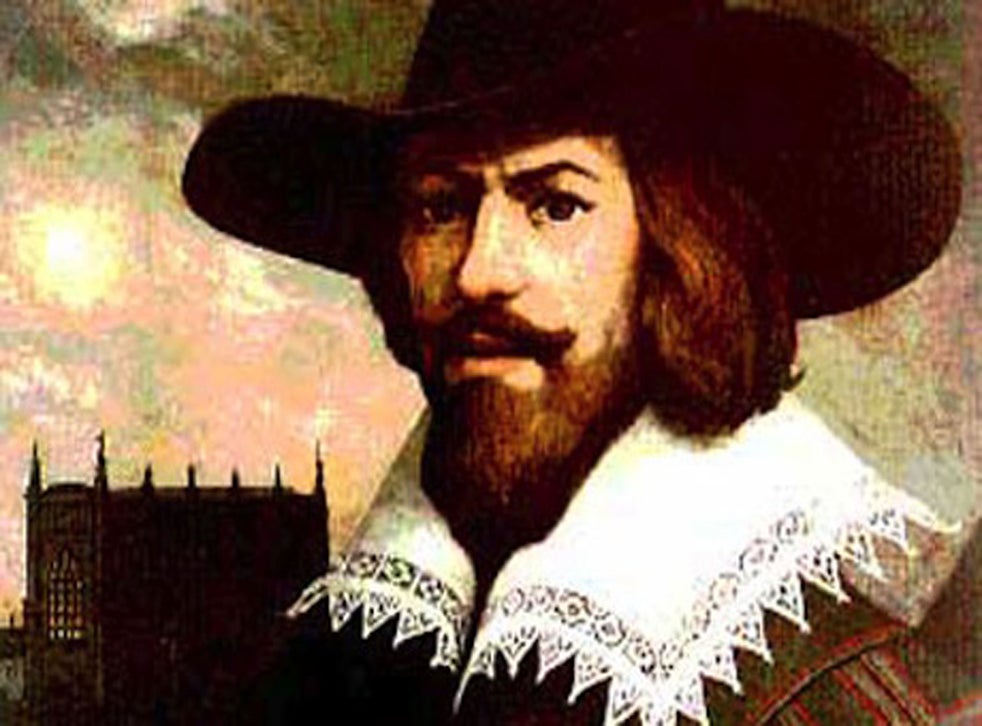
It hasnt always been politically progressive. The historian David Cannadine has pointed out that until the late nineteenth century the burning of effigies of Guy Fawkes was associated with reactionary anti-Catholic sentiment.
That specific tradition in England at least has almost passed into history itself.
However the burning of effigies on 5th November has continued and since his election as US President in 2016 Donald Trump has featured regularly, even after he lost in 2020.
The Beard Liberation Front, the informal network of beard wearers, has warned of Guy Fawkes pogonophobia as the 5th November is marked in household events.
Pogonophobia is the ancient Greek for an irrational fear or hatred of facial hair, known as beardism in modern English.
The BLF says that the period around November 5th is the traditional highlight of the pogonophobes year as, in other times, they burn an effigy of what they assume to be a dangerous radical figure with a beard, although few will openly discuss their often deep-seated concerns about beard wearers
BLF Organiser Keith Flett said the irony is that Guy Fawkes was a deeply reactionary character who, had he lived now, would almost certainly not have had a beard under any circumstances
The BLF is calling on people having Guy Fawkes bonfires in their gardens not to burn effigies with outlandish beards and to discourage pogonophobic remarks and behaviour. The group says that there is some evidence that beard burning bonfires have been in decline with events to mark 5th November often confined to fireworks only and welcome this positive development.
In his book the Spirit of London,(2012) Boris Johnson noted:
Across the world there are Governments that at least pay lip service to concepts of Parliamentary democracy… that London did more than any other city to promote.
One wonders in that context when Boris Johnson will congratulate the new US President.
There is a poll here:
When will Boris Johnson congratulate the new US President?
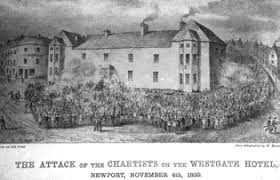
It is 181 years on 4th November since a key battle for democracy in Newport
The events of that day may have had a revolutionary character but the specific aim was clear. The Chartists were after the kind of political democracy- adult suffrage and secret ballots- that we take for granted now. They had tried petitioning Parliament, they had tried a General Strike in August 1839 (National Holiday]. They had been ignored. The resort to arms was a last attempt.
The traditional histories note that male (and some female] Chartists marched from a number of mining areas outside of Newport such as Merthyr and Pontypool with the aim of rallying in the town itself.
As many as 9,000 Chartists gathered on the Saturday and Sunday 2nd and 3rd November 1839 before marching into Newport early on the Monday morning of 4th November. In the days before the telephone let alone social media, to co-ordinate a series of marches, some miles in distance, to arrive at the same time was problematic. Probably around 5,000 Chartists had rallied near Tredegar House on the outskirts of Newport on the Monday morning ready for the final push on the town centre.
Many were armed, some with guns other with pikes and clubs. Certainly numbers had visited pubs on the march in- hardly surprisingly given the time taken and the weather- and it hardly amounted to a revolutionary army. Even so their thousands far outnumbered anything the authorities could muster.
What exactly the plan was is disputed. It may have been to liberate the occupants of the Workhouse on Stow Hill and some Chartists that were held there and then to move on to Monmouth to free the jailed Chartist leader Henry Vincent.
In practice they marched to the bottom of Stow Hill and encountered the British Army at the Westgate Hotel in the centre of Newport. There was a confrontation and numbers of Chartists were left dead, 22 is the most recent estimate, with many more seriously wounded. Numbers were arrested and sentenced to prison. A few leaders such as John Frost, originally sentenced to be hung, drawn and quartered were despatched to Australia. They were later pardoned. A few escaped altogether.
The perspective is that the Chartists were no match for the forces of the British State and that the whole thing was a disaster.
Well, not quite.
In fact the Chartists were much better organised and led than the traditional histories suggest. They were shot down too not by a regular army unit but by a detachment of the crack regiment of the British Army at the time, the 45th, sent to do a particular job. Soldiers from the same regiment had shot down rebels at the Battle of Bossenden Wood in Kent in 1838.
Amongst the Chartist leaders on the day was someone known as Jack the Fifer [John Rees] who had fought at the Alamo with the Free Texan Army in 1835 and so had revolutionary military experience.
Moreover the Newport Chartists did not act alone. Their rising was to be the signal for other Chartists around the UK to do the same.
Clearly tactical mistakes were made. Leaving aside whether many of those who participated in the march in Newport understood exactly what was planned and what opposition they might meet, it must be questioned why it was necessary to confront the 45th Regiment in the Westgate Hotel when they did.
The Chartists easily had the numbers to occupy and control Newport in the face of which a small number of even crack troops could have done little.
It was not to be, but the problem lay with tactics and strategy not support.
The impact of defeat on Welsh Chartism and Chartism more generally is perhaps worthy of further research. The late Malcolm Chase has picked up some themes.
Certainly it was to be almost 10 years-in the summer of 1848 and in the Year of Revolutions that further attempts at armed revolt were to take place, for example in Bradford in June and London in August.
Again however the conspiratorial model of organisation was foremost and the results arguably all too predictable.
My wider thoughts on models of revolution and Newport 1839 are here: