Articles

Shrove Tuesday: not just pancakes but subversion

In Uncategorized on February 25, 2020 by kmflett

Shrove Tuesday not just Pancakes but Subversion
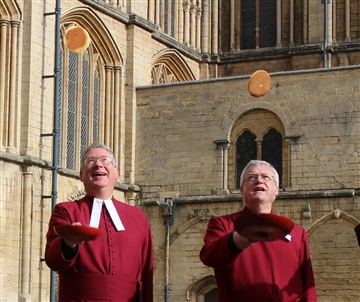
In 2020 the moveable feast of Shrove Tuesday, the day before Lent, is known almost entirely for the consumption of pancakes. Historically matters, in certain periods, particularly the early C17th, were a bit more exciting.

Shrovetide was the occasion for ball games, what Ronald Hutton in the definitive volume on British folk customs, Stations of the Sun, notes as ‘licensed misrule’.

By 1598 the ball games had started to develop into something wider. There were, Hutton records, riots on 24 out of the 29 Shrove Tuesdays in the early Stuart period (1600s). The riots took place mainly it seems in areas to the north of the City of London and involved centrally apprentices but also craftsmen.

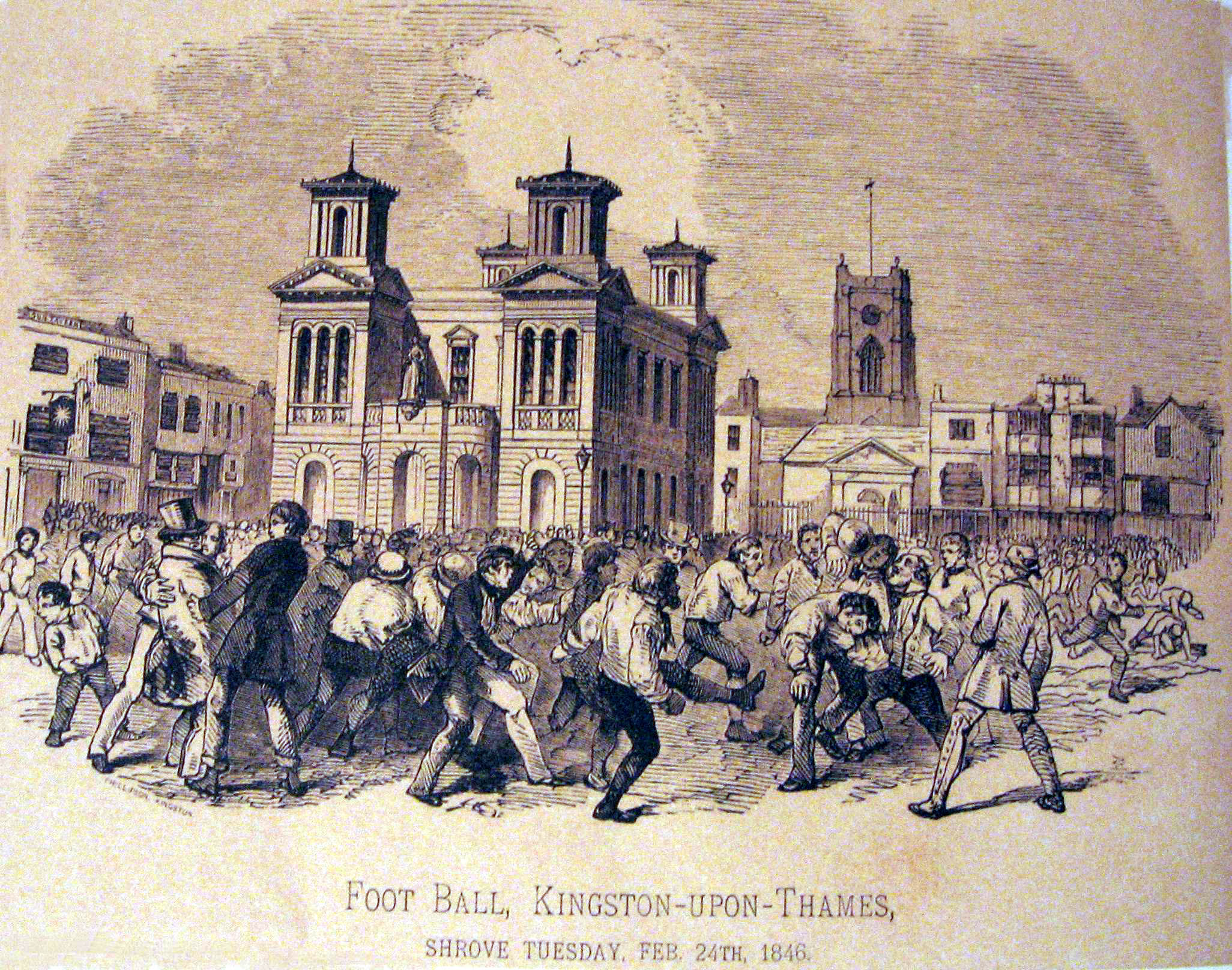
E P Thompson noted in his essay Patrician Society, Plebeian Culture about eighteenth-century England a Shrove Tuesday game of football which took place at Kingston in 1799, The magistrates banned it but the ‘populace’ and the ‘mob’ ‘triumphantly’ defied the ban.

Riots were not random but aimed at particular targets, in particular brothels and playhouses. Hutton records that between 1612-14 on Shrove Tuesday a Shoreditch brothel was attacked each year until it shut. On Shrove Tuesday 1617 a new Drury Lane playhouse was destroyed and prisoners freed from Finsbury prison by rioters.

Hutton notes that, while the targets may at least seem odd to modern eyes, they ‘fitted into a much older tradition of cleansing a community before Lent’. In other words the Shrove Tuesday crowd, in rioting, was seeking to destroy what it saw as the less moral parts of the early C17th economy.

The tradition of rioting died out only slowly and the mass playing of football on Shrove Tuesday still goes on in some places- Ashbourne in Derbyshire for instance- as a distant echo of earlier times. Shrove Tuesday football had no rules and no limit on the number of participants. The struggle (or fight) to get possession of the ball was at least as important as what was done with it afterwards.

That is also a reminder that Shrove Tuesday in the traditional calendar was the end of the reign of the world turned upside down figure of the Lord of Misrule, often appointed on the previous All Hallow’s Eve 31st October.

In short in the 1600s Shrove Tuesday was not about pancakes but about disorder, riot and subversion.


,
 

Articles

Donald Trump on cricket, a reminder

In Uncategorized on February 24, 2020 by kmflett

Donald Trump on cricket

It’s a reasonable assumption that the only sport Donald Trump has any detailed knowledge of is golf, because he knows how to cheat at it.

He has previously been involved in a draw for the old League Cup in 1992/2 (link below) where it was clear he had no idea what he was doing.

However since Trump is again making a nuisance of himself, at best, as a US Presidential candidate and we are in the middle of an India v England Test series its worth recalling what his grasp of cricket is

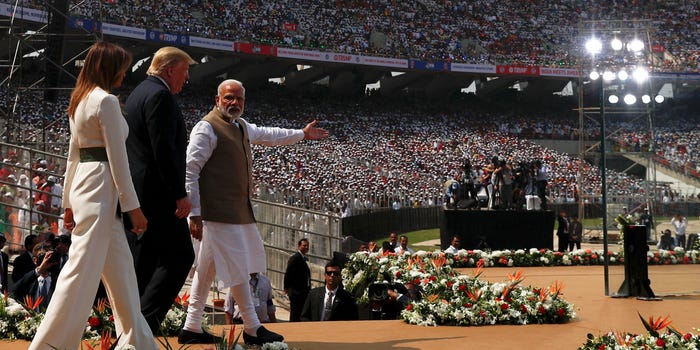
In a brief tour of India in 2020 he has appeared at a rally with a leader at least as odious as himself Narendra Modi and tried to pronounce the names of two of the greats of Indian cricket Tendulkar and Kohli. As can be seen from the quote below it didn’t go too well.

One wonders what Trump would make of the LBW law…

‘This is the country where your people cheer on some of the world’s greatest cricket players from Soo-chin Tendul-kerrr to Virot Ko-leee.’  Donald Trump 24th February 2020

https://www.theguardian.com/football/video/2016/oct/26/donald-trump-helps-league-cup-fifth-round-draw-1991-video

Articles

Are you doing Collop Monday? On reinventing traditions

In Uncategorized on February 24, 2020 by kmflett

Are you doing Collop Monday? On reinventing traditions

We may be taking back control but don’t expect to hear about the traditional Collop Monday from GB News or Farage.

In the traditional calendar Shrovetide consists of there days: Shrove Sunday, Collop Monday and Shrove Tuesday.

Following this comes 40 days of Lent a period of frugality (poor people only)

Collop Monday was the last opportunity to use up any meat that would not last until the end of Lent.

In the days before refrigeration meat in February would consist of salted or smoked bacon or pork in the main. It would be cooked and eaten and the fat produced used to make pancakes on Shrove Tuesday.

The point being, and this is perhaps where Collop Monday might find support in 2025, that today is meant to be the last day of meat eating until Easter.

As Eric Hobsbawm noted all traditions are invented, Collop Monday was invented by the Christian Church in Medieval times, and they can of course be reinvented to suit

Articles

Solidarity beards on UCU picket lines

In Uncategorized on February 24, 2020 by kmflett

Beard Liberation Front

24th February

Contact Keith Flett 07803 167266

Solidarity beards on UCU picket lines

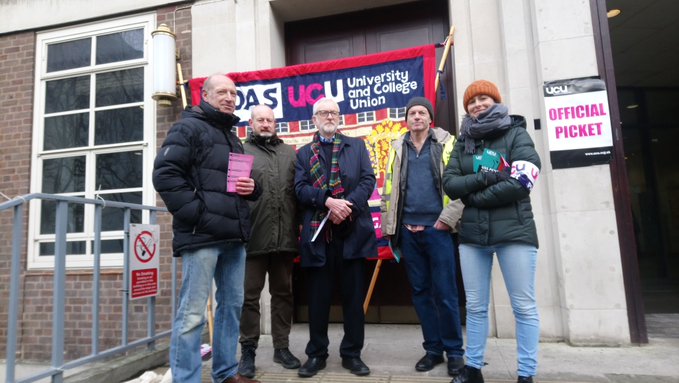
The Beard Liberation Front, the informal network of beard wearers, has said that with the UCU taking 14 days of strike action across 74 Universities, it is looking to record and promote solidarity beards on picket lines.

Broadcaster Michael Rosen and Labour MP Jeremy Corbyn have already been spotted bringing beard power to a UCU picket line.

BLF Organiser Keith Flett said, social media often features our animal friends at polling stations for example. We’re looking to capture people with beards, real or organic knitted, on UCU picket lines

Post pictures to the twitter address of BLF Organiser Keith Flett @kmflett and regular updates of solidarity beards will be issued. Hashtag #beardspicketlines

Articles

The Cato St conspiracy, 23rd February 1820 at 204: An outcrop of Peterloo & the armed tradition in working-class politics

In Uncategorized on February 23, 2020 by kmflett

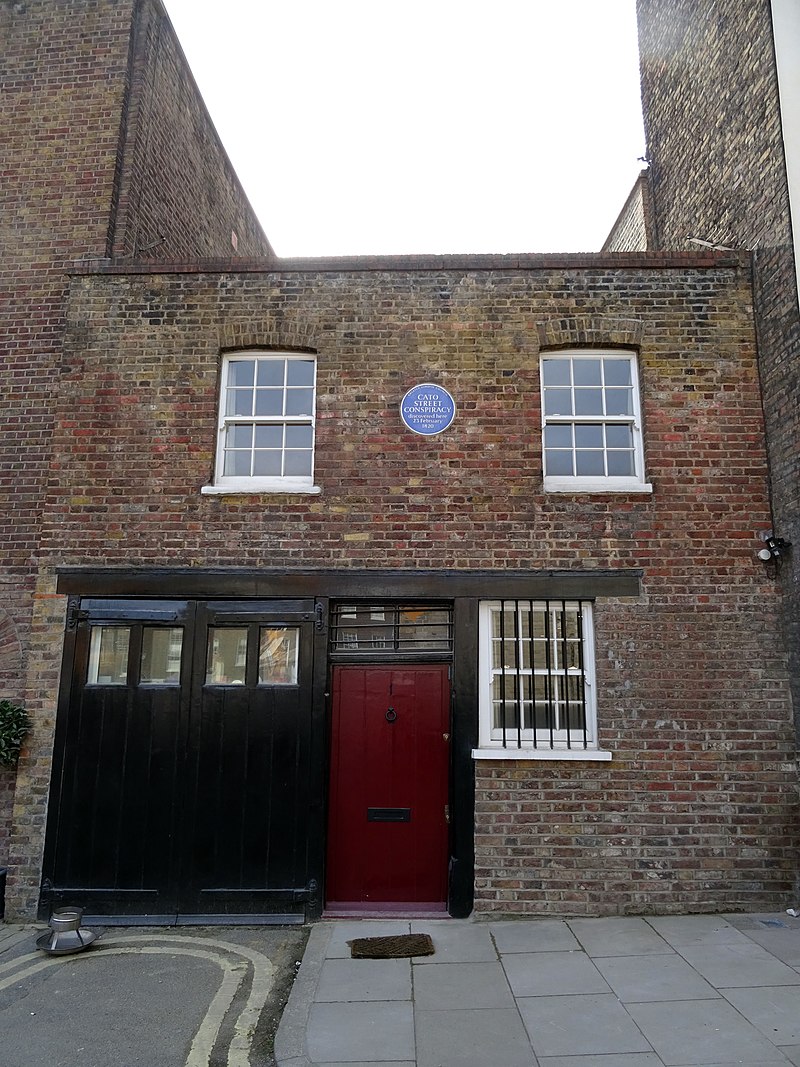
The Cato St conspiracy at 204: An outcrop of Peterloo & the armed tradition in working-class politics

Cato St, Marylebone

It is 204 years since the Cato St conspiracy was ‘uncovered’ on 23rd February 1820 and the leaders duly despatched at the scaffold or to Australia

It warrants a section in E P Thompson’s classic account of the Making of the English Working Class (1963). It probably remains the best assessment of what the actual significance of the Cato St conspiracy actually was.

The conspirators, who like others before them, had been infiltrated by Government spies, planned to attack a ‘Cabinet Dinner’, murder the Prime Minister, Home Secretary etc and display their heads on poles.

The dinner of course did not exist except with the purpose of entrapping the conspirators led by veteran Conspirator Arthur Thistlewood.

The plan was to spark a series of uprisings around the country in revenge for the Peterloo Massacre. It hinted at the existence of a revolutionary underground network, which has been historically controversial.

Thompson doesn’t dismiss the idea but there remains remarkably little work into the armed tradition in British working class politics. Many in 2024 might be surprised that it existed at all.

Certainly the conspirators had the support of some sections of the London working class, notably the shoemakers, who might well have risen had the conspiracy to murder the Cabinet worked. Thompson argues that the likely result then would have been a bloody few days in London while the army restored order.

The Cato St conspirators Thompson points out were amongst the last outcrop of those in a Jacobin political tradition who preferred to plot secretly rather than agitate and organise openly. That of course was the path taken by the British working class.

The immediate impact of the ‘discovery’ of the conspiracy was to ease the passage of the Six Acts proposed after Peterloo in 1819 that severely restricted democratic political activity.

Thompson however argues that it was not Cato St or the Six Acts that had the lasting influence on events but Peterloo itself. He notes ‘it served notice on the middle class reformers and Whigs as to the consequences that would flow from their loss of influence over the unrepresented masses… Second the experience of the post-war agitation shook the confidence of the ancient regime in itself ; and some of the loyalists of 1819 became, in the 1820s, willing to admit the need for limited concessions.

It was the road of mass organisation not conspiracy that was the way forward

Thompson’s point remains valid although more recent research has suggested a much wider context to and impact of Cato St than he allowed for

Articles

The Ambridge Socialist. Snell quits as ReBulls leader. Collective campaign to Save The Bull continues

In Uncategorized on February 23, 2020 by kmflett

The Ambridge Socialist

23rd February

Snell quits the leadership of the ReBulls. Our collective campaign continues

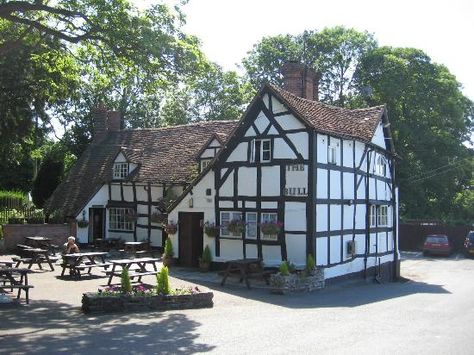
Lynda Snell has quit her one person protest outside of The Bull and the leadership of the ReBulls after pressure from the Bull’s owner Lilian Bellamy. Bellamy had discovered that Snell’s protest was only part-time and had had the physical support of no one else

Ambridge Socialist Editor Keith Flett said, Snell’s protest was to a degree heroic but stopping the change of name of The Bull and keeping the pub open is about more than one individual. We need well thought through, well organised, collective protest which has a range of tactics including petitions and direct action

Offer of a United Front with The Rebulls to Save The Bull

Lynda Snell’s one person vigil outside The Bull (albeit part time) did get a lot of support but it will take more than a one person protest to make sure The Bull retains its traditional name & keep the pub open.

We have proposed a united front of protest with the Rebulls starting with a joint protest workshop to look at the best strategies for a collective campaign.

In the meantime the more signatures we can get on the real Save The Bull petition the more pressure we can put on Lilian Bellamy so please encourage people to sign

http://chng.it/8gwW6Ysg

Kate is not pregnant

The Ambridge Socialist is often critical of Kate, one of the more self-indulgent residents of Ambridge (and there are a lot to choose from). However we were sorry to find that she was not pregnant as she had hoped. It was a sad moment. Whether Jakob felt quite so sad is less clear.

In Other News

The Professor’s house extension is making progress (at last)

Josh has sold his car much to the annoyance of Ben

This week’s Ambridge Socialist vote

Articles

What’s in a name? Timothy Taylor’s Ram Tam becomes Landlord Dark

In Uncategorized on February 23, 2020 by kmflett

Landlord,brewed in Keighley by Timothy Taylor is one of the most iconic (and in conditon and on form) one of the most enjoyable of cask ales.

It is quite widely available, certainly in England.

I hadnt noticed however, until I perused a beer list for The Grove pub in Huddersfield that in January Taylor’s changed the name of their classic dark beer Ram Tam to Landlord Dark,

Of course Ram Tam has always been Landlord with the addition of caramel so what is being changed here is the name and positioning of the beer on the bar.

According to Taylor’s PR they are reacting to an increasing demand for dark beers and the on the bar recognition of Landlord Dark is better than Ram Tam.

Agreed only Yorkshire beer drinkers and aged CAMRA members like myself actually knew what Ram Tam was.

But if Taylor’s are in the market for change can we have an imperial Landlord Dark next?

https://www.timothytaylor.co.uk/a-darker-shade-of-pale/

Articles

Fight review finds Wilder more concerned to protect his beard than defeat Fury

In Uncategorized on February 23, 2020 by kmflett

Beard Liberation Front

PRESS RELEASE 23rd February

contact Keith Flett 07803 167266

FIGHT REVIEW FINDS WILDER MORE CONCERNED TO PROTECT HIS BEARD THAN DEFEAT FURY

Getty Images

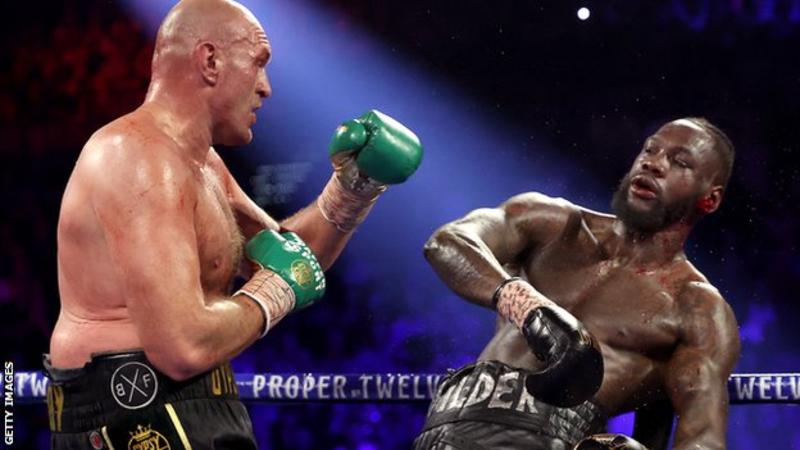
The Beard Liberation Front, the informal network of beard wearers, which campaigns against irrational prejudice against the hirsute, has said that it has carried out an urgent review of the Tyson Fury v Deontay Wilder fight held in Las Vegas earlier on Sunday.

Clean shaven Fury won the fight by a technical knockout in the seventh round.

Normally it would be expected that where a hirsute sportsman faces a clean shaven opponent they would have an advantage of beard power on their side.

However the BLF review suggests that Wilder’s beard was not fight ready. He had not pruned it to an appropriate fight length and ended up being more concerned to protect his beard than win the fight.

BLF Organiser Keith Flett said, Tyson Fury who often wears a beard was clean shaven for the fight clearly having decided that his focus had to be on winning rather than worrying about beard damage. It was not necessary for Wilder to shave however but he should have made sure his beard was match ready.


Articles

Great London Traditions: the Seventeenth Century Shrove Tuesday riots

In Uncategorized on February 22, 2020 by kmflett

Great London Traditions: The Seventeenth Century Shrovetide riots

Shrovetide, nowadays called Shrove Tuesday was an informal holiday amongst apprentices and other young workers in London. The day before Lent it was also time to challenge authority. The locations for such activities tended to be on the northern edge of the City of London such as Moorgate and Norton Folgate (between Liverpool St and Shoreditch)

Some examples are below

‘a reall reformacon of the lyncentious & rude custome formerly used by base and lewde persons at Shrovetide’ Privy Council 1622

The Venetian Ambassador to London called Shrovetide a day of ‘furious misrule’

1629 Privy Council took action to prevent ‘ryotts or tumults’ by apprentices

Something to ponder while deciding what pancakes you are planning to eat on Tuesday,if any. although worth noting that as with all riots and tumults what went on may not necessarily have been progressive.

Articles

Johnson’s 2020 Honours List. ‘Old Corruption’ takes back control

In Uncategorized on February 22, 2020 by kmflett

Johnson’s 2020 Honours List. ‘Old Corruption’ takes back control

Newspaper reports earlier in February indicated that Boris Johnson’s latest honours list- relating to the December 2019 Election- recommends Peerages for a number of people prominently involved in Vote Leave and/or his Election campaign. Also in the frame for elevation are a number of Tory MPs who were purged by Johnson for not supporting the line on Brexit including Hammond and Clarke. The draft list has to be scrutinised by a committee so we’ll know more at some point on if any are vetoed.

The list also reportedly contains a couple of obscure former backbench Labour MPs who backed Johnson on 12th December.

Quite rightly an Honours list consisting of Johnson’s cronies and people he ‘owes’ has come in for robust criticism already.

Sir Alistair Graham, a former chairman of the committee on standards in public life, said: “I have concerns about the sheer scale of the list. We have now got a second parliamentary chamber with over 800 people. It is just ridiculous, particularly when it is very often filled with retired politicians or people who have donated to political parties. It looks as though you can buy your way into the Lords. It is a national scandal.” The Times 8th February

William Cobbett a writer and farmer was a radical Tory who strongly criticised what he saw as the Old Corruption of the political system before the 1832 Reform Act.

He strongly disliked the power of patronage in the system, people who held well paid positions in Government and other official structures not on merit or competence, and certainly not because they were elected, but rather because of who they were or who they knew.

In his Rural Rides, Cobbett criticised ‘pensions, sinecures, tithes and the other ‘glorious institutions’ of this ‘mighty empire’. He referred to this collectively as The Thing.

Cobbett was might well have recognised the Tory Party of 2020 as strangely familiar