I’m no great fan of Andrew Marr. I was never on the same page as the left-wing politics he had in his student days (& I’m still not) but as readers of my blog will know that doesnt mean that I’m not on the left or indeed inhabit broadly the same terrain as Marr then did. I may have got on better with him when he was Editor of the Independent when we had exchanges (obviously)about facial hair amongst other things. As for the BBC era, frankly the only time I get up that early on a Sunday is for Union Executive meetings.
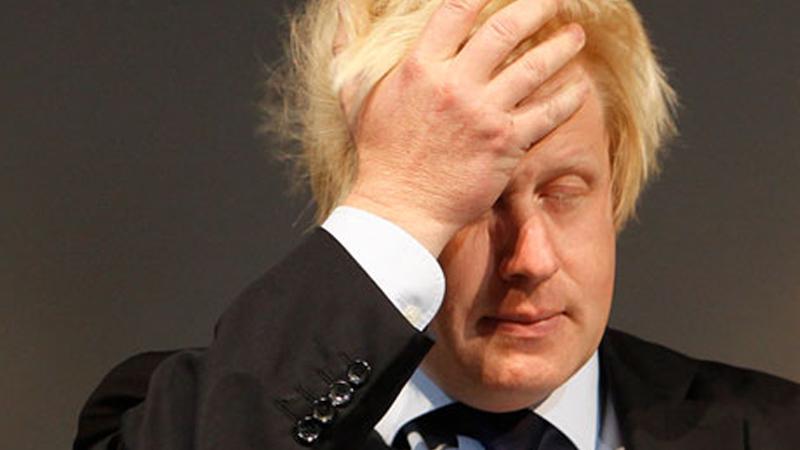
His interview with Boris Johnson on Sunday December 1st Ive commented on, as have many others, on social media. It is symptomatic of much media coverage of the Election,which,however, it should be underlined is not really a new phenomena. The ability of social media to amplify the matter perhaps is.
All these points aside below is an extract from the Spectator website of a piece written by Marr on why December Elections are a bad idea its behind a paywall for all the non-Tories out there (!) and Ive extracted the historically interesting (and indeed accurate) piece.
The rest is about the impact of December weather on Elections,how climate change is making matters worse and how while this now preoccupies many voters (particularly those who face flooding) it does not dominate Election discussion in the way it perhaps should.
Andrew Marr’s Wiki entry
https://en.wikipedia.org/wiki/Andrew_Marr
Extract from Spectator blog on December Elections
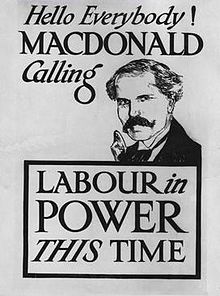
I’m interested in the parallels with the December 1923 election. Back then, a Conservative prime minister, lacking his own mandate, risked going to the country. Against a depressed economic background, the great issue was tariffs, which Stanley Baldwin’s opponents claimed would raise food prices. In Ramsay MacDonald, the Tories faced a Labour opponent they dismissed as too extreme to be a real threat. MacDonald is remembered now as the turncoat who became an almost-Tory himself; but in 1923 he was seen as a pacifist, enemy of the Empire, a quasi-Bolshevik menace. Ninety-six years ago, the Tories badly miscalculated and, with this last unforced winter election, lost their majority. The Liberals were on the way down and Asquith allowed Labour in, assuming MacDonald would be a disaster. True, his minority government didn’t last long. He lost to Baldwin in 1924. Then, as now, repeated general elections were a cardiograph of a system under strain. Then, as now, we were obsessed by Russian plots — the Zinoviev letter, rather than oligarchs and St Petersburg bots. But the bigger picture was that MacDonald’s Labour showed it could govern. In many ways, that winter election of 1923 was an essential precursor to 1945. As more and more younger voters registered in the last weeks, it would be foolish of Tories to dismiss a Jeremy Corbyn premiership as impossible. The polling is against him, but he’s surprised us before.