Articles

W G Grace tie urged as a replacement for tie of Michael Vaughan’s misplaced by Jonathan Agnew

In Uncategorized on August 10, 2018 by kmflett

Beard Liberation Front

10th August

Contact Keith Flett 07803 167266

WG Grace tie urged as a replacement for tie of Michael Vaughan misplaced by Jonathan Agnew

The Beard Liberation Front, the informal network of beard wearers, has said that after the mysterious disappearance of a tie loaned to him by former England cricket captain Michael Vaughan so he could conduct an interview in the Pavilion at Lords, BBC cricket correspondent Jonathan Agnew needs to make amends swiftly.

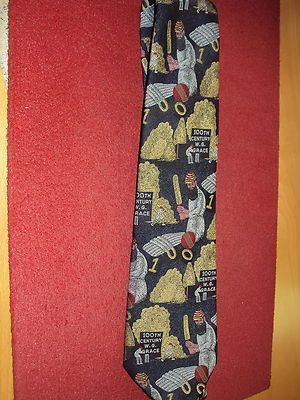
The campaigners say that the obvious replacement is one of the ties produced to mark WG Grace’s 100th century

BLF Organiser Keith Flett, obviously the original, now missing, tie had a plain pattern. But in acquiring a replacement Jonathan Agnew has a rare chance to upgrade the gravitas of Test Match Special ties and a WG Grace tie would do the job nicely


.

Articles

In praise of Greene King at the Great British Beer Festival…

In Uncategorized on August 9, 2018 by kmflett

Updated: Drinking Greene King at the Great British Beer Festival

Morning Advertiser

When the news that Greene King XX mild had won the Champion Mild of Britain Award at CAMRA’s Great British Beer Festival on Tuesday there was apparently some booing. I was at the GBBF on Tuesday but happy to check the Champion Beer results on my phone elsewhere in the festival.

Anyway Greene King and CAMRA will survive the booing and it can be understood. Internationally speaking GK may not count as Big Beer but they are certainly part of the UK Beerage. That is they back the Tory Party.

The history of GK in terms of who has run it is fascinating because it is a snapshot of slice of the British ruling class, with the possible exception of the novelist Graham Greene.

Furthermore GK acts like Big Beer. It churns out IPA and Abbott and variants of (some of which are quite drinkable btw) and while it can and does produce great beer this is rarely seen.

As Roger Protz has noted however, for whatever reason, the GK bar at the GBBF does indeed have great beer (and some deckchairs).

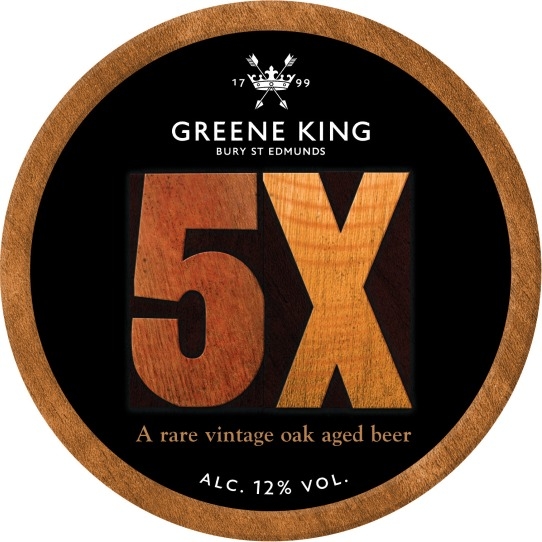
The XX mild, has an uncertain current brewing provenance I think but the third I tried on Tuesday was on top form. The Vintage Ale a rare cask version of the 6.5% bottled beer brewed with Chevalier malt was raisin-y in taste and again very drinkable for a third. The 12% 5X oak barrel aged beer was superb if for sipping only.

Returning on Thursday I also tried the re-launched Yardbird pale. The press release (below) says it has four times more hops than before. Yes, well, living in Tottenham I often drink the ‘hop forward’ beers of the various breweries based in the area. So while I would always like more hops, there was a decent hoppy taste to the beer and it was still perfectly drinkable as a session ale. That it seems to me is progress

Don’t expect to see any of these beers down your GK local (except possibly Yardbird) but all were good or very good and the GBBF runs until Saturday at Olympia.

On the wider front the ability of otherwise Big Beerish breweries like GK to keep producing decent beer is part of what CAMRA has achieved. If the quality and interesting nature of the beer that a brewery like GK improves and gets out there improves, that surely means people are drinking better beer. Isnt that part of campaigning for good beer is about?

We need to keep on pushing though:

https://kmflett.wordpress.com/2018/08/07/the-great-british-beer-festival-big-beer-the-red-revolution/

Press Release on Greene King at the GBBF

https://cask-marque.co.uk/greene-king-brings-5x-to-the-great-british-beer-festival/


Articles

Socialist Historians back August 11th solidarity day with Bookmarks Bookshop after far-right attack

In Uncategorized on August 8, 2018 by kmflett

London Socialist Historians Group

8th August

Contact Keith Flett 07803 167266

Socialist Historians back solidarity day with Bookmarks Bookshop after far-right attack

The London Socialist Historians Group, which convenes the socialist history seminar at the Institute of Historical Research in central London, has said that it is backing the solidarity event with Bookmarks Books on Saturday August 11th after the central London socialist bookshop and official TUC bookseller Bookmarks was attacked by UKIP members, fascists and far-rightists last Saturday evening.

At 18.45 hours on 4th August just as the shop was closing 12 far rightists and fascists, one wearing a Trump mask, entered Bookmarks the shop and tore up material and generally messed up displays. Fortunately no one was injured.

The LSHG says it has worked closely with Bookmarks over many years sometimes sponsoring joint events while the bookshop has provided history bookstalls at LSHG seminars and conferences.

The socialist historians say that they hope for a significant presence of historians at Bookmarks on Saturday.

Socialist Historians Convenor Dr Keith Flett, fascists are big on hate but one thing they definitely do hate is history and perhaps particularly socialist history. Books that tell the reality of the Nazis murder of millions of Jews, gays, trade unionists and many others in the 1940s, are something these modern day fascists would like to destroy. We have no intention of letting them do it.

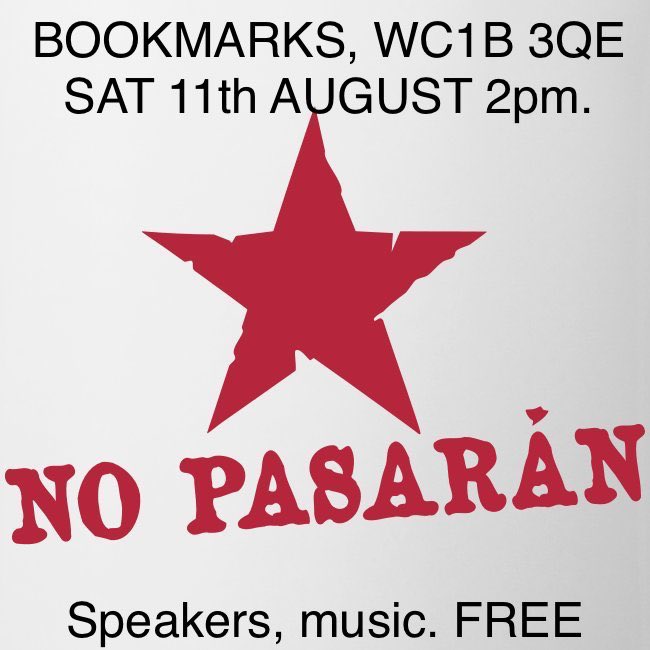
SAT, AUG 11 AT 2 PM

Solidarity Day. We Will Not Be Silenced! Bookmarks 1 Bloomsbury St· London WC1

Articles

London Beard Week- Jeremy Corbyn & Charles Darwin join Best Ever London Beard vote

In Uncategorized on August 8, 2018 by kmflett

Beard Liberation Front

Media Release

8th August

Contact Keith Flett 07803 167266

London Beard Week- Jeremy Corbyn & Charles Darwin join Best Ever London Beard vote

The Beard Liberation Front, the informal network of beard wearers, has said that interest in the second London Beard Week which ends on 11th August is bristling

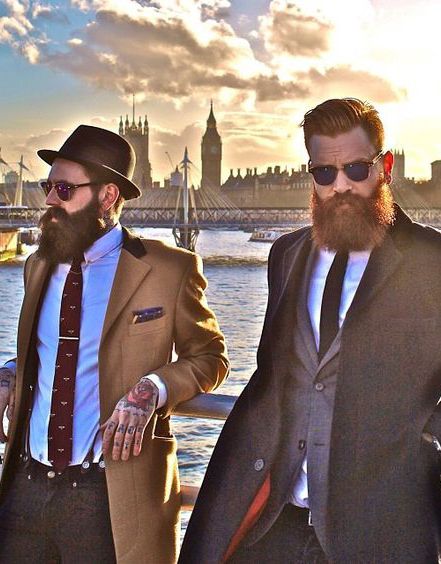
The week is a celebration of London, now one of the most beard friendly Capital cities in the world, and of London’s great hirsute heritage from Charles Dickens to Karl Marx.

The week coincides with CAMRA’s Great British Beer Festival at Olympia and wider beer related events associated with it. The campaigners say that a rise in the interest in craft beer in London, there are now over 100 breweries within the M25, has led to a massive increase in beard wearing.

As part of the week the BLF is running a poll to find the most impactful and impressive figure with a beard who is or has been associated with London.

The poll ends at midday on Friday with the winner announced on Saturday. In the final period of voting write-in votes have seen Labour leader Jeremy Corbyn and naturalist Charles Darwin join the poll

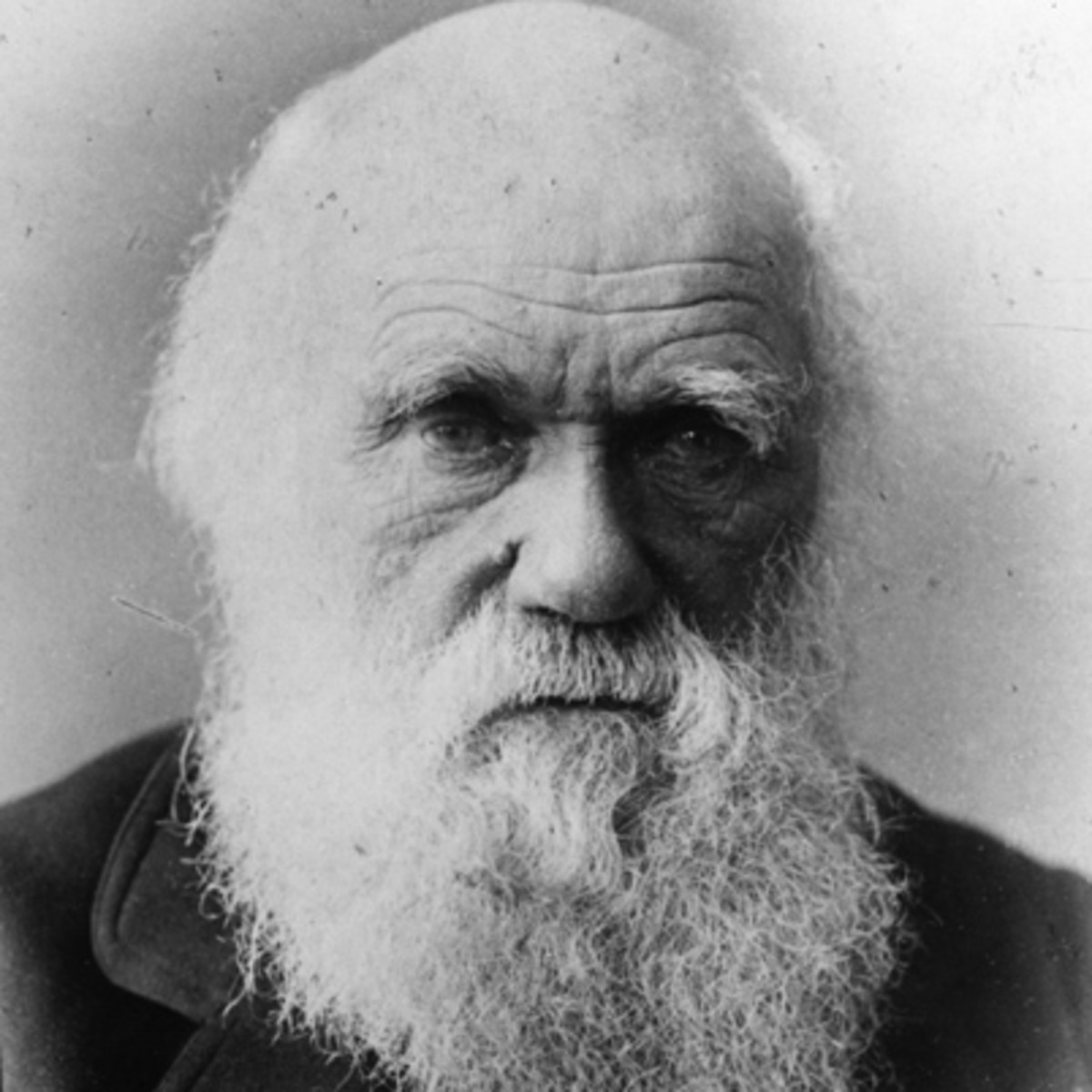
BLF Organiser Keith Flett said, there has been huge interest in the Beard of London poll. Karl Marx leads, but can Charles Darwin of Jeremy Corbyn shave him for the title

The best ever London Beard

Sigmund Freud, d Hampstead

Darcus Howe, anti-racist campaigner

Bernie Grant, Tottenham MP

Charles Dickens, author

Karl Marx, philosopher and activist

Jeremy Corbyn, Islington North MP

WG Grace, cricketer d Mottingham

Michael Rosen, broadcaster

William Morris, socialist & designer

Harry Kane, footballer b Walthamstow

Jeremy Corbyn, Islington North MP

Charles Darwin, naturalist, buried Westminster Abbey


Articles

150 years ago (10th August 1868). Karl Marx on Brexit & the English seaside

In Uncategorized on August 8, 2018 by kmflett

150 years ago on 10th August 1868 Karl Marx wrote to Ludwig Kugelmann, the German social democrat:

https://www.marxists.org/archive/marx/works/1868/letters/68_08_10.htm

Unfortunately for Marx, despite his liking for beer, it was many years before the Great British Beer Festival could provide an early August diversion.

Instead he noted:

My family is at present at the seaside which was the more necessary as both the girls were very weak after their illness

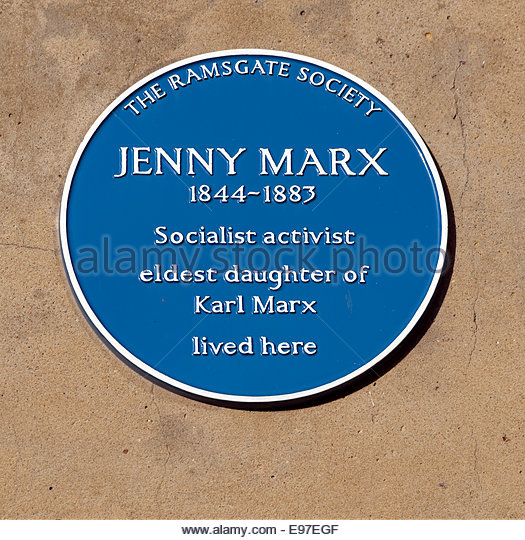
Marx was keen on both Ramsgate and Margate as seaside destinations but on this occasion his family had headed off to Ramsgate

He also noted, prefiguring views on Brexit by 150 years:

I hope very much that the state of my work will permit me to leave London for good and go to the Continent next year, at the end of September. I shall break away as soon as I can dispense with the Museum here. The dearness of living here is becoming more and more burdensome as time goes on. It is true that the pettiness of conditions over there is not much to my taste

It was a should I stay or should I go statement.. His landlord was pressing him to pay some bills..

Articles

London Beard Week poll: which is the most hirsute area of the Capital?

In Uncategorized on August 8, 2018 by kmflett

Beard Liberation Front

Media Release 8th August

Contact Keith Flett 07803 167266

London Beard Week: which is the most hirsute area of the Capital?

The second London Beard Week runs from 6th-11th August and is designed to highlight the place of London as a leading world centre for beard wearers. A poll to find the best ever London beard currently has Karl Marx in the lead with W G Grace and Charles Dickens challenging.

Another issue however is in which part of the Capital are you likely to see the most (and arguably) the best beards?

The Beard Liberation Front is running a London Beard Week poll to find out


Articles

Campaigners say beard numbers down at CAMRA’s Great British Beer Festival

In Uncategorized on August 8, 2018 by kmflett

Beard Liberation Front

7th August

Contact Keith Flett 07803 167266

Campaigners says beard numbers down at CAMRA’s Great British Beer Festival

The Beard Liberation Front, the informal network of beard wearers, has said that the first day of the Campaign for Real Ale’s Great British Beer Festival at Olympia has seen a decline in beard wearers attending for the first time in many years.

The campaigners say that while the event was as usual packed with beer drinkers and there were some magnificent beards on display the general level of hirsuteness was significantly reduced.

The BLF says the decrease in hirsuteness can however be easily explained:

The hot weather has led some beard wearers to shave their facial hair. While this is not encouraged by the BLF it is permitted.

The gender balance of the festival is now much better and this means the proportion of men with beards is less

A layer of people with hipster beards associated with the craft beer movement have stopped attending the Festival preferring other events

BLF Organiser Keith Flett, there are still great beards at the Great British Beer Festival but we are hopeful that the slight overall decline will end the lazy media stereotype that the festival is all about very large men with beards drinking pints of beer. It most definitely is not.

Articles

Drinking Greene King beers at the Great British Beer Festival

In Uncategorized on August 7, 2018 by kmflett

Drinking Greene King at the Great British Beer Festival

When the news that Greene King XX mild had won the Champion Mild of Britain Award at CAMRA’s Great British Beer Festival on Tuesday there was apparently some booing. I was at the GBBF on Tuesday but happy to check the Champion Beer results on my phone elsewhere in the festival.

Anyway Greene King and CAMRA will survive the booing and it can be understood. Internationally speaking GK may not count as Big Beer but they are certainly part of the UK Beerage. That is they back the Tory Party.

The history of GK in terms of who has run it is fascinating because it is a snapshot of a slice of the British ruling class, with the possible exception of the novelist Graham Greene.

Furthermore GK acts like Big Beer. It churns out IPA and Abbott and variants of (some of which are quite drinkable btw) and while it can and does produce great beer this is rarely seen.

As Roger Protz noted, for whatever reason the GK bar at the GBBF does indeed have great beer (and some deckchairs).

The XX mild, has an uncertain current brewing provenance I think but the third I tried was on top form. The Vintage Ale a rare cask version of the 6.5% bottled beer brewed with Chevalier malt was raisiny in taste and again very drinkable for a third. The 12% 5X oak barrel aged beer was superb if for sipping only,

Don’t expect to see any of these beers down your GK local but all were very good and the GBBF runs until Saturday at Olympia.

On the wider front the ability of otherwise Big Beerish breweries like GK to keep producing decent beer is part of what CAMRA has achieved. But we need to keep on pushing:

The Great British Beer Festival, Big Beer & the Red Revolution


Articles

The Great British Beer Festival, Big Beer & the Red Revolution

In Uncategorized on August 7, 2018 by kmflett

The return of Big Beer: the lessons of the Red Revolution of the 1970s
Roger Protz could be forgiven for saying, ‘I told you so’ after he had warned about the threat of Big Beer to lovers of good beer cask or keg in the introduction to the 2018 Good Beer Guide, when the news that Heineken had acquired a substantial share in one of the highest profile UK craft breweries, Beavertown, was announced in June.

The ferocity of the reaction amongst a small layer of drinkers and craft brewers suggested, in part, not so much a concern for decent beer but a class war between different bits of small and large capital over the future of brewing. Is it a war that sides should be taken in? Probably, but in any war tactics and strategies are key, as is an understanding of who the enemy is, and what its profile is.

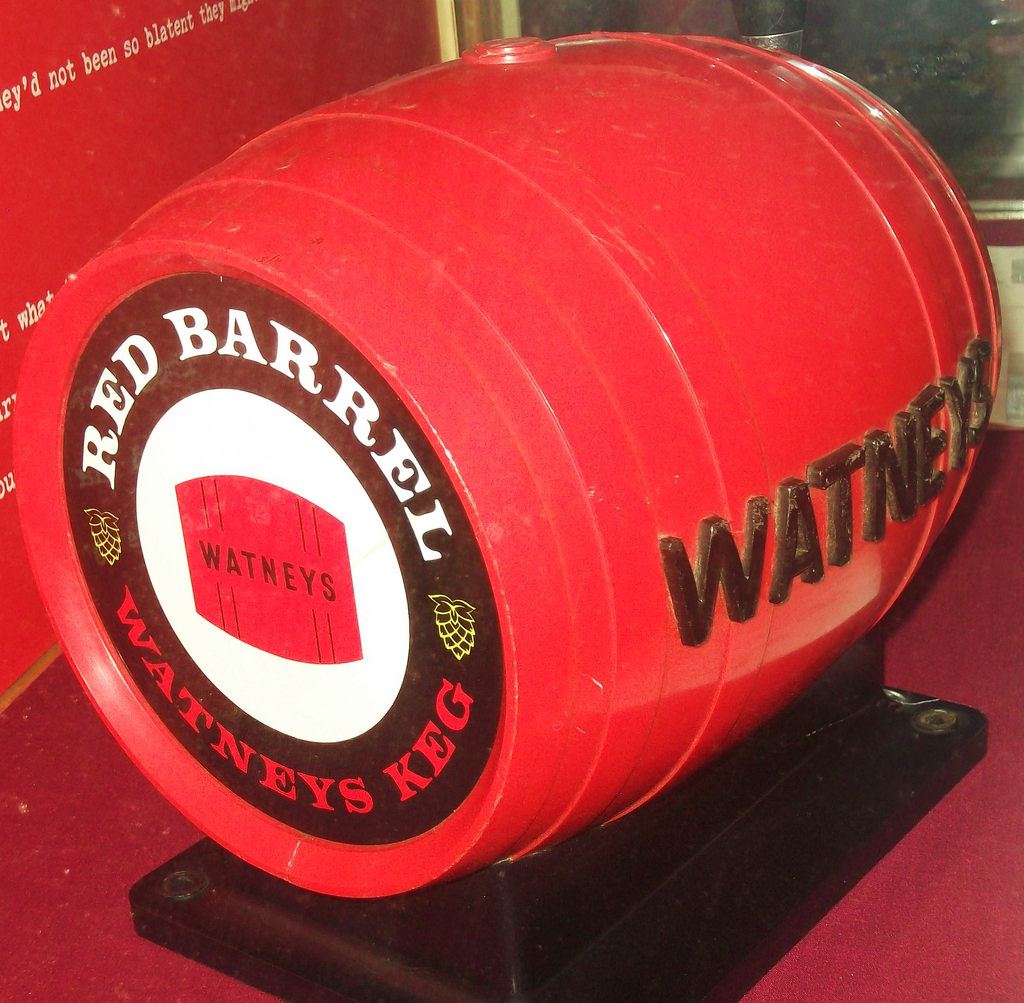
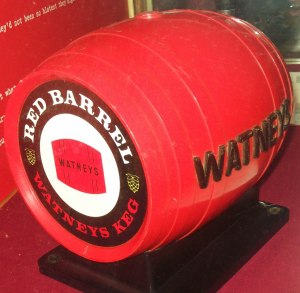
As Protz, and indeed myself, are old enough to remember we have been here before and the results were mixed. On the one hand we got the undrinkable Watney’s Red Barrel keg beer. On the other had we also got the appearance of the Campaign for Real Ale which almost certainly saved decent beer in the UK for a generation or two.

Now the battle is on again.

In the 1950s and 1960s Big Beer tended to mean just that. Large brewing companies taking over and shutting down smaller ones. Two of the big players in the UK market in 2018, Heineken and ABInBev, are worldwide beer companies but capital investment and takeovers can come from outside the strict brewing sector nowadays. Perhaps from food or leisure companies seeking to diverse their businesses for example. When it comes to it, for these capitalists beer is just a commodity like any other.

Most people who enjoy drinking ‘craft’ beer in 2018 have little knowledge of the brewing battles of 50 and more years ago when they were, in most cases, not even born. Details are of course available but mostly in specialist books which are to be found only in academic libraries.

I want here to review the rise of Big Beer after 1945 in the UK.

In 1903-4 at the beginning of the twentieth century the UK had 11,752 brewers. The impact of two World Wars and the depression of the 1930s saw that figure reduce to 567 in 1949-50. Then began the period of consolidation that led to the first wave of Big Beer. By 1963 there were 304 breweries and in 1993 there were just 93 surviving breweries. We might call that Peak Big Beer.

The concentration of brewing by means of larger brewers taking over and closing smaller ones began in the early 1950s when the Big Brewers had 25% of the market and by 1976 they had 56%. The names of the Big Beer outfits of the 1970s may be familiar to some: Allied, Bass-Charrington, Courage, Scottish and Newcastle, Watney/Truman, Whitbread and Guinness. Such is the dynamic nature of capital that while some of the beers brewed by these companies are still available- Draught Bass for example- actually only Guinness remains with the same ownership and structure it had 40 years ago. That is something worth keeping firmly in mind when it comes to the future of craft beer.

Beneath this were the trends in the brewing and drinking of beer that facilitated the rise of Big Beer. The entry on a significant scale of old style keg beer took place between 1965 and 1975. This beer replaced cask or real ale in many cases. The cellar skills of many post-1945 pub owners were not great and cask was often served in indifferent condition. Hence a popular drink of the 1960s and 1970s was a light and bitter. A half of cask ale topped up with a bottle of brewery conditioned bottled light ale which helped to mask the less than palatable taste of the cask.

The old-style keg was pasteurised in the brewery and had to be served under pressure in the pub to add back in the carbon dioxide which cask beer produces naturally through secondary fermentation in the barrel. Without the gas keg beer would be as flat as a cup of tea.

Over time the beer also came to be served chilled or cold, certainly cooler than the 12C which was at the time thought to be the optimum temperature for cask beer (modern taste is more like 10C). This was particularly so as British brewed lager came to dominate the keg market. The thinking was that fizzy, cold keg tasted of little hence it was ideally suited to those who didn’t particularly like the taste of beer and particularly the bitterness of some styles of traditional beer. For those that wanted some kind of taste (but not a bitter one) lager with a dash of lime cordial became a popular drink.

The real motor of the keg boom was the Red Revolution launched by Watneys in 1971. Unfortunately, even if the advertising material suggested differently, the revolution the company had in mind was not a socialist one, but rather in the scale of their profits. Watneys Red had actually been a perfectly drinkable cask beer in the 1960s but what was involved here was the creation of a beer brand.

It is perhaps a salutary warning for the new wave of Big Beer in 2018 that it did not work. The activity of the early Campaign for Real Ale successfully marked what it called Grotny’s fizzy beer as something that no discerning beer drinker would go anywhere near. Watneys had created a brand with Red Barrel certainly but it was a brand with a negative image.

Hence by the later 1970s Watneys started to introduce in its pubs what it called Fined Bitter (that is cask beer). Obviously the defeat of its Red Revolution hurt and initially the beer came in converted kegs and was sold by hand pumps using air pressure.

The point for today is however clear. Drinkers if organised in a campaign can push back the plans of Big Beer. Its not always Big Beer as such but whether or not it produces drinkable beer that was the key in the 1970s and perhaps again now. After Watneys reluctantly returned to cask the heat went off it to an extent.

That by the way is why the Great British Beer Festival which runs at Olympia from 7th August is so important. It is the front end of a campaign that grapples with Big Beer. It does so imperfectly and it itself far from perfect. There is however no other campaign

A version of this appears in Culture Matters

Roger Protz has written on Big Beer in the 1970s here:

http://protzonbeer.co.uk/features/2018/08/24/40-years-on-big-beer-still-rules-the-roost


Articles

Splits from the Labour Party: what happened to the SDP MPs who split in 1981?

In Uncategorized on August 6, 2018 by kmflett

Splits from the Labour Party: what happened to the SDP MPs who split in 1981?

The media is again full of reports of a small number of Labour MPs (& possibly an even smaller number of Tories) splitting from their respective Parties to become part of some other formation.

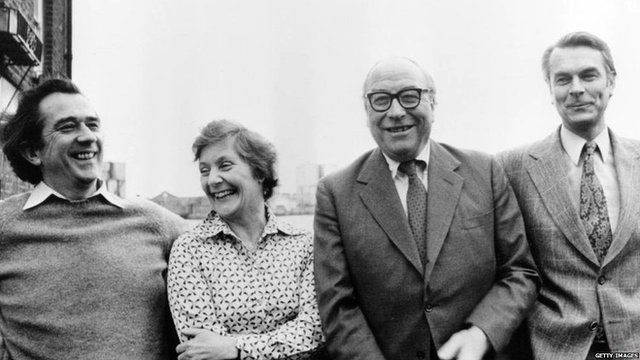
As Denis Healey noted of the SDP the main impact of its 1981 split was to put Mrs Thatcher in office for a considerable period and delay the arrival of New Labour by around 15 years. That is of course only one perspective but a useful one in terms of the MPs likely to be involved.

It is a considerable subject going back to 1931 and I’ll post on it further but it is worth considering what happened to those MPs who split in 1981 to form the SDP

A list (possibly not comprehensive is here):
https://en.wikipedia.org/wiki/List_of_Social_Democratic_Party_(UK)_MPs#

Of the 28 Labour MPs who split in 1981 only 4 Cartwright, Maclennan, Owen and Wrigglesworth held their seats at the subsequent General Election in 1983.

Its worth keeping in mind that we still have the electoral system that produced that outcome, so, I for one will not be off down the bookies to place a bet on a different outcome

There is much else to be said but its an historical perspective worth keeping in mind in the current period.