
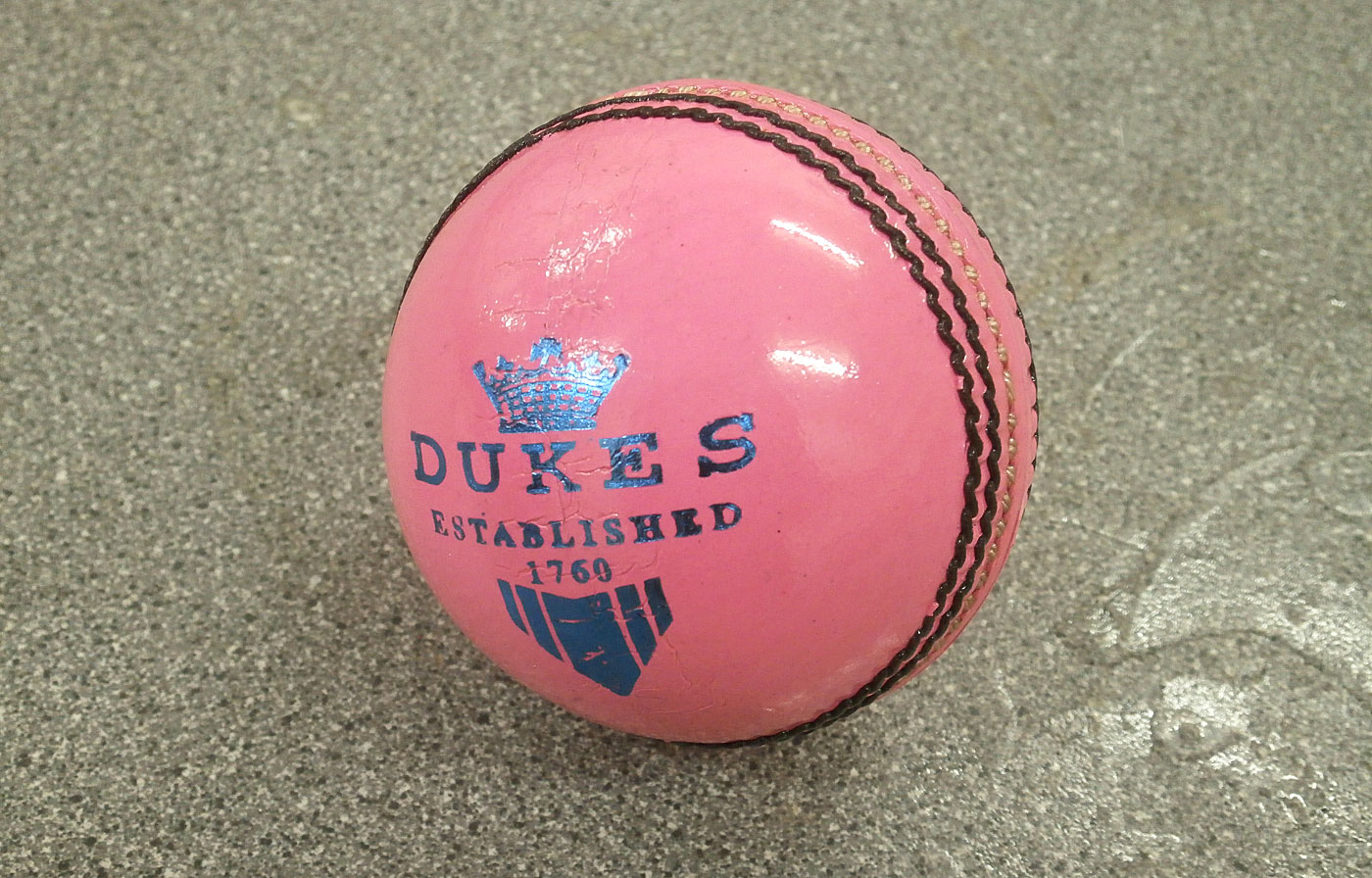
Its too early to say obviously but as someone who has an abiding interests in crowds, when and why they appear and when they dont (quite important if you organise meetings and protests as I’m sometimes charged with doing, and vitally important to people who promote events commercially) there is still interest even after just one day as to whether day-night Tests work in terms of people attending.
Geoffrey Boycott, who may not have invented the idea, but was obviously one of the first to think of it.. told Test Match Special in 2015 that cricket is a product that has to be sold to people. If Tests (outside of London anyway) suffer in terms of attendance when people are working during the day, why not have them on later?
Day-Night Test Matches: did Geoffrey Boycott think of it first?
The Guardian report of the first day at Edgbaston is here:
I’m not sure why drinking at a Test Match is worthy of so much comment, though I no longer do it myself (except at Lords where you can take drink in) as the kind of beard friendly beers I like are not sold at matches.
More interesting is the view that the ground was emptier at the last hour (up to around 9.30pm) than it was at 2pm in the first hour.
During a day Test Match the ground would often not be as full as all that at 2pm because many people would still be having their lunch and, er, drinking. With the traditional 11am start, mostly you’d expect the ground to be full by midday (if it was going to be).
What to make of the declining numbers in the evening?
People often travel a distance to a Test so perhaps it was just transport logistics and after all unlike a T20 no result was going to occur on Thursday night. Perhaps also it being a Thursday some had to be up early for work the following day.
We shall see further as the Test Match goes on, but the crowd and when it appears is perhaps as interesting here as the cricket itself


Leave a Reply