
The Queen & Old Corruption
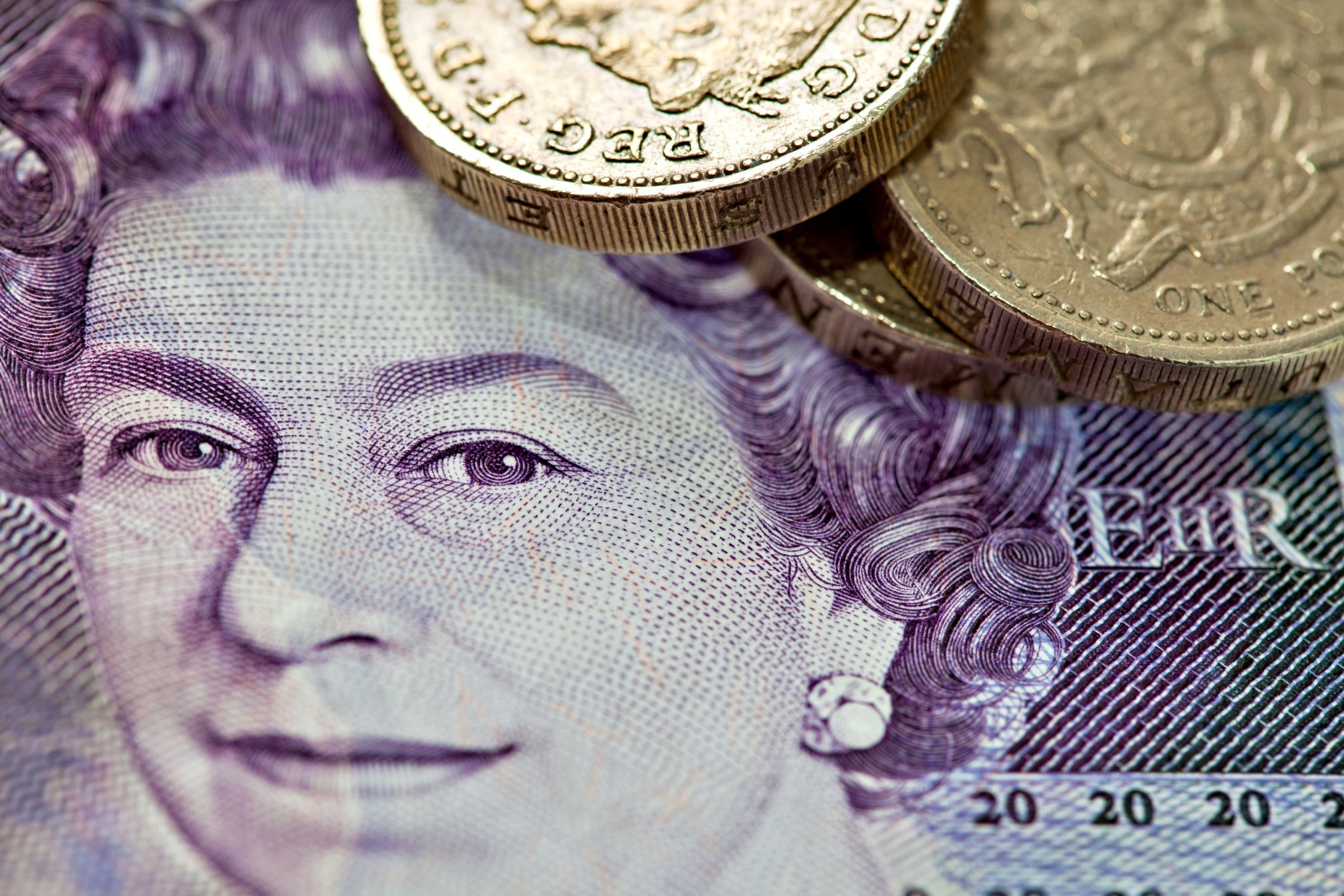
With new revelations that a number of the most wealthy people in society, including the Queen, have managed to stay very wealthy while others have had to face austerity and declining living standards, by using offshore tax avoidance devices it is time to revisit William Cobbett’s Old Corruption once again.
It does not refer necessarily to personally corrupt practices but rather to a political system that is corrupted from its apparent values.
The term was originally publicised by the radical Tory farmer and writer William Cobbett and he used it to refer to Government practices in the unreformed pre-1832 Parliament and Government.
Cobbett’s critique of how people came to be appointed to office and benefited from it was a moral not an economic one. He was challenging the way the system was run, not the basis of the system. Far from all of Cobbett’s views were progressive but his denunciation of sinecures and placemen was effective.
There the matter might have rested had not the late socialist historian E.P Thompson made a good deal of the term Old Corruption in his writings in the 1960s.
Thompson saw, as people do now, that protestations of democracy and accountability in the political system were more for show than they were to be taken seriously in practice.
In the Peculiarities of the English (1965), Thompson explained why the practice of Old Corruption caused such resentment in the late eighteenth century:
‘it alienated the sisters and the cousins and the aunts of those who had not obtained preferment, the officers who had not been promoted, the clergy who had not found patrons, the contractors who had not obtained orders, the talented who had been passed over, the wives who had been snubbed’.
People who have little choice but to pay their taxes and may in many cases see positive benefit to society in so doing, query why it is that some of the wealthiest in society, because of their social position may have been able to benefit at some point from not having to pay taxes.
All in it together then? Again it would seem not.
Perhaps we should leave the last word to William Cobbett. In Rural Rides he was clear who caused problems for the working poor: ‘..placemen, soldiers, parsons, fundholders, tax gatherers’. That is people like Mr Cameron who grow rich from the hard work of others


Leave a Reply