
EP Thompson, spies & the Freeborn Englishman
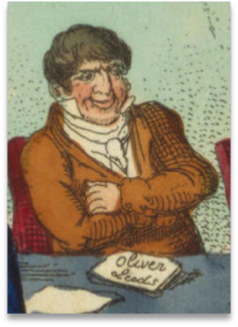
Oliver the spy
The unfortunate events in Salisbury which have left 3 people ill in hospital and many others concerned for their safety have also raised the general issue of spies.
The late historian EP Thompson had a particularly important perspective on how spies were viewed in Britain generally.
Thompson was spied on himself by the security services from after 1945 certainly up to 1963 (where most official documents are now available at the National Archives). Perhaps needless to say Thompson was not involved in anything untoward unless you view trying to democratise society and advance socialist measures in that light.
Thompson however was the historian above others who revealed the origins of Government spying in the modern British State, discussing the activities of Oliver the Spy in the Making of the English Working Class. The State was concerned about the activities of the Luddites in the early years of the nineteenth century and sought to infiltrate them.
Thompson by contrast drew attention to the Freeborn Englishman, someone who cherished liberties, albeit limited ones, (for most the vote did not come until much later in the nineteenth century or even 1918). More particularly he did not like being interfered with either by his own State or by the agents of other States.
Thompson summarised the perspective in this introduction he wrote to the Secret State (1978):
By the end of the eighteenth century, this was an all-pervasive Whiggish rhetoric, shared by Tories, Whigs and Radicals alike. Moreover, it was a rhetoric taken over and applied to greatly more democratic ends, by the rising popular reform movement. The parliamentary oligarchs wished to contain their debates within the privacy of the walls of parliament; they did not wish the British people to overhear how their governors talked, in private, about them. Wilkes and the printers defied ‘the law’ and breached this privacy; we owe Hansard to this defiance. In area after area, the ‘common people’ insisted that the civil rights of the ‘freeborn Englishman’ were not the privileges of an elite but were the common inheritance of all: freedom of press, speech and conscience, rights of assembly, inhibitions upon the actions of military or police against crowds, freedom from arbitrary imprisonment or unwarranted arrest and entry upon private premises. The insurgent British working-class movement took over for its own the old Whiggish bloody-mindedness of the citizen in the face of the pretentions of power. Even when labouring under the manifest class discrimination of the Combination Acts, the secretary of an illegal trade union branch of framework knitters in Mansfield in 1812 was able to protest against a clause in a Bill proposed by the workers’ representatives themselves, which authorized the search for shoddy goods in the houses of manufacturers : ‘if iver that bullwark is broke down of every english mans hous being his Castil then that strong barrer is for iver broke that so many of our ancesters have bled for and in vain.’ The workers had appropriated the democratic precedents and practices of past generations for their own; the ancestors were not ’theirs’ but ’ours’.


Leave a Reply