
12th June 1848: the day the State moved against the Chartists in East London
It’s the 178th anniversary of the Chartist rally for the vote on 10th April 1848 on Kennington Common. Traditional historiography has long suggested that it was all a disaster, the Chartist challenge fell apart and there ended Britain’s role in the Year of Revolutions.
Well, not quite.
In fact the Chartist Challenge grew in strength after April 10th and after the Government had announced in late May that it didn’t think that the people wanted the People’s Charter, mass protests were planned for Whit Monday, 12th June 1848, 178 years ago.
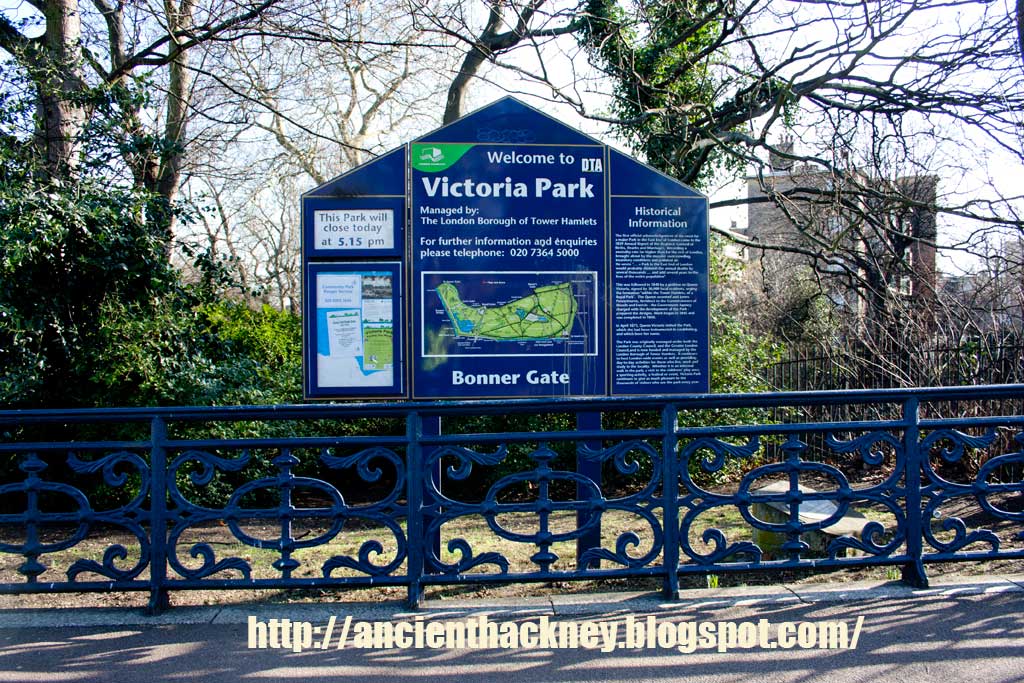
The London protest was to be held in Bishop Bonner’s Fields in Bethnal Green, an area which is now close to Victoria Park.
The Government was at least as concerned about the possibility of a challenge to State Power on 12th June as it was on 10th April 1848.
The Whig (Liberal) Home Secretary George Grey wrote to Queen Victoria ‘the police had orders to prevent all processions in London, as well as meetings held at unacceptable hours or under situations that might cause undue alarm. Those who drilled or made violent speeches were to be arrested’.
He also updated Queen Victoria that reassuringly Government investigations had revealed that the Chartists were armed ‘only to a certain extent’ and that arms consignments from Birmingham had in fact been despatched to revolutionaries on mainland Europe.
On the day it rained heavily which certainly would not have helped the Chartists. However Bishop Bonners Fields were occupied by 1600 police, 100 mounted police, 500 pensioners (former soldiers not bus pass holders) and Horse Guards. Overall in East London on 12th June 1848 there were 5,000 troops.
Unsurprisingly the Chartist rally did not take place, not helped by the fact that the key leader of the Chartist left Ernest Jones had been arrested a few days earlier for a speech which the Government claimed contravened the Treason Felony Act, passed in the Commons on 10/11th April 1848.
The Guardian commenting on the matter in its edition of 14th June 1848 urged ‘vigour and determination’ to end such meetings’.
The diarist Charles Greville who was Clerk to the Privy Council and a confidant of Queen Victoria noted that a mood was growing that the Chartist protests were so annoying that the army would be needed to shoot them.
In reality the day passed, although in Bradford the Chartists took local power for a period, but the Chartist challenge of 1848 was far from ended on 12th June


[…] https://kmflett.wordpress.com/2018/06/11/12th-june-1848-the-day-the-state-moved-against-the-chartist… […]