
The traditions of protest, groans, effigies and Donald Trump
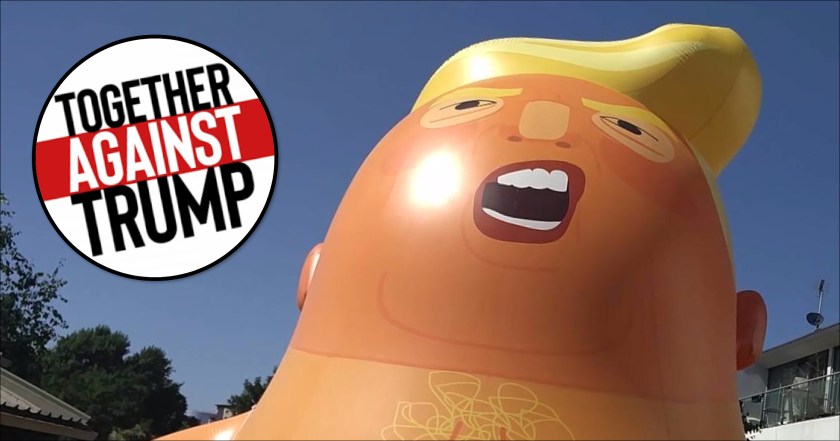
The decision by London Mayor Sadiq Khan to agree that a giant effigy of Donald Trump as a baby complete with nappy can be floated above central London when the ‘orange moron’ visits next week has mostly been applauded.
One critic was of course Nigel Farage who continued his own tradition of being entirely ignorant about more or less anything by failing to spot that the parading (and sometimes burning) of effigies of unpopular figures is in fact a great British tradition.
The most frequent day for this (as now) was November 5th but in the nineteenth century effigies were much more varied than Guy Fawkes.
The tradition of effigies and sometimes the burning of them fed into the wider area of charivari or rough music a wider form of protest, involving discordant music and general uproar.
According to Robert Storch in reaction to the 1872 Licensing Act it was almost decided in Exeter to burn an effigy of the Home Secretary but instead there was a chorus of groans. From the 1870s Storch notes shopworkers burnt effigies of employers who refused to join in with early closing times
As late as 1887 an inmate of Chelsea Workhouse was charged with making an effigy of the master as a protest about poor food. The judge in the Police Court, aquitting the inmate, told the master ‘public characters like you don’t mind a little ridicule. It’s the penalty of greatness.
So perhaps Donald Trump will grasp that the effigy of him as a baby is just another of the many compliments that he is paid, or, more often, pays himself
Keith Flett convenes the socialist history seminar at the Insitute of Historical Research


Leave a Reply