
There has been an exchange between Daniel Finkelstein and ALan Rusbridger about whether Peterloo was or was not a turning point in British history and hence should or should not be included as a core part of the school history curriculum.
Why Alan Rusbridger is right & Daniel Finkelstein is wrong on the importance of Peterloo
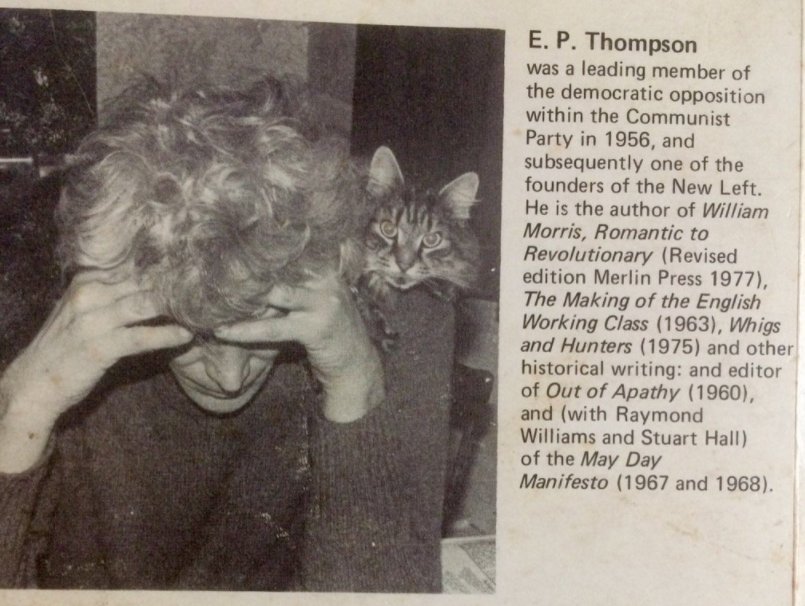
EP Thompson addressed the matter 60 years ago and below is an extract from the article where he did so:
The larger questions posed by Peterloo still remain unanswered. Why has the word echoed ever since in our history? How far was it a defeat, how far a moral victory? How far does it represent a turning-point, which forced the Whigs and the unrepresented middle-class to come forward as reformers “to rescue the multitude out of the hands of the Hunts and Thistlewoods”. (Life of Wilberforce, V, 37). How far did the revulsion which it caused restrain Old Corruption from using the same tactics between 1830 and 1832? If it was a victory for repression, why was the victory not complete? What toughness was there within our democratic traditions which enabled them to withstand the shock of Oliver and the Derby beheadings, August 16th and the Six Acts? How was it, despite these Acts, that Cobbett continued to write, and reformers to organise and meet?
Strikers or agricultural labourers might be fair game; but never since Peterloo has authority dared to use equal violence on a peaceful British crowd. Even Bloody Sunday saw a violence which was carefully controlled; the real thing has been reserved for Amritsar or Nicosia.
EP Thompson, God, King & Law. The New Reasoner Winter 1957/8
https://www.marxists.org/archive/thompson-ep/1957/peterloo.htm


Leave a Reply