
The Times Editorial 9th October 2018 & EP Thompson’s ‘condescension of posterity’
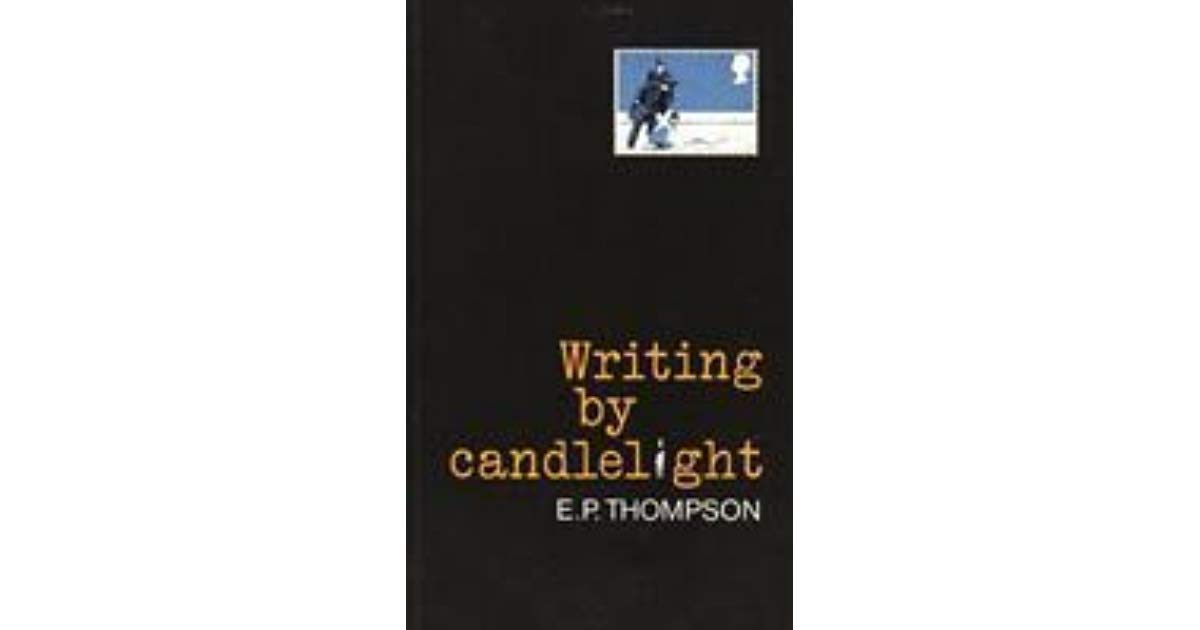
The historian EP Thompson (1924-1993) wrote occasionally for the pre-Murdoch Times. He produced 1000 words on the case for leaving what was then the EEC in 1975 for example. As often he was to be found satirising the concerns about strikes and Marxists that appeared from time to time in the Times letter’s page. One of those pieces, Sir, Writing By Candlelight, was taken as the title of a volume of short pieces (long out of print).
Its difficult to imagine Thompson getting on well with the Murdoch Times, but the Editorial on 9th October quotes approvingly a line from the Preface to the Making of the English Working Class (1963/68) about the ‘enormous condescension of posterity’ which historians have sometimes used when considering the case of those whose causes were not on the winning side in history.
The Murdoch Times might reflect before denouncing in its columns most ideas, plans and schemes to make the world a better place for the many.
The reference in The Times Editorial is to a new documentary on the early years, in the 1960s, of the late David Bowie’s career and a newly recovered view from an audition that Bowie had done to the effect that he was no good and would not get better:
LEADING ARTICLE
October 9 2018, 12:01 The Times
Cultural Incomprehension
David Bowie’s early stumbles show that bad reviews are a merely temporary setback
“No personality. Not particularly exciting. Will not improve with practice.”
These slighting judgments were made by the BBC’s “talent selection group” in 1965 after an audition by a group of young musicians. The band’s lead singer was David Bowie. The report, contained in the BBC archives, has been unearthed by researchers for a forthcoming documentary titled David Bowie: The First Five Years. Its incomprehension about a raw but outstanding musical talent will give encouragement to all those whose artistic strivings have, unfortunately, yet to win them recognition, fame and riches.
The historian EP Thompson coined the phrase “the enormous condescension of posterity” to refer to the received wisdom of later ages. Historiographical misjudgments pale, however, compared with the determined obtuseness of the present.
Thompson added an important rider to the well-known phrase, which Times’ Editorialists might also do well to consider:
Our only criteria of judgement should not be whether or not a man’s actions are justified in the light of subsequent evolution. After all, we are not at the end of social evolution ourselves. In some of the lost causes of the Industrial Revolution we may discover insights into social evils we have yet to cure… causes which were lost in England might, in Asia or Africa, yet be won


Leave a Reply