
Their Twelfth Night and ours
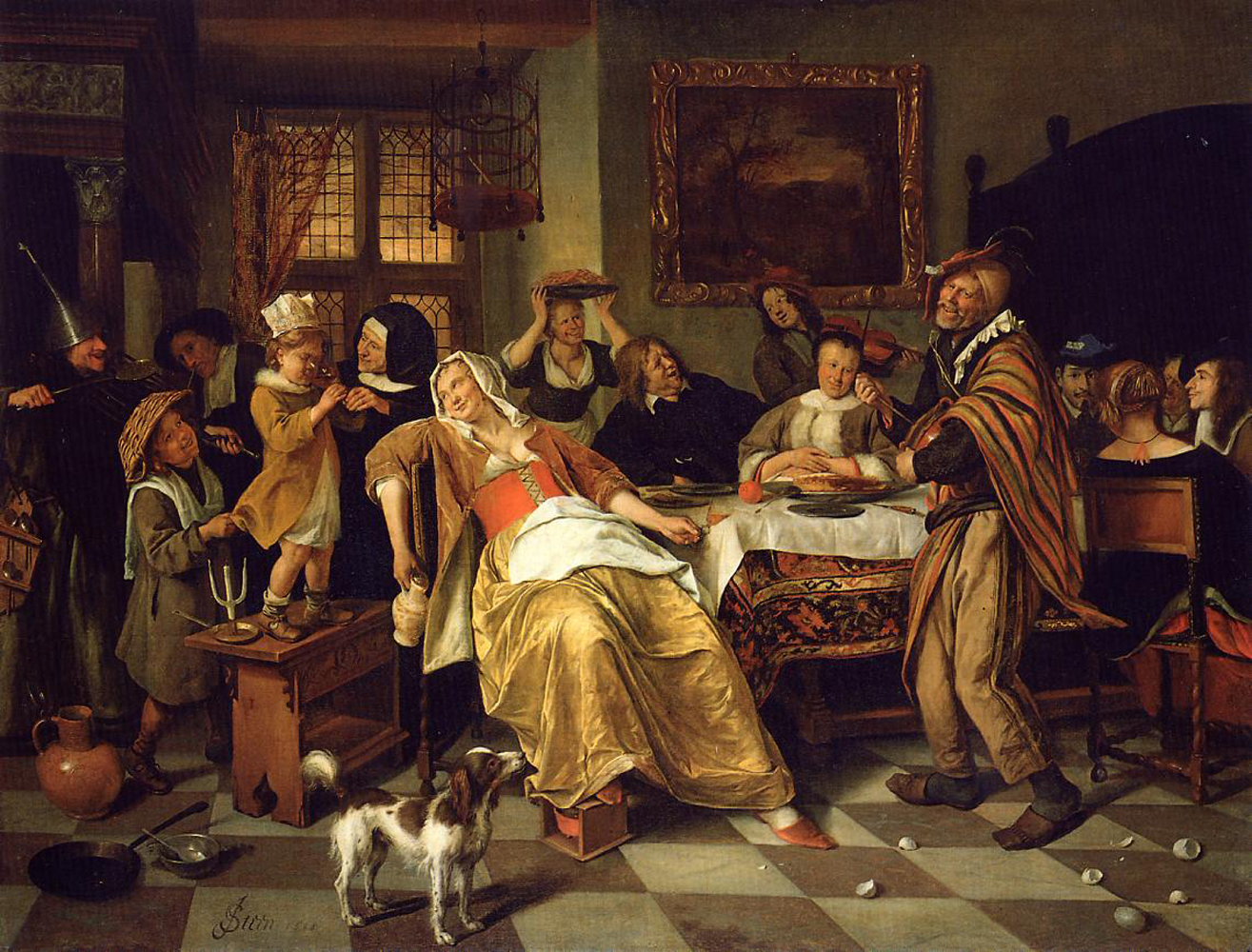
British socialist historians have paid some attention to the importance of folk customs (see EP Thompson Customs in Common)primarily as a way of understanding the roots of non-marketised ways of grasping value and importance in society and seeing if the traditions have continued to have any impact in more recent times.
Britain was the world’s first industrialised country and already by 1850 more than half the population were industrial workers rather than being reliant on the land for a living, either as peasants or agricultural labourers. Something there may explain the popularity of the Archers one suspects as a sort of reminder of a lost arcadia.
However the focus on custom and tradition has been patchy and that is certainly true of twelfth night.
I can’t I’m afraid offer any definitive thought on whether you should take down the Xmas decorations on 5th January or 6th January. The Church of England thinks it should be the eve of Epiphany (hence the 5th) but then leaves the decorations up to celebrate Epiphany. That is the thing about customs. They might be in common but they are often disputed.
Twelfth Night is part of a season of festival, carnival and revolt that starts on All Hallows Eve (Oct 31) and can end as late as Shrove Tuesday.
The appointment of a Lord of Misrule is connected with Twelfth Night but can occur earlier.
The title Lord of Misrule sounds radical but there is no mention of it in Christopher Hill’s The World Turned Upside Down’. Some commentary suggests that it was really more to do with poking fun at the established order the better to keep it in place, and in some cases- for example in New Orleans- it became firmly established with a celebration of the old- reactionary- order of things.
Less controversial is the tradition of wassailing and of having cakes and ale on Twelfth Night. Since it is Try January, why not do that. It does underline, if nothing else, how out of touch with seasonal traditions Dry January is.
This time of year is that of few hours of daylight and scarcity of fresh produce so things like cake and ale were and are welcome.
A tradition was to bake a cake with a bean, or possibly a pea or a coin in and the person discovering it in their piece of cake became the Lord of Misrule for Twelfth Night
There is a case I think for attempting to reclaim a radical tradition of the Lord of Misrule. A giant model of a naked Nigel Farage paraded through the streets sitting backwards on a donkey would add something to the sum of human jollity at this time of year after all.


Leave a Reply