
Histories of the present; how the Brexit debate has changed since 2016 (& how it hasn’t)
Guardian writer Aditya Chakrabortty brought an important perspective to what the terrain of a second referendum on EU membership would have to look like if a different outcome to the first was hoped for in a recent Guardian article. (Guardian 21.12).
https://www.theguardian.com/commentisfree/2018/dec/20/national-emergency-brexit-vote-westminster
There is an important back story to the matter. In the original referendum there were those who argued that while they accepted that the EU needed to be reformed Britain was still better in than out.
At least some of that was based on the concern that a leave vote would lead to a rise in racism (given some of the key leading Brexiteers were people like Farage and Johnson). That is not the same as saying that those who voted Leave were racist, some may have been, just as some who voted Remain will have been. However concern about increased racism was a key reason why I voted remain as did three-quarters of voters in Tottenham were I live. It is not the same argument as that around ‘free movement’. The EU currently allows free movement within its borders and rigorously blocks refugees outside of that framework where it can.
Others, looking at the recent experiences of Greece, queried whether it was possible to change the fundamentals of the EU. That debate has now largely disappeared and supporters of remain now appear, in the main, entirely uncritical of the EU, and are sometimes to be found waving EU flags on protests.
Chakrabortty is right that if the voices of those who think the EU as it is now is just great predominate in another referendum, should one occur, it will produce the same result as the first. As he argues, to achieve a different outcome requires a radical campaign led by Labour to show that a remain vote could be used to build a more progressive and equal country. Whether the EU would live with that is another matter and whether LibDem and other austerity obsessed Remainers would also live with such a campaign is also a big question. At best we might get a genuine political argument over not Europe but the structure of the EU that would be worth having.
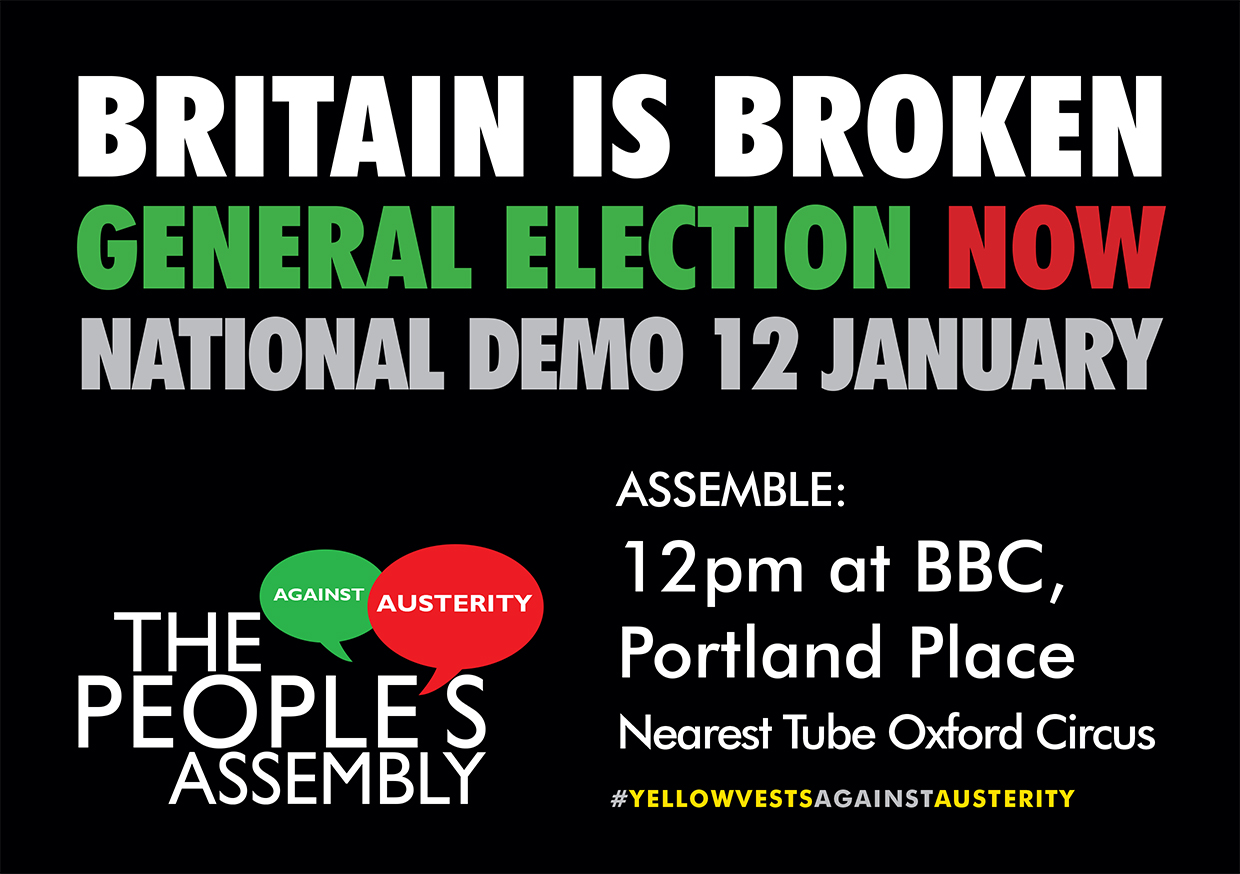
I’d prefer a General Election before any attempt to have a further vote on leaving the EU if there is to be one. A focus on opposing austerity and fighting racism has the potential to unite the progressive elements of remain and leave while a vote before an Election has a worrying potential to stoke division.
One might also suggest that anyone who genuinely hopes to remain in the EU really depends on a Labour Government prepared to start ditching austerity first. That is a perspective on those who argue that things have changed since June 23rd 2016 so another vote would produce a different outcome. At the moment not enough has changed to make that anything like an obvious outcome. We still have a Tory Government committed to austerity policies and an EU that has no particular issue with that approach. Both were issues in 2016 and that aspect of the discussion seems to have been lost in the intervening period on social media and amongst the vaguely left commentariat but not I think amongst those who voted leave as Chakrabortty rightly notes.
Histories of the present are contingent but still worth a thought.
Finally, just another reminder. I voted Remain in 2016
Guardian Editorial on a return to the people on Brexit:


Leave a Reply