
Letter Writing and the Making of the English Working Class: new historical evidence
In the Making of the English Working Class (1963) E P Thompson reviewed the standard of literacy of the labouring classes in the early nineteenth century.
He could only note, in his section on the Radical Culture, ‘it is difficult to generalize as to the diffusion of literacy in the early years of the century. The ‘Industrious classes’ touched, at one pole, the million or more who were illiterate or whose literacy amounted to little more than the ability to spell out a few words or write their names. At the other pole there were men of considerable intellectual attainment.
Thompson, a veteran writer of letters himself, wrote more about the politics of letter writing in Albion’s Fatal Tree and I’ll post further on that.
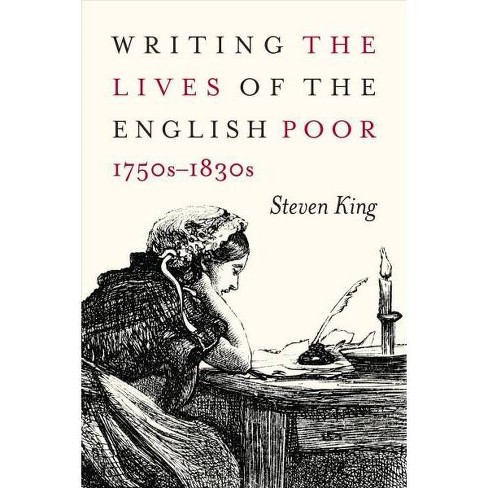
However a new book by Steven King, Writing the Lives of the English Poor 1750s-1830s (2019) suggests that Thompson may have exaggerated the rate of functional illiteracy.
King’s book is the product of 30 years research by himself and others into the letters written by the ‘deserving poor’ applying for relief under the pre-1834 Poor Law. There are, King notes, large volumes of these letters. They were not well written, but well enough produced to enable an individual enter into a negotiation about the amount of relief they should get and expect a response.
It suggests that the importance of letter writing in the first half of the nineteenth century among the working-class, even the less politically advanced sections, was more significant than supposed.
I’ll post further on this too…


Leave a Reply