
Post Panorama a reminder of the history of Jeremy Corbyn’s opposition to racism & fascism
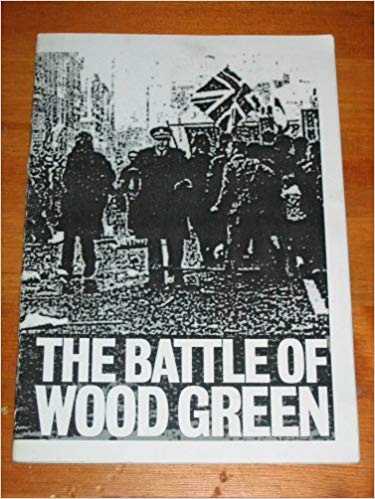
No doubt there will be a variety of views on the Panorama programme on 10th July which in part attacked Jeremy Corbyn’s record as an anti-racist and anti-fascist. I don’t think it accords with reality and below is an important part of the reason why.
Of course 1977 is a long time ago but on the 40th anniversary of the largely successful attempt to stop the fascist National Front marching in North London, Corbyn turned up and spoke at a large gathering on the spot where the NF had marched from.
Further he often refers to it, correctly, as an important part of recent labour history and is invariably to be found speaking at meetings and protests now that call out and oppose racists. Would that many of his opponents were so energetic in such an important cause
On 23rd April 1977 the National Front decided to march from Ducketts Common by Turnpike Lane tube in North London down a busy London High Road packed with Saturday afternoon shoppers. There were several thousand fascists but they were outnumbered by opponents, including many people out shopping, appalled that fascists were marching on the anniversary of Hitler’s birthday.
The National Front were an avowedly anti-Semitic party.
It would be bad enough now but this was a mere three decades after the end of the Second World War and numbers who had been actively involved in fighting Hitler were no doubt around on that Spring day.
In reality only a small part of the NF march made it to a concluding rally as it was broken by protesters.
40 years on 23rd April 2017* that day was marked with a festival to celebrate diversity and oppose racism on the very same Ducketts Common. The fascists never returned in any numbers to the Borough, but the fight against racism always needs to be maintained in each generation.
One of the keynote speakers on 23rd April was Labour leader Jeremy Corbyn. It was of course the kind of event that one might expect he would attend, but it is little bit more specific than that.
In 1977, before he became the long serving MP for Islington North, Corbyn was a trade union official and Labour Councillor in Haringey for the area adjacent to Ducketts Common. He is still remembered for the hard work he did then.
Part of that was to act as the co-ordinator for all of the local Haringey Councillors, including Tories on 23rd April.
The Councillors had called for the National Front march to be banned, recognising the provocation it was designed to be. The police had declined. On the day all of the Councillors assembled on Ducketts Common, before the fascists marched, holding a giant banner making clear they stood firm against racism.
But there was another group of people, anti-fascists, trade-unionists, socialists, who were determined that the National Front would not march. The main aim was simply to stop them by force of numbers but some physical engagement with the fascists was envisaged.
Using his influence Jeremy Corbyn was able to act as the spokesperson for both groups of people, presenting in effect a unified protest against the NF. Indeed the following week he was quoted in the local Hornsey Journal paper in just this role.
That day was one of the occasions that led to the formation of the Anti-Nazi League and the first huge Carnival in conjunction with Rock Against Racism at Victoria Park in May 1978.
Corbyn’s role in some of the events that led to the birth of the anti-racist and anti-fascist movement that did much to stop the National Front from becoming, as it threated to in the late 1970s, a major political force, should not be forgotten.
Given that it is not unknown for labour movement leaders to develop hazy memories of how they came to be leaders in the first place, it’s also good that the current Labour leader has not forgotten those days either.


Leave a Reply