
Memoirs of an office worker pre-Jacob Rees Mogg
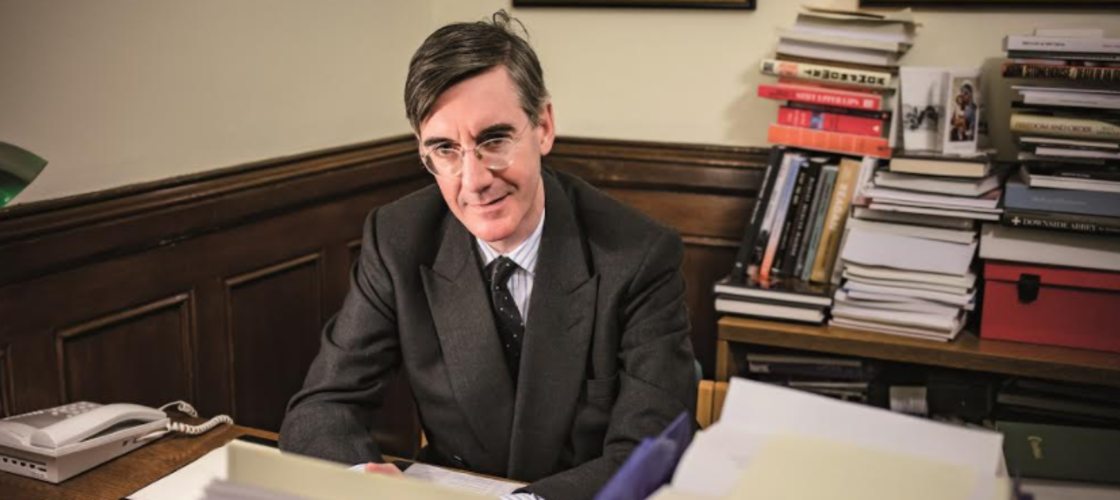
The new Leader of the House of Commons Jacob Rees Mogg has issued a guide to his staff in respect of the use of language and grammar. It includes things like when to use double spacing, when to address someone as Esq. etc.
However Rees Mogg who is 50 probably has at best limited experience of working in what we might term a traditional office environment pre not only e-mail and mobiles but fax machines and walk up copiers too.
In contrast I started work in 1979 in the UK Civil Service as a manager (I’m still at it btw) at what we can now understand was the last period of that traditional office.
Mr Rees Mogg could usefully add a good deal to his style guide if, as one suspects, he prefers to live in the past.
Language and grammar were not of huge importance in those days since it was simply not done for managers to type any form of document- few could type anyway (a brief hand written file note might be ok). By the late 1970s the office had progressed to ringing the dedicated typing pool on a special phone and dictating what you wanted to be typed. They would then type it and it would appear in your in-tray in a day or two.
In my case as even then I mumbled a lot the typewritten document invariably had errors which were usually corrected by applying correcting fluid and writing over in ink the correction.
There was a protocol for every occasion to avoid the need to think which could be dangerous and this I sense is what Rees Mogg is really after.
Envelopes were buff in colour and of standard sizes, A4 and A5 being the most used. Papers were placed in files (usually buff occasionally from memory green), coded and placed in a filing cabinet. (Some of this still goes on of course with legal and financial documents).
Particularly important was the colour of the tag to be used to associate papers together. I cant now recall what justified the use of green, yellow or red tags but I do remember that using an inappropriate tag was frowned upon.
Documents came and went only in the post (even within offices) and the desk would invariably have trays for ‘in’ ‘pending’ and ‘out’.
The desk would also have a blotter. A rectangular board containing white or green blotting paper. One used this to blot the fountain pen one was using, the days of mass use of the biro still being in their infancy at this point.
Copying of documents was problematic and the usual method was to make sure that a carbon copy of whatever document the typing pool had produced was kept and appropriately filed.
In short much scope for Mr Rees Mogg to issue further guidelines to his staff


Leave a Reply