
There has been much discussion in recent days about what, if anything, the British Constitution actually is, and what the Rule of Law amounts to.
Its not a new discussion.
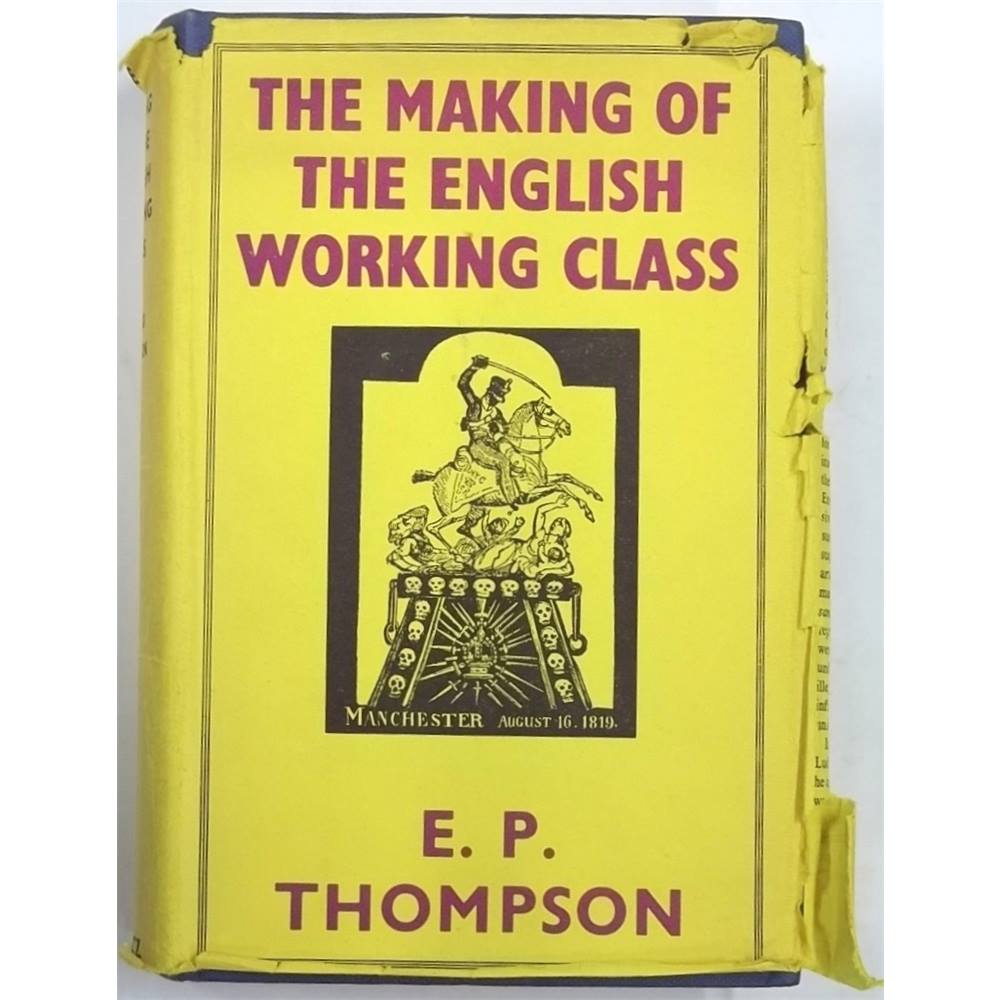
In the Making of the English Working Class, E P Thompson, discussed the meaning of the Rule of Law to those who fought for democratic rights in the late eighteenth and early nineteenth centuries:
‘If law is open to rich and poor alike, said Horne Tooke, so is the London Tavern: ‘but they will give you a very sorry welcome, unless you come with money sufficient to pay for your entertainment’. But the conviction that the rule of law was the distinguishing inheritance of the ‘free-born Englishman’, and was his defence against arbitrary power, was upheld even by the Jacobins. The London Corresponding Society, in an Address of 1793, sought to define the difference in status between the English commoner and the commoner in pre-revolutionary France: ‘our persons were protected by laws, while their lives were at the mercy of every titled individual..’
Something perhaps to remind the Tories about as they meet in Conference in Manchester this week


Leave a Reply