
Can you predict a riot?
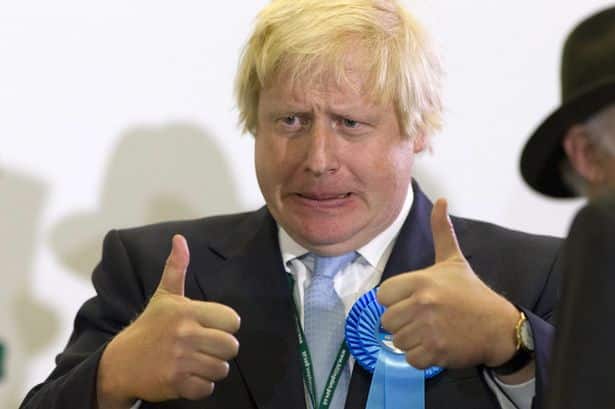
According to a recent front page of the Murdoch Times (not a source one should take too seriously) a ‘senior Cabinet Minister’ has claimed that there will be civil unrest and riots similar to the Gilets Jaunes in France (whose protests continue largely unreported in the UK) if Brexit doesn’t happen on 31st October.
The anonymous source was backed up on a BBC politics programme by the right-wing blogger Brendan O’Neill who not only predicted riots but argued they should take place.
Predicting riots is not such a simple matter however.
In North London after the 2011 riots there were no shortage of investigations. There was an official Government riot panel, a citizens inquiry and the Reading the Riots project sponsored by the Guardian and the London School of Economics.
This last had some historical framework around it- mainly the riots in American cities from the 1960s on- but otherwise an historical understanding was absent.
When history has been referred to it is often used to underline the unsurprising but unhelpful thought that while riots in history may have had important reasons, contemporary ones by definition do not.
The problem with this view is that when you do look at the history of riots the key thing is that while the causes may differ the actuality is very similar.
A crowd gathers, a melee occurs, windows are broken, occasionally properties are burned and even more occasionally people are actually hurt. That is hardly something to celebrate, but nor can it be ignored or simply brushed aside.
It is not the most effective form of protest, but when it takes place, it underlines that something has gone very wrong indeed
Likewise historically, and again this point has contemporary echoes, the State has been quite reluctant to intervene. A local figure of authority- a judge for example- arguing with rioters that they were better off not rioting has possibly had more impact than the use of force.
Definitions of what constitutes a riot-even before the Riot Act was abolished in 1973- were less than clear on what exactly was supposed to happen in the hour between its reading and the authorities actually dispersing any remaining rioters.
Equally problematic was how much force could legally be deployed- again echoed recently in debates about whether the use of water cannon would be appropriate. When London Mayor Boris Johnson bought some to deal with riots but found their use was banned,
The issue of whether a riot can be predicted has also become one of some importance in legal and financial terms.
Historically a division is drawn between the causes of riots- food shortages, local political issues and national protests, the nature of the riot that ensues and its predictability.
It has been an issue recently because at the moment only the police have the power to determine whether a riot has taken place or not.
If they decide it has then they, or the State, are liable for any costs that have arisen has a result of damage to property. If it has not then insurers must carry the liability under policies which exclude riot from being a cause of paying out insurance money.
I doubt if the police look too carefully at history books to determine the matter. Rather they will look at their budget.
Will Brexit or a delay to Brexit cause unrest and riots? To a large extent it depends on how authority responds to any issues or problems that do occur. Beyond that however it is not possible, whatever senior Tories think, to predict riots


Leave a Reply