
Beyond Scary to Subversive: All Hallows Day & the World Turned Upside Down
As you can hardly have missed 31st October is the commercial festival of Halloween, while the day afterwards is more traditionally known as All Hallows or All Saints Day. It is also Celtic New Year. The following day is then All Souls Day- the Day of the Dead which was a major festival of the Catholic Church in the West.
These festivals mark the changing of the season from summer to winter but there is a lot more to it than the piles of commercial Halloween tat and oversize pumpkins you can find in supermarkets. While a Guardian Editorial a couple of years back criticised the crass commercialism of the day as it is currently configured it seemed quite unaware that it has other meanings and ways of being marked.
Traditionally (see Steve Roth, Hamlet the Undiscovered Country) 31st October was the time when disruptive spirits roamed. That is reflected in Shakespeare’s Hamlet. The ghost appears on All Hallows Eve.
Roth notes:
All Hallows was also a time for election of “mock kings,” “lords of revels,” or “kings of misrule.” These lords would reign over the revels season through Christmas and Twelfth Night (5 January, another night of inversion and misrule), often ending their reigns at Candlemas (2 February) or Shrovetide (which had–and has–perhaps the greatest association with carnival and misrule).
31st October was a time of the carnivalesque, of festivities and the appointment of Lords of Misrule. In some parts of the UK November 4th is still marked as ‘mischief day’.
The Lords of Misrule would reign until at least Twelfth Night on January 5th and often until Lent.
They were not always as disruptive as they might sound. They were often a way of providing a safety valve in society to mock authority and important figures without actually in anyway challenging them. The reversal of roles, masks and rebellion were often play acting.
For example in Henry V Shakespeare depicted Sir John Falstaff as the Lord of Misrule. Falstaff is well loved Shakespearan character but I don’t think anyone expects him to lead a riot or a revolt.
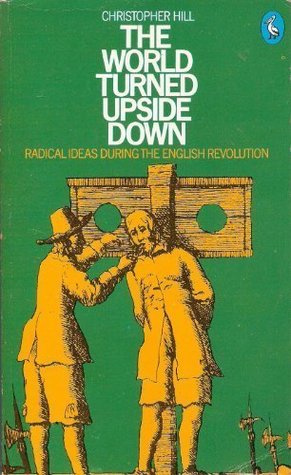
That wasn’t always true though. Sometimes the Lords of Misrule genuinely did represent an element of the World Turned Upside Down or at least the potential for it. Winter parades through the streets could lead to confrontations with authority.
I was born on 31st October 1956 but it would be reasonable to say that the event that shaped my outlook on life was not the above but the fact that it was the date Russian tanks rolled into Budapest to crush the Hungarian Revolution, followed by the Allied invasion of Suez
Turning the World Upside Down does not come out of the barrel of a T54 tank or a Western war plane at Halloween or at any other time.


“For example in Henry V Shakespeare depicted Sir John Falstaff as the Lord of Misrule.”
No he didn’t.
In Henry V Falstaff’s death is described and the king hangs Falstaff’s associate Nym for looting. Orson Welles in his adaptation Chimes at Midnight depicts Falstaff as the suppressed spirit of Merrie England. Falstaff has been deposed from his role as Lord of Misrule when Henry takes the throne and turning to Falstaff snarls “I know thee not, old man!”