
The Metropolitan Police ban on Extinction Rebellion protests in London has been ruled illegal.
The key part of the Court ruling is in this Guardian report:
In a judicial review ruling handed down on Wednesday morning, the judges said the Met had been wrong to define Extinction Rebellion’s two-week long “autumn uprising” as a single public assembly on which it could i
“Separate gatherings, separated both in time and by many miles, even if coordinated under the umbrella of one body, are not a public assembly under the meaning of section 14(1) of the 1986 act,” Dingemans said.
“The XR autumn uprising intended to be held from 14 to 19 October was not therefore a public assembly … therefore the decision to impose the condition was unlawful because there was no power to impose it.
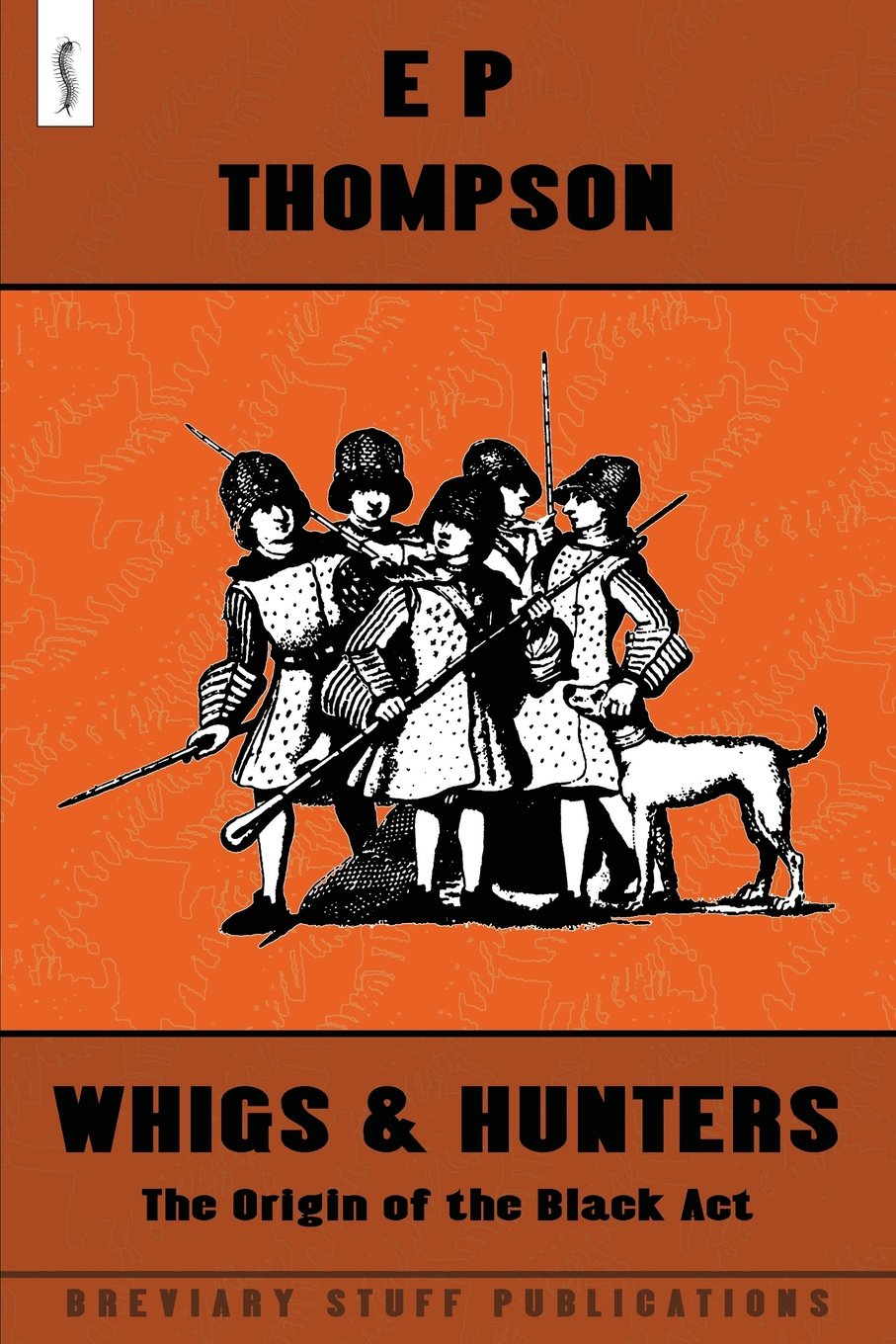
The ruling, which I expect we will hear more about is of some interest to historians of protest but also to those who supported or opposed E P Thompson’s view of the Rule of Law in his book Whigs and Hunters.
He wrote in a brief conclusion:
We reach then, not a simple conclusion (law=class power) but a complex and contradictory one. On the one hand.. the law did mediate existent class relations to the advantage of the rulers; not only is this so, but as the century advanced the law became a superb instrument by which these rulers were able to impose new definitions of property to their even greater advantage.. On the other hand the law mediated these class relations through legal forms, which imposed again and again, inhibitions upon the actions of these rulers
Historical work in progress


Leave a Reply