
On the extreme political nature of British capitalism: a question of history
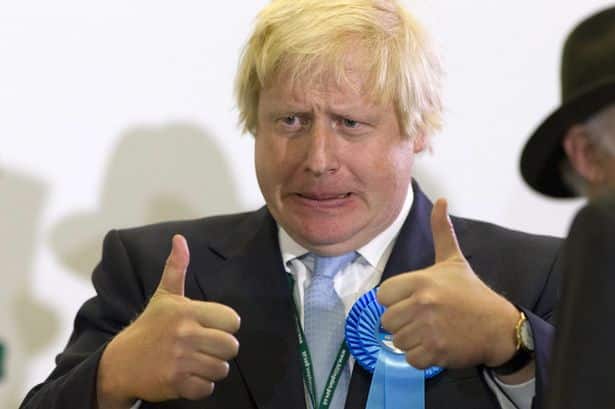
Looking at the current 2019 version of the British Tory Party one could be given for thinking that it is not the representative of British business it is thought to be. After all it backs Brexit and many leading UK businesses do not want Brexit.
It still gets substantial funding from business of course but the traditional businesses that have funded it in the past are perhaps less significant now.
For example, the Beerage, Tory supporting brewers, has been in decline for some time. In 2019 alone two significant brewers who have recently supported and donated to the Tory Party exited the scene as independent entities. Fullers sold its brewery to Asahi and Greene King sold its brewery and pub estate to a Hong Kong based property company.
But in noting this we are led back into a historical debate about the nature of British capitalism.
I was pleased that Professor David Edgerton, author of a recent book and articles on British industry and Brexit in an historical context was able to speak at a recent London Socialist Historians seminar (which I chaired).
In it we touched on the debate between E P Thompson and Perry Anderson and Tom Nairn that took place in the New Left Review in the 1960s but which remains relevant.
Anderson and Nairn claimed that there had never been a proper British bourgeois revolution and that this meant that the political system remained aristocratic to some extent and not fully in line with the interests of twentieth century business. Thompson disagreed with the exceptionalism that they promoted.
David Edgerton pointed out quite rightly that both Tory and Liberal politicians had been and often remained prominent businessmen while serving as MPs or Peers.
A more recent twist has come from Plaid Cymru leader Adam Price who in a speech that might fairly be described as controversial claimed that Wales had been exploited by English business. He argued:
We had an extractive economy with a political power centre outside of our nation
As leading historian of modern Wales Daryl Leeworthy pointed out on social media this claim does not survive scrutiny in an historical context. Numbers of coal owners were in fact Welsh and if one (to return to the brewing theme above) wants to look for a link between Welsh business and politics one need go no further than one Samuel Arthur (S A) Brain who aside from owning Wales most well known brewery was also a Tory Councillor in Cardiff
Yet while this was the case as with the Beerage the links between business and politics in the UK are now limited.
A new report on extreme capitalism in the UK has highlighted the matter:
https://www.bbc.co.uk/news/business-50562518
Ownership of industry is spread across institutional investors who often have little interest in the impact a business makes in the UK.
In this context Labour’s plans for limited nationalisation of key industries such as rail,power and water makes a good deal of sense


Leave a Reply