
‘That barley’s good enough for Bass’
George Ewart Evans book, Where Beards Wag All, is not sadly, a book about beards, but about rural life and custom. It was an oral history right at the beginning of the rise of the modern subject (published 1970).
There is a chapter in the book Going to Burton about agricultural labourers in East Anglia going to Burton to walk in the Maltings (heavy physical work).
Those tireless beer chroniclers Boak and Bailey have a post on it:
https://boakandbailey.com/2019/07/suffolk-burton-migration-brewing/
The organic link was that the best of the barley grown in East Anglia was selected by Bass to be used for brewing at Burton.
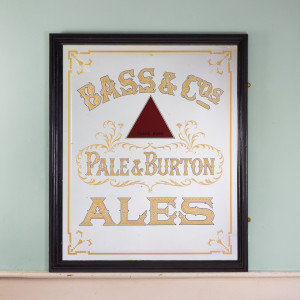
Bass perhaps the classic pale ale is in sad decline currently but its historic role in British brewing, employment and culture should not be forgotten.
Evans notes that work at Bass was available right the way through from September to June, leaving just the peak period of agricultural employment free.
Raphael Samuel wrote about it in his essay on seasonal labour, Comers and Goers
One of the most enduring of these autumn migrations was that which brought many hundreds of labourers to work in the breweries…Malsters were usually taken on at the beginning of October and continued until about the latter end of May ‘being about seven months of the year’. The great majority of these were drawn from the country, big-framed men strong enough to handle the comb-sacks (sixteen stones each) of barley… The winter employment in Burton helps to keep wages up, the Agricultural Employment Commissioners were told in 1868
It is a world we haven’t quite lost, particularly when it comes to issues of regularity of employment and wages.


Leave a Reply