
Crisis leads to boom in letter writing
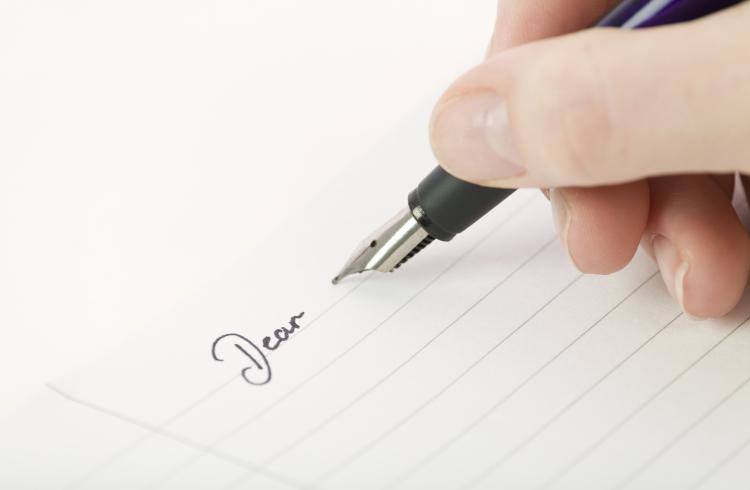
According to a BBC report the current crisis is leading to a boom in letter writing.
People have time and a desire to communicate in greater length than social media allows and the physical, apparently, hand written letter, is on its way back.
This could be good news for research historians like myself since there is a chance as the report indicates that some letters may be preserved for posterity, even if only accidentally. By contrast e-mails and social media posts are difficult to track. If you can find an e-mail you sent 10 years ago, good luck, and things don’t really move from the current to history until the 30 year mark is reached.
The BBC report is here. Btw if you do get a letter from Lionel Shriver there is a traditional method known as the round filing cabinet for dealing with it…
https://www.bbc.co.uk/news/world-52709729
My guide to letter writing is below. This focuses on writing for a wider audience. Writing on a one to one basis tends to be more discursive, or rambling as some might see it in 2020
Challenged by the writer of a letter to The Guardian to construct a ‘masterclass’ in letter writing I have responded that something rather briefer is appropriate.
How you write the letter and how you send it is a matter of personal choice. However since my writing is illegible I word process my epistles and despite my ever present solidarity with CWU postal colleagues, I despatch them by e-mail.
Keeping to the letter format, of address, ‘Dear Editor’ and ‘Yours etc’ is important though, otherwise you might as well post something on twitter or Facebook, or indeed, for longer matters, write a blog.
So what are the key elements in my view of a good letter?
1] Brevity. There is more and more to read and attention spans may be shorter
2] To the point. Not quite the hook of a stand-up comedy line but the letter needs a central focus
3] On one issue. 1+2 together mean that keeping to one issue in one letter is important although your point could be that several issues are connected
4] Humour: not always appropriate but a light hearted touch can reach places more apparently gravitas laden pronouncements sometimes don’t.
and of course regular practice makes perfect (ish)


Leave a Reply