
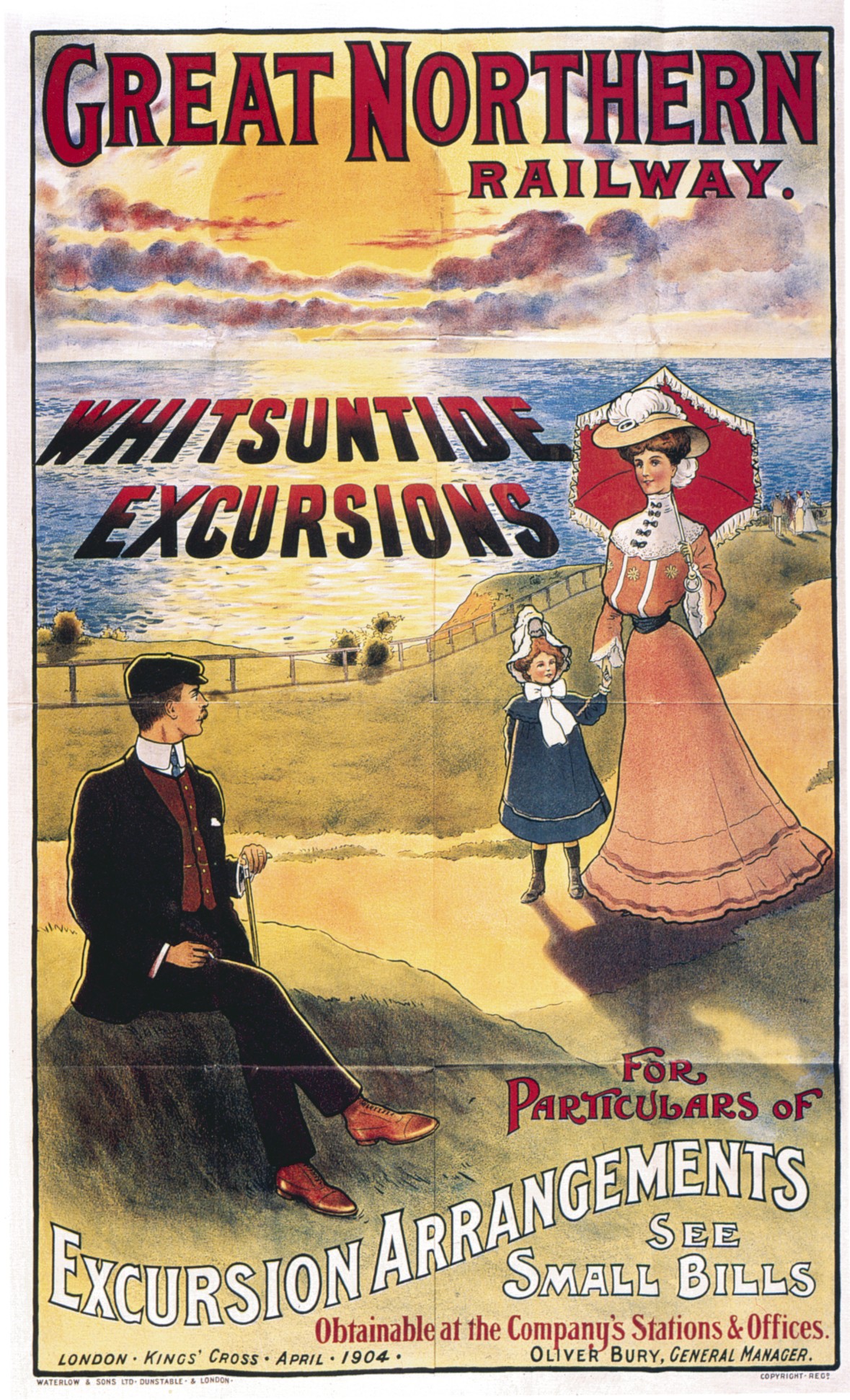
Bank Holidays cause a lot of political debate in the UK. At the moment the question of whether there should be one in October is current (again).
Bank Holidays go back to the 1871 Act itself designed to address the annoying habit that Victorian workers had of not turning up to work at the beginning of the week which was called Saint Monday (an extension of Sunday).
The number of holidays and when they took place was fixed for England and Wales (Scotland was different obviously) and that indicated that there was a holiday on Whit Monday (the early May Day holiday didnt come until the 1970s). Whit Monday is the day after the 7th Sunday after Easter. Easter varies each year and in 2022 the date would have been 6th June.
Due to mere happenstance of tradition the Whitsun holiday this year is on the traditional date thanks to Jubilee activities..
In fact 25th May the last Monday in May has been the fixed date since 1971
The logic behind the change is,like much British tradition, a bit obscure. Parliament discussed Bank Holidays in 1964 around the concept of staggered holidays. The idea was to extend the holiday season and boost the tourist undustry. The TUC had been demanding it since the 1940s as it meant jobs.
The main change was to shift the August Bank Holiday from the first Monday of the month to the last Monday (except in Scotland obviously). But the Whitsun Holiday was also fixed at the same time. The idea here was to extend the holiday season at the front end. When the holiday fell in early June this meant school exams started later and imposed on plans for holidays in July (apparently). Hence keeping the holiday in May allowed exams to start earlier and for more family holidays in July.
Previously there had been a peak in late July and early August…
Its the kind of issue you’d expect to excite the Mail and Telegraph (it doesnt) and possibly even a certain strand of Remainiac. The Whitsun holiday in Ireland (26 Counties)remains next Monday..


Leave a Reply