
According to some commentators the small number of socially distanced protesters who gathered outside of Dominic Cummings house were a ‘mob’.
The use of such terms has a long history which I’ll comment on further.
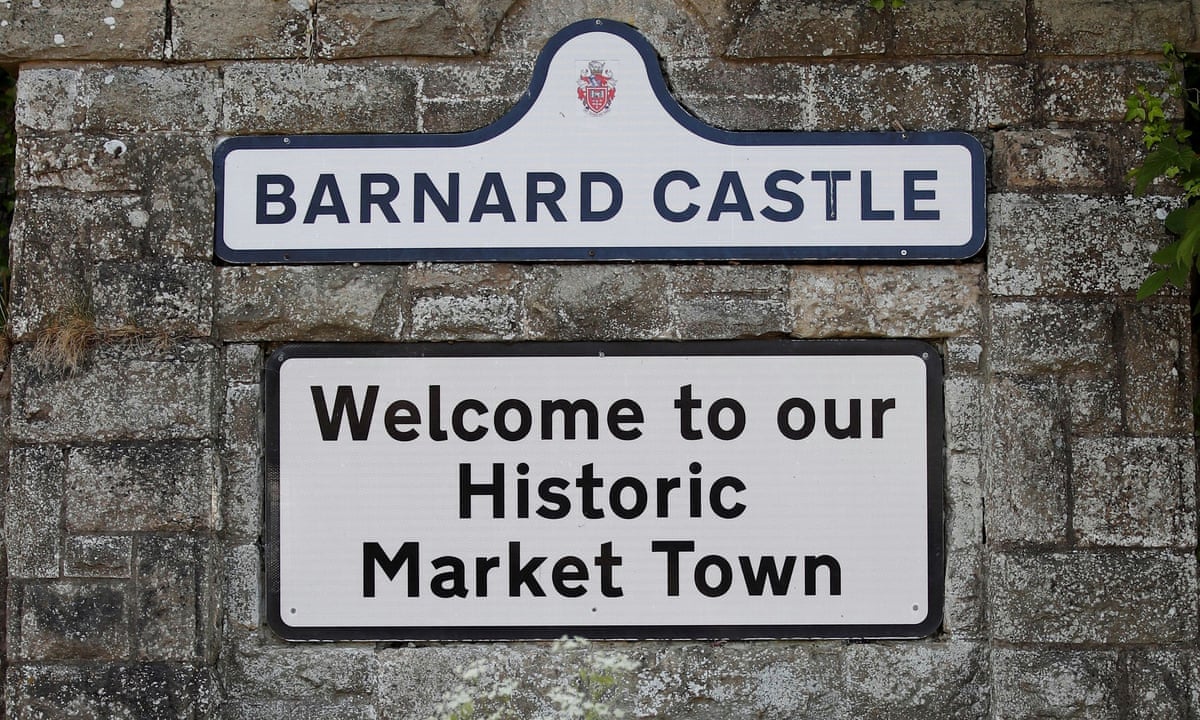
However the connection with one of Mr Cummings favourite places, Barnard Castle, is interesting.
The historian Robert Colls in his book The Pitmen of the Northern Coalfield 1790-1850 makes a reference to Barnard Castle (page 225) in respect of eighteenth century mobs. Colls argues that street actions by crowds were one of the few ways that ordinary people could have social agency before they got the vote and the right to organise.
He notes of Barnard Castle that the ‘squirearchy even provided their mob-captain with a gold laced hat and sword; ‘thus equipped…paraded the streets..sounding a horn, calling the people together at his pleasure’.
The purpose of such gatherings was often to promote what E P Thompson called a moral economy, to put pressure on tradesmen and producers for example to make sure that staples like bread and beer were sold at a reasonable price and of decent quality. This was often as here accepted by local ruling classes as a form of social regulation, making sure that protests did not ‘get out of hand’
Cummings before his current job headed up the Vote Leave campaign which was supposed to articulate (or perhaps manipulate) the voices of those that official political society didnt hear, done at the bidding of wealthy backers.
Surely the idea of parading around Barnard Castle in a gold laced hat articulating supposedly radical demands that the ruling class could in fact happily live with would fit Cummings well.


Leave a Reply