
The politics of London statues: what gets taken down & what goes up
In the wake of the fall of the statue of slave trader Edward Colston in Bristol on Sunday a petition to secure the removal of a statue of slaver Robert Milligan at West India Dock in London saw immediate success. It was removed on Tuesday
When a statue of suffragist Millicent Fawcett was unveiled in Parliament Square on 24th April 2018 the London Socialist Historians Group which I convene welcomed it.
Fawcett unlike the Suffragettes, pushed for votes for woman through traditional means and did not back direct action.
There are very few statues of significant women in the UK and more are welcome, although the debate about whether Mrs Thatcher should be amongst them is unresolved.
However what statues get taken up or taken down are a sign of the times. The Guardian (25th April 2018) made the point well in a comment that has stood the test of time:
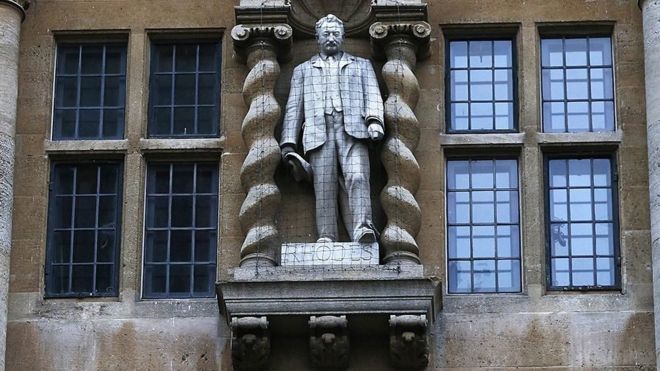
But as Mr Khan argued, statues do provide a barometer of the values of a time and a place. Putting them up – and taking them down – can become acts freighted with significance, arousing fierce passions. In the American south, the erection of confederate statues during the era of the civil rights movement reflected a desire to uphold notions of white supremacy. Footage of the toppling of the statue of Saddam Hussein in Baghdad in April 2003 flashed around the world – at the time, it was invoked as symbol of the swift victory of the US and its allies, but later came to signify the bathetic overreach of their ambition. Recent arguments over the commemoration of Cecil Rhodes have been bitter. Whether to commemorate Sylvia Pankhurst – suffragette, anti-colonialist, radical – in a sculpture in London is the subject of a current debate.
In 2018 the London Historians Group renewed its call for a statue of Sylvia Pankhurst who campaigned for the vote for working women in the East End of London and was briefly associated with the early Communist Party before moving further left.
The historians pointed out then that in the year of the 100th anniversary of some women getting the vote all those who campaigned for the suffrage should be remembered, from Fawcett who was a reformer to the Pankhursts who backed direct action and Sylvia Pankhurst who organised working women.
Generally socialist historians are more likely to back the pulling down of statues than their erection but there is plenty of space for many more statues of significant women and Sylvia Pankhurst must be amongst them.


Leave a Reply