
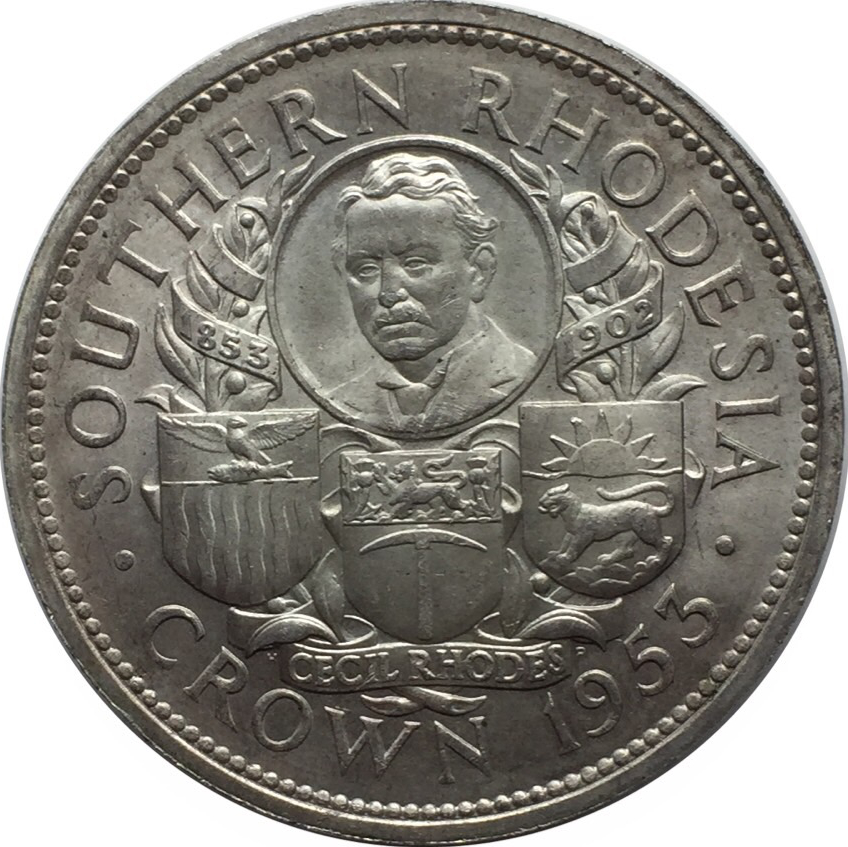
The petition and campaign to rename Rhodes Avenue Primary School N22 in Muswell Hill which has come out of the Black Lives Matter movement has raised and addressed the issue of whether the school and indeed the road are named after Rhodes or other members of the Rhodes family who owned land in the area in earlier centuries.
Partly the answer is that the name is taking nowadays by many to refer to Cecil Rhodes whatever the original intention.
However the campaign has found interesting information about when the road name dates from. This appears to be 1935. Rhodes died in 1902 so surely by that time he was forgotten and its just the family name?
That however would be a mistaken view.
An article in the African Sociological Review (vol 6/1 2002) by Paul Maylam deals with the naming cult related to Rhodes. He argues that it ran for the first six decades of the twentieth century after which the anti-imperialist sentiment we are familiar with nowadays gained support.
Strikingly on the 100th anniversary of Rhodes birth in 1953 the Queen Mother opened a Centenary Exhibition in Bulawayo and 125,000 silver crowns carrying Rhodes head were struck by the Royal Mint.
It seems clear that the cult of Rhodes and naming things after him was still in full swing in the early 1950s. Indeed there is a block of flats in Camden in the 1940s that still has his name.
The petition to change the name of Rhodes Avenue Primary School (which has the support of local MP Catherine West) is here:
https://www.change.org/p/rhodes-avenue-school-haringey-rename-rhodes-avenue-school
A detail relating to the name of Rhodes Avenue from the campaign’s latest update
A map from 1912 shows the first time a road appears alongside the site however it was not named Rhodes Avenue at that time, but Hampton road. The next map, 1935, shows the school built and the road renamed. It looks most likely that the road
and school were named either at the same time or very close in succession. As was the naming of nearby Cecil Road. There are also other imperialist road names close by that we are looking into also.
The neighbouring school (that is now A.P.S) on the same complex as Rhodes Avenue was built in 1959 and called Cecil Rhodes secondary modern.
It seems likely that between 1925-1930, land developers would have known of the Rhodes link and wished to make the most of the imperial connection to Cecil Rhodes. By this time, Cecil Rhodes’ name was very much established and celebrated. Southern Rhodesia was named for him, and he had only recently died. It seems unlikely that a land developer would use the Rhodes name without the awareness of its link to Cecil.


Leave a Reply