
Professor Niall Ferguson’s view of TikTok is bad history
Prof Niall Ferguson is a right-wing historian. He studied under the late Prof Norman Stone known as ‘Stone Age’ at Oxford, who was a great admirer of Margaret Thatcher.
Ferguson has written thought provoking history including an interesting book on counter-factualism- that is what might have happened in history rather than what did. One can read his history without having to sign on to his invariably right-wing views.
Norman Stone was an historian who enjoyed, hugely, promoting controversial and unpopular views, whether they were soundly based or not. Ferguson has learnt the art and its made him a popular commentator in the broadsheet media.
He currently writes a syndicated column for Bloomberg.
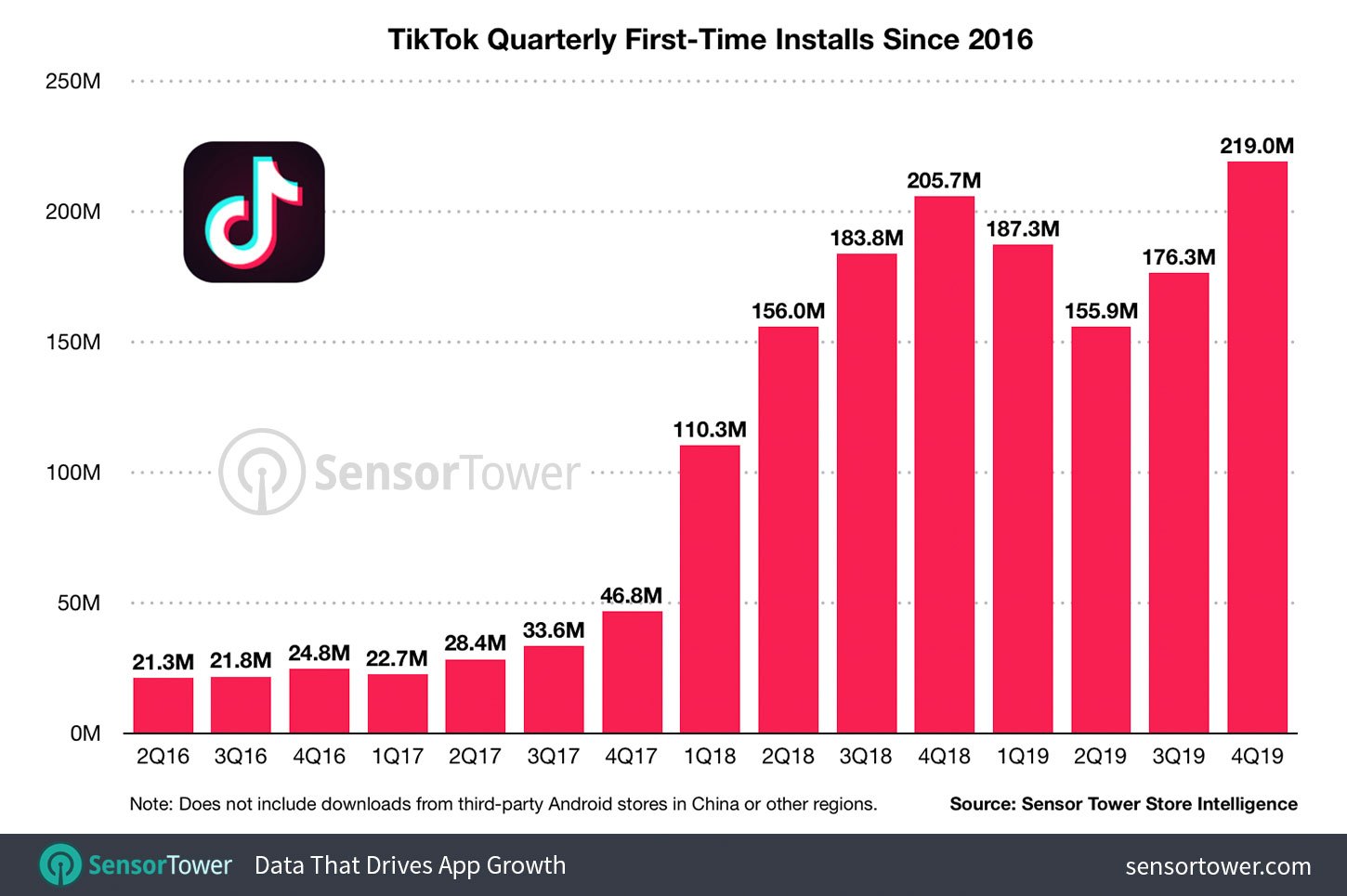
His latest effort looks at the video sharing App TikTok. For those not familiar this allows users to upload short videos of themselves and to build up a library of posts, visible to other users. TikTok has Chinese origins but is owned independently in countries around the world where it operates including the UK.
Tik Tok doesn’t work in the same way as Twitter or Facebook. Rather its based on AI (Artificial Intelligence) which allows it to build up a record of what has been posted by an individual. Ferguson claims that ultimately China could use this to track and control people.
Why China would want to do that is not explained but it suggests a Trumpian Sinophobia, fear of China, based on the reality that the President has spent the last 4 years wrecking America’s status as a world power, while China has been developing as a significant presence.
Before the 1917 Russian Revolution, the secret police had the largest amount of files on those they deemed to be enemies of the Government of any country. Ultimately this didn’t save the Tsarist regime. Even if one follows Ferguson’s Sinophobia it’s bad history to suggest the conclusion that he does.
Rather Ferguson is making a political point, underwriting Trump’s plans to ban TikTok in the US
Ferguson admits in the article that, twitter aside, he isn’t familiar with social media, but in the piece he uses a couple of entertaining references to how such culture wars have worked in the past. They are similar to the way Eric Hobsbawm illustrated historical points with topical examples.
Hobsbawm’s examples were sharply drawn, Ferguson’s less so.
He points to the CIA influence tours of black American jazz musicians to Eastern Europe in the 1960s as part of an earlier culture war. The initiative fell apart as the world saw from Rosa Parks on the realities of racism in the US.
Perhaps the US culture Ferguson refers to did persuade French youth that the Red Army wasn’t the way forward though? He suggests that after the revolt of 1968, the promotion of rock music, jeans and a wider lifestyle got young people to love free market capitalism.
The more practical impact it had on the world was to inflict Johnny Hallyday on us, a sort of French copy of Elvis Presley.
Ferguson writes in the piece
In 1986, the French leftist philosopher and comrade-in-arms of Che Guevara, Jules Régis Debray, lamented, “There is more power in rock music, videos, blue jeans, fast food, news networks and TV satellites than in the entire Red Army.” The French Left sneered at “Coca-colonization.” But Parisians, too, drank Coke.
As Ferguson must have noticed whether or not the French were drinking coke and enjoying US and UK soul and rock music it hasn’t stopped them protesting.
TikTok is in fact just a video sharing App, although American youth might be forgiven for making generally unfavourable comparisons between Trump regime and the Chinese Government.
This post originally appeared in the Morning Star


Leave a Reply