
Beyond the hyperbole, a note on the important social role of the pub
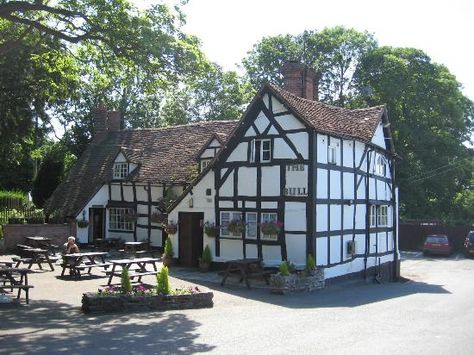
As there is a concerning rise in COVID-19 infections there is also a media focus on pubs as the source. Indeed, some are. In fact anywhere that sees people meet together, workplaces, transport, cafes and pubs are more likely to see transmission.
How likely it is to be the case provided legal safety measures are in place is important to keep in mind though.
There remains media hyperbole about thousands rushing to the local and getting drunk. No doubt some do but most who use the pub regularly know its core reason is much more than just selling drink.
In fact drinking in a pub is drinking in a socially controlled and licensed environment. These days it’s also a socially distanced space
One need only look for example at radical working-class history in the first half of the nineteenth century to see that from the Luddites to the Chartists the pub was a central meeting place. This was perhaps particularly so after the 1830 Beer Houses Act which led to a considerable increase in pubs, perhaps a little like the micro-pubs of today.
The idea of the ‘pub as the hub’ of local community activity has long been one promoted by the Campaign for Real Ale (CAMRA). CAMRA was founded in 1971 to combat moves by the big corporate brewers to replace traditional cask ales with bland artificially carbonated keg beer. To its credit, it has been one of the most successful consumer campaigns of recent decades and has also been active in trying to stop pub closures. Recent legislation in England, supported by CAMRA, allowing pubs under threat to be classified as Assets of Community Value (ACV) has helped.
Traditionally many pubs have supported a variety of social activities ranging from pub games through support for local music, theatre and other performing arts, to support for local football clubs and beer festivals. A pub which recognises its important role in the local community and offers well-kept beer at a fair price is far more than just a boozer. It’s a social location and inclusive of community.
Of course that doesn’t describe every pub, there are an infinite variety, the good, the bad, the indifferent. But they have a vital role in society. At the height of the temperance movement in the late nineteenth and early twentieth century temperance pubs and hotels were opened. They didn’t of course sell alcohol (or not much anyway) but with or without drink people are social.
As the Welsh Health Minister Vaughan Gething recently noted if pubs are shut people will socialise elsewhere, whether they are meant to or not, and the chances of tracking and tracing them are very limited.
Phil Mellows @philmellows has written a very good piece on the subject in the Morning Star on this. https://morningstaronline.co.uk/article/c/why-we-should-now-be-more-drink-aware-ever
Unusual times indicate unusual measures. There is a special poll for the Beard Friendly Pub of the Summer with the winner declared in late September. Vote here:


Leave a Reply