
Beyond North & South: The importance of Christmas work to casual workers in Victorian London
There are of course those, some strange participants in what is currently another Tory Culture War, who are happy London has gone into Tier 3 restrictions before Christmas.
The move may well be evidence based and necessary.
However, perhaps needless to say neither those who urged the move or the politicians who did it had much of note to say about supporting impacted workers and businesses.
Whatever support there may be won’t reach casual and in 2020 zero hours workers. That applies not only to London but to Manchester, Leeds, Sheffield, Newcastle and so on. If there is a campaign, united north and south, it is here.
Capitalism and Christmas labour hasn’t changed much since Victorian times and below is a research note about the Victorian Christmas in London. Why London? Because that is where the research focused and also because its opportunities for casual work were greater than anywhere else, then and now.
The Christmas period was the best of the winter season for those seeking casual employment even 150 years ago. It was after the festivities had ended in January and February that things started to get really tough.
London in December by the 1860s had started to become a significant place of Christmas activity and commerce and the more so as the Victorian era wore on.
As those with money spent it and enjoyed themselves, those without money could at least earn a little by helping the process along.
As the historian Raphael Samuel noted the development of Christmas as a ‘spending season’ provided for street sales of novelties and holly and mistletoe. He argued that London in December was a ‘paradise of odd jobs’ whether helping scene shift in pantomimes or haul seasonal post.
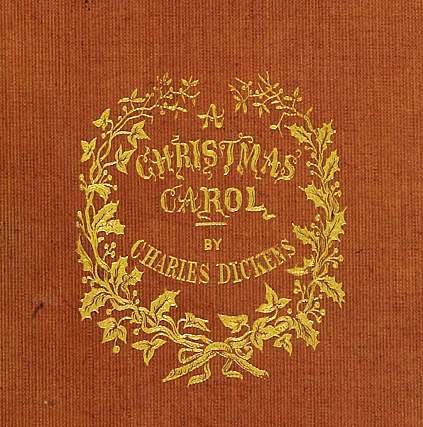
However in a sense Dickens’ Scrooge and his clerk who was expected to work at Christmas were atypical of the period. The job had long hours, low pay and poor conditions but it was a regular job.
By contrast much mid-Victorian labour was irregular or casual- certainly if it lacked any skilled element- and the parallel with our own times is growing stronger by the year.
As Samuel noted ‘Christmas was the winter harvest for the wandering tribes. When it was over things changed for the worse. January and February were bad months for the working man’, and in 2020 the working woman too.


Leave a Reply