
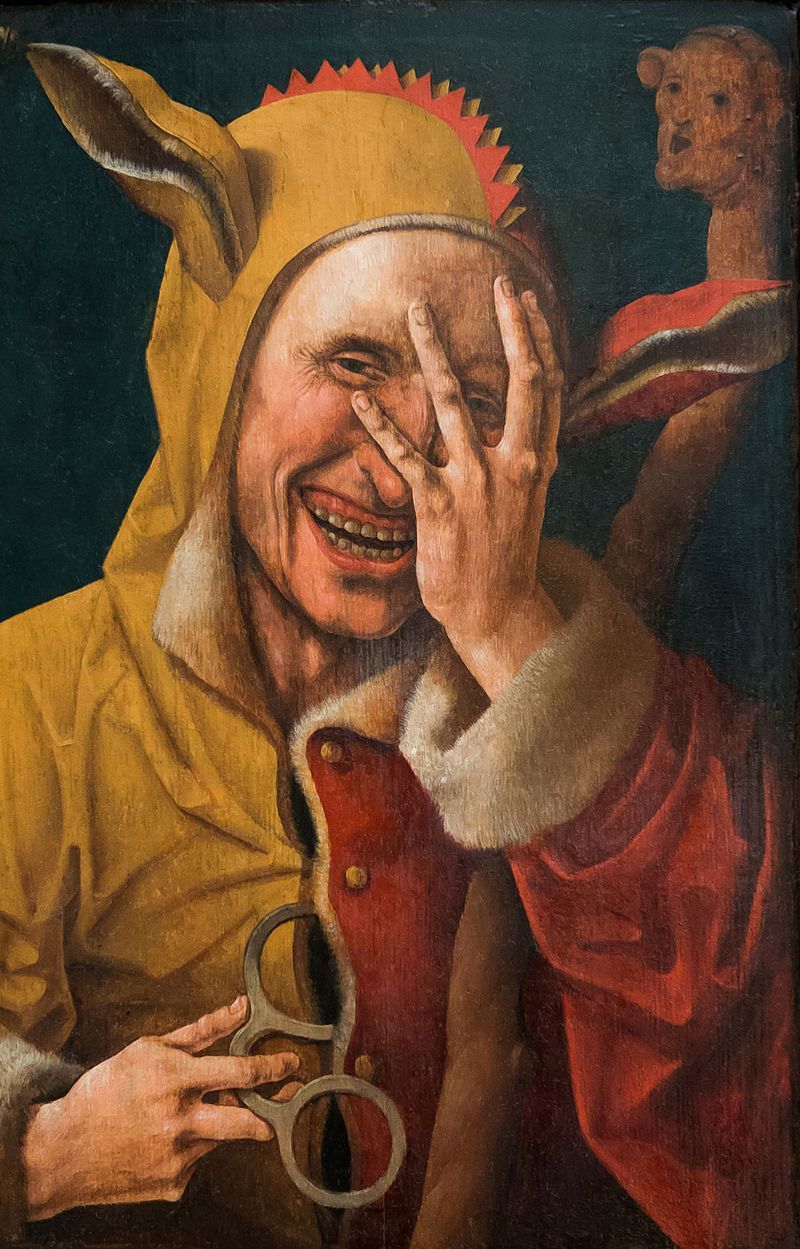
Shrovetide & the Lords of Misrule
Tuesday is Shrove Tuesday which for some means pancake eating. Some will know that the origins of Shrove Tuesday are around eating up things like cheese and butter before the start of Lent. Lent is a period of abstinence (for some) in the traditional calendar that goes on to Maundy Thursday (2nd April).
In the traditional calendar Shrove Tuesday was the end of a period called Shrovetide which lasted for several days beforehand. It was, again before Lent, a time of merrymaking, drinking and celebration.
Some of those who voted for Brexit might see it as the kind of English tradition (elsewhere in the UK matters varied) that could be reclaimed. The irony is that Shrovetide like many traditional pastimes, particularly those with a religious connection, was and is marked across mainland Europe.
In fact Shrovetide was celebrated more vigorously elsewhere in Europe where the February weather was often a little better.
Like many traditional festivals there was a strong element of the Carnivalesque about Shrovetide, in short of subversion and turning the world upside down.
Shrovetide marked the end of the reign of the Lords of Misrule who first elected on All Hallows Eve (October 31st) and were particularly active in the Twelve Days of Christmas and perhaps at Candlemas (2nd February).
A couple of examples. Thomas Tucker of St Johns College Oxford was invested as ‘Prince of the Revels’ on All Hallow’s Night 31st October 1607 and kept the position through to Shrove Tuesday on February 9th 1608.
There may not have been anything particularly subversive about that but Gladman’s Riding in Norwich (riding meant procession)) was described as an insurrection. It took place on 22nd January 1443 clearly some weeks before Shrovetide. It was in fact framed by that time in the calendar because it was designed to take place before Lent, but after Christmas. The underlying reason was political and related to the potential closure of local mills meaning that Lent would be even more difficult in respect of food provision than usual.
The Lords and Ladies of Misrule tend to re-appear after Easter by the way

 Kmflett's Blog
Leave a comment