
Cask Ale: why it still matters
Pubs with gardens or outside spaces can re-open in England on 11th April. It will be chilly and be prepared for tabloid pictures of people doing something other they shouldn’t be- taken of course by other people who are behaving with complete proprietary.
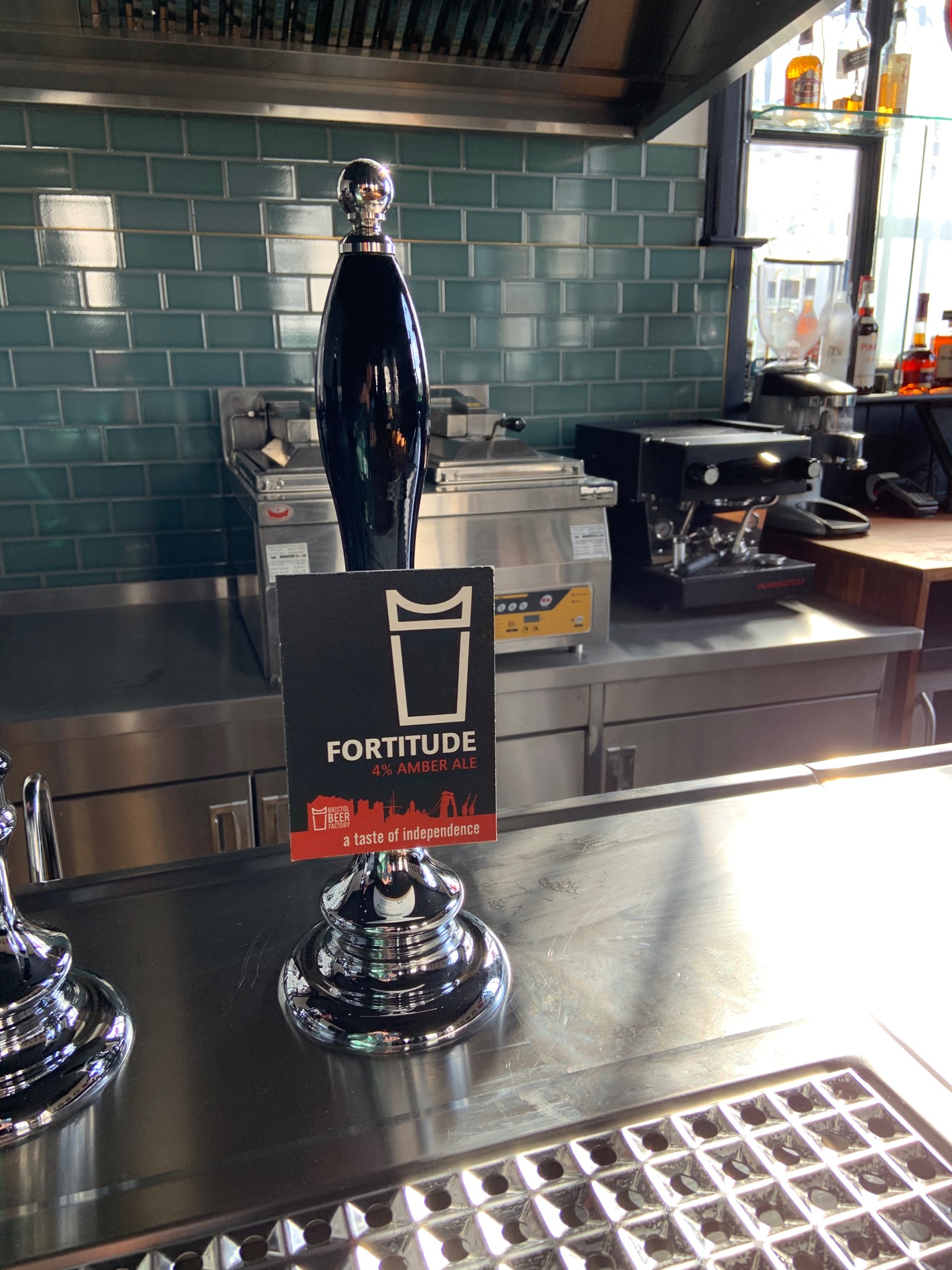
However beyond that, and CAMRA and SIBA have been running publicity campaigns, the key thing is that cask is back. That is pub conditioned beer sold via handpump or straight from a cask. Of course it has not been completely absent during the lockdown. Mini-casks were available at brewery taps and by post but that was really for the dedicated (yes, I did share a mini-cask of Five Pints Best last month).
When I was a young drinker in North London in the first half of the 1970s the choice of beer was simple. There was no Wetherspoons. There was Watneys, Ind Coope and Whitbread keg. They were widely available and to my mind undrinkable. In North London the nearest Youngs pub, the Spreadeagle, which sold cask was in Camden Town and the nearest Fullers pub was the Anchor and Hope on the Lea. Both are still there, still selling those beers
Otherwise for cask ale you had to hunt out pubs that sold Charrington IPA and/or Bass. There were just a handful of pubs that sold Whitbread (Marlow bitter)- the Victoria in Highgate for example and Courage best (John Baird in Muswell Hill).
Charrington IPA by this time was on its way to blandness but the other beers were decent pints (you drank pints in those days).
If a pub sold only keg I would walk in, check and walk promptly out. I’m sure I wasn’t the only one because by the mid-1970s Ind Coope had restored handpumps in many pubs with Draught Burton Ale (a cask Double Diamond in effect) at the then amazingly strong 1048 OG. The only regularly available beer in London that was stronger was Fullers ESB at 1055.
This is where we were the best part of 50 years ago.
Thanks to the work of CAMRA, then primarily full of young activists like me, cask made a return to many pubs and it stayed. Until recently the number of London breweries did not increase but beers from around the UK, say Regionals like Greene King, Sam Smiths, Shepherd Neame, started to become available here and there in London.
After the law changed, again largely thanks to CAMRA, and many pubs could have guest ales, things moved on further. Wetherspoons was probably the game changer here, surprising as that will seem to many in 2021. A Spoons would often have cask beers on from around the UK that otherwise would not appear in London. Whether they were any good or not is another matter but some, like Hop Back Summer Lightning and Oakham JHB- Spoons regulars- not really seen much elsewhere, certainly were.
Obviously if the cask beer was warm or cloudy (it was not meant to be, and nor was it meant to have twigs in it) or had off notes back it went. Generally though the cask beer was drinkable enough. Did we know, or care much if the beer was a little green, a little tired or not in top condition? Not that much because the alternative was undrinkable keg.
The world has moved on further as it does. Cask is not the only decent beer game in town now. Nor is drinking beer in pints always a great idea given the proliferation of different strengths and styles.
In recent times though cask has started to make an appearance on the bar arguably as a quasi-craft beer. Some might reasonably argue it always was in the hands of some well-known regional brewers a craft product.
Five Points in Hackney for example have brewed cask Best and Ordinary bitters based on new iterations of well-known hops such as Fuggles and East Kent Goldings.
They are a reminder of how good well brewed, well-kept cask beer can be which suggests that even in the era of COVID cask has a real future and one well beyond the 1970s when even mediocre cask was hard to find.
And the good news is that from Monday its once again available, provided you wrap up well against the elements of course.
. .


Leave a Reply