
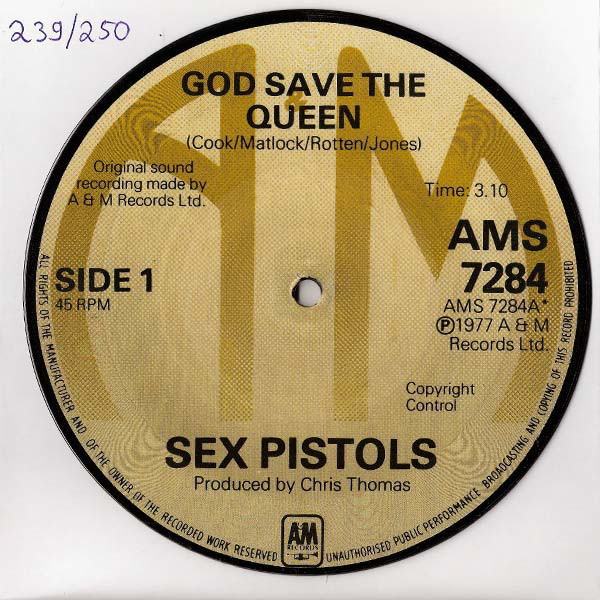
After the death of Prince Philip: Last Orders for the Royal Family
The death of Prince Philip may not have raised the future of the Royals in official circles but a quick glance at social media suggests it is a real discussion.
The left, being supporters of democracy and elections, have never been great enthusiasts for unelected rulers, particularly when, as many have done historically, they claim a ‘divine right’ to rule.
Yet in Britain republicanism, the idea that there should be an elected Head of State, has been a minority trend if we compare it for example to French Republicanism which saw a revolution in 1789 to remove the King permanently.
It’s true of course that on 30th January 1649 King Charles 1st lost his head in Whitehall, and a Commonwealth was in place until 1660. At that date the monarchy was restored although the events of 1649 have a place in radical history and thought to this day.
Republicanism in Britain has not been associated only with the left but the majority trend on the left has been to have a distaste for the patronage, privilege and forelock tugging that goes with Royalty, but to be clear that politically there are also other priorities.
It is this anti-monarchism, identified by Antony Taylor, an academic who has provided perhaps the best modern template for the study of opposition to Royalty, that has been the dominant trend in British republicanism. The monarchy is not liked but it is specific instances of excess and extravagance that are the focus of protest.
In 1997 at an earlier moment when the Royals were thought to be out of touch Blair tried to fashion Diana as the ‘People’s Princess’ though it is difficult to see any lasting impact of a campaign that made a considerable mark at the time.
There is a wider issue and one that was central at nineteenth century protests at Royal occasions.
These protests centred on what William Cobbett had called ‘Old Corruption’. That is a political culture of deference and patronage where those who held ultimate power in society- Britain remains a constitutional monarchy not a Parliamentary democracy- do so by virtue of an accident of birth rather than on merit or electoral choice.
Royal occasions in the second half of the nineteenth century, when Queen Victoria was on the throne, such as weddings and Jubilees, provoked significant protest.
There were a number of underlying motivations for such protests- not all progressive, there was an element of anti-German xenophobia- but a key one was the cost.
Expenditure on Royal pomp and ceremony was contrasted with the large numbers in society who lived in absolute poverty. The radical Reynolds’s Newspaper became the biggest selling Sunday paper of the time centrally based on virulently attacking the Royal Family and its aristocratic hangers on.
Expenditure on things like the Royal Yacht and the Royal train were particular targets outside of specific ceremonial occasions even at that time.
Prince Philip’s death and the absurd official reaction to it, including blanket media coverage with very little mention of any criticism, reflects just how far out of touch the institution of the monarchy is with the Britain of 2021. When all the terrestrial TV channels except Channel 4 screened endless repeats of programmes praising the Duke on the Friday evening of his death that station got more viewers than all the rest combined at the peak viewing time of 9pm
That in itself should be sufficient to suggest that it is time for Last Orders on the Royal Family. They are a waste of public money and an anachronism in what claims to be a modern democracy.


Leave a Reply