
The importance of Pressure From Without in the age of Starmer
Up to and on May 6th people are out campaigning in the elections that take place across the UK’s four nations on that day. Many will be working for Labour victories and in places like Manchester, London and Cardiff Bay will hope to keep administrations in office that certainly do more for working people than any likely alternative would.
Others will be out supporting Communists, socialists, Greens and a range of independents. Victories will be won here and there but the main point will be to raise political ideas and strategies aimed at wider changes.
While a focus on electoral politics has been central to much of the left for over a century it has never been the only road taken
In his utopian novel News From Nowhere, William Morris wrote that the Westminster Parliament had been replaced by a more useful dung heap while democracy was in the hands of citizens assemblies across the country.
More recently Ralph Miliband in his 1961 history of the first half century of the Labour Party, Parliamentary Socialism, argued that Labour had always been the most dogmatic of parties, not about socialist ideas but about adherence to Parliamentary politics.
This is the context for what was known in the nineteenth century as ‘pressure from without’. Labour didn’t form a Government until 1924 and until then the hope of achieving change simply by argument and winning a vote in Parliament was limited at best.
Rather the idea was to exert various forms of organised mass pressure, petitions, demonstrations, strikes to fix in the minds of MPs that if some changes and concessions were not made from time to time the alternative could end up being much more radical.
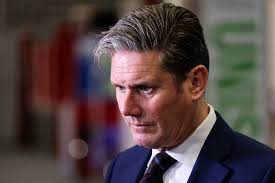
With the Tories 80 seat majority in Parliament and Keir Starmer’s penchant for abstention or backing the Tories, pressure from without has reasserted itself over the last year with some success.
Arguably it started with Black Lives Matter. The Sewell report shows the disdain the Government has for this and Starmer is hardly an enthusiast either.
Yet and despite regular edicts from Culture Minister Oliver Dowden, the pressure from campaigners continues to see a succession of large companies, academic institutions and sporting bodies take action on statues, historic racist associations and policies.
Arising in part from this the Tories new Police and Crime Bill has seen protests around the UK. On this occasion Labour did oppose it, but it seems to have been the impact of demonstrations that has seen the Bill disappear off the immediate political agenda. When and if it returns may well be depend on pressure from without.
The other motor for the Bill was and is the climate change protests of Extinction Rebellion activists. Even during the pandemic these have continued, within the confines of safety restrictions. Changes in Government policy are the aim, but the pressure for change comes not from Parliament but from the streets.
This idea of not waiting for someone above to address matters has spread further still.
When the BBC decided to scrap every programme on every channel in favour of coverage of the death of Prince Philip on April 9th it received over 100,000 complaints. It still managed extensive coverage of the funeral but only on one channel. The protests worked, although politicians were mostly silent on the matter.
When a group of very rich football clubs announced a break away European Super League to make themselves even richer recently, Government action was promised. However fan protests got there first and the ESL was scrapped before any Minister actually did a thing.
A reminder that the power of collective action can change things now just as it did in the nineteenth century.


Leave a Reply