
Bells Brewery: Big Beer& capitalism’s tendency to monopoly
The respected beer writer Matthew Curtis has posted various points about the sale of the Michigan craft brewery, Bells to Australia’s Lion. Lion itself is owned by Kirin.
They own several craft brewers in the UK including Magic Rock and Fourpure.
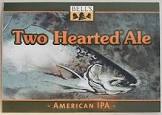
Bells has a long-ish history for a craft brewery and its 7% ipa Two-Hearted, is viewed as one of the best in the world, albeit little seen currently in the UK.
The owner reportedly wanted to retire and having no succession plan a sale was the best way to keep things going
That’s how Ashai came to own Meantime of course as well.
Lion also owns Little Creatures (which has a brewpub in Kings Cross) and Matthew Curtis clearly sees links between them, Bells and Fourpure, in part via New Belgium (another Lion acquisition).
Those who are really only here for the beer (which is after all the point) may wonder by this stage if any of this really matters.
Actually it does. Craft brewing was (and is) about sustainable, locally produced beer for particular tastes. It is meant to be different from and indeed in opposition to global big beer brands, where you get the same beer whichever pub you go in.
What Lion and Kirin are doing here is creating global big beer brands. Capitalism which claims to be all about free market competition in fact leads to monopoly.
There is nothing however in the first part of the free market/monopoly equation to stop new craft beer brewers appearing. The point is enjoy them while you can, before long big beer will come knocking
An alternative view
I note an interesting social media discussion which has been arguing that the takeover of Bells is not a bad thing.
The first point is that the owner wanted to retire and from that perspective why not sell the brewery (which keeps it going) and take some profit from a life’s work. Indeed but in a more equitable world that profit would be shared with all who have contributed to the brewery’s success which is a lot more people than the owner.
The second point which is perhaps more implied than openly stated is that takeovers by Big Beer can lead to better working conditions. Indeed again Big Beer may well recognise a union (most large employers do recognising the mutual benefits) and will have job standards which regulate working conditions. As a trade union officer who deals with private sector big business I’d say that is true. If an employee has an issue in a small outfit often the only way forward is to leave. In a big unionised company that’s not usually necessary, there are ways to raise and resolve issues within agreed processes.
The third point, not discussed in these exchanges, is the impact on the beer itself. The new owner may leave it much as is for a while, but Big Beer is all about efficiencies and cost cutting and sales targets. That’s how it got to be Big Beer and in the end what you drink often (but not always) suffers.


Leave a Reply