
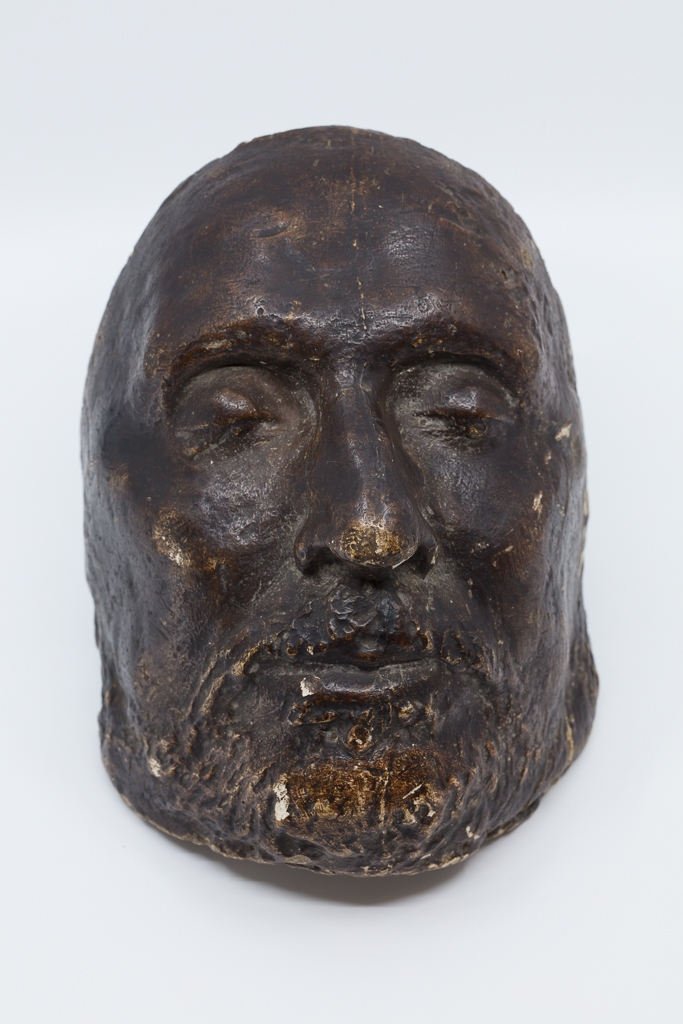
Cromwell banned Christmas. Did he ban beards?
Neither is actually the case.
It was Parliament not Cromwell that banned Christmas in a law passed in June 1847 (there had been a one year ban in 1844) and while Cromwell certainly did not speak out on the ban he was not centrally involved in the matter either.
The beard ban question is a little more complex. The New Model Army were known by opponents as Roundheads because they had short hair and often were clean shaven. Of course we are only going by reports and occasional paintings here, this was a couple of centuries before the first photographs.
The most likely reason for having short hair in an army in the mid-16th was for reasons of personal health and cleanliness. Beard historian Alun Withey (Exeter) has opined that for the Puritans beards were seen as a ‘bauble’. Perhaps and clearly images of Royalists do suggest considerable facial hair.
However the Cromwell Museum in Huntingdon has commented (@MuseumCromwell):
NB: any idea that Royalists had long hair and beards and Parliamentarians had short hair/clean shaven is a wildly inaccurate Victorian stereotype. There was little to distinguish the two sides in terms of dress in reality, hence many accounts of ‘friendly fire’ incidents then…
Cromwell himself is show in portraits as wearing a ‘frugal’ moustache and woodcut in the Royal Collection and his Death Mask suggest he did wear a beard.
Looking more widely the Puritans who occupied New England and eventually declared independence had some concept of dress and appearance that may have focused on being clean shaven. In 1654 a colonialist Thomas Hall published a tract on the ‘Loathsomeness of Long Hair’ which he saw as being a feature of (Catholic) French and Spanish society.
However to return to the original point Cromwell was not a pogonophobe and despite not celebrating Christmas liked a jug or two of ale as well (coming from a brewing family)


Leave a Reply