
How Pandemic Restrictions ended in the Nineteenth Century: Profit Before People
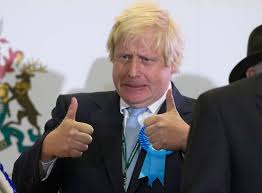
Boris Johnson announced the end of most compulsory COVID restrictions in England on 19th January. On the same day it was announced there were 96,545 COVID infections in England and 301 reported deaths. The figures were a reduction but remain high. In 2021 it was suggested in the other three UK nations that to lift restrictions entirely would mean infections had dropped below 50 people in 100,000. In my area of North London cases have dropped to half of what they were at the start of the year and now stand at 760 people in 100,000.
The impact of deaths from COVID, long COVID and economic hardship has been felt in all sections of society. If it hadn’t been Johnson would have done nothing-as indeed he originally planned to do in early 2020- as the ruling classes of Europe did on cholera in previous times until they started dying from it as well.
In fact how Governments of similar politics to those of Johnson dealt with epidemics in the first half of the nineteenth century is strikingly similar to today.
The cholera epidemics of 1831 and 1832 coincided with agitation for political reform. Like anti-vaxxers now protests blamed medics for the disease. While the Government had introduced restrictions by 1832 they had abandoned the use of the military and compulsory hospitalisation concerned about the wider tumult for political change which ended with the 1832 Reform Act.
By the time of the epidemic of 1848 and 1849 there was Europe wide concern amongst ruling class about the economic impact quarantine measures would have. When cholera swept through Britain in 1849 the General Board of Health, set up by the 1848 Health of Town Acts, was able to do little, having little in the way of resources or specific powers to do so. The Government sought to protect profit and avoid protest.
The 1st September 1849 issue of the Chartist Northern Star paper reported on cholera in London in the previous week. Over half of the deaths in the Capital in the week ending 25th August 1849 had been epidemic related. It commented that the efforts made to control the disease looked ‘feeble and insignificant’ contrasted to the ‘vast means and agency brought to bear by the nation in other fields for the protection of life and property. The energy with which part of our institutions work makes the defects of the rest the more evident’. The paper cited the example of Albion Terrace Wandsworth where 19 people had died of cholera in August 1849 and argued that ‘it appears to be taken for granted that blame attaches to nobody’
In England 170 years on we are at a stage familiar to nineteenth century historians. Namely that it has been determined, as it was in 1849, that the economic cost of the pandemic outweighs the importance of controlling it and so ‘let it rip’ in a phrase Johnson may or may not have used at some point.
The difference with the Victorian period is that thanks to science and the NHS we have an effective vaccine which means that while infections remain high at the moment, serious illness and death are much less.
However hundreds are still dying from COVID each day. The disease doesn’t discriminate but class society does. It’s a fair bet that as in the COVID first wave, many of those dying will be the less well off, those in poor housing and poorly paid jobs that can’t be done from home.
Meanwhile whatever their status they are people with names not just numbers, except obviously to Boris Johnson


Leave a Reply