
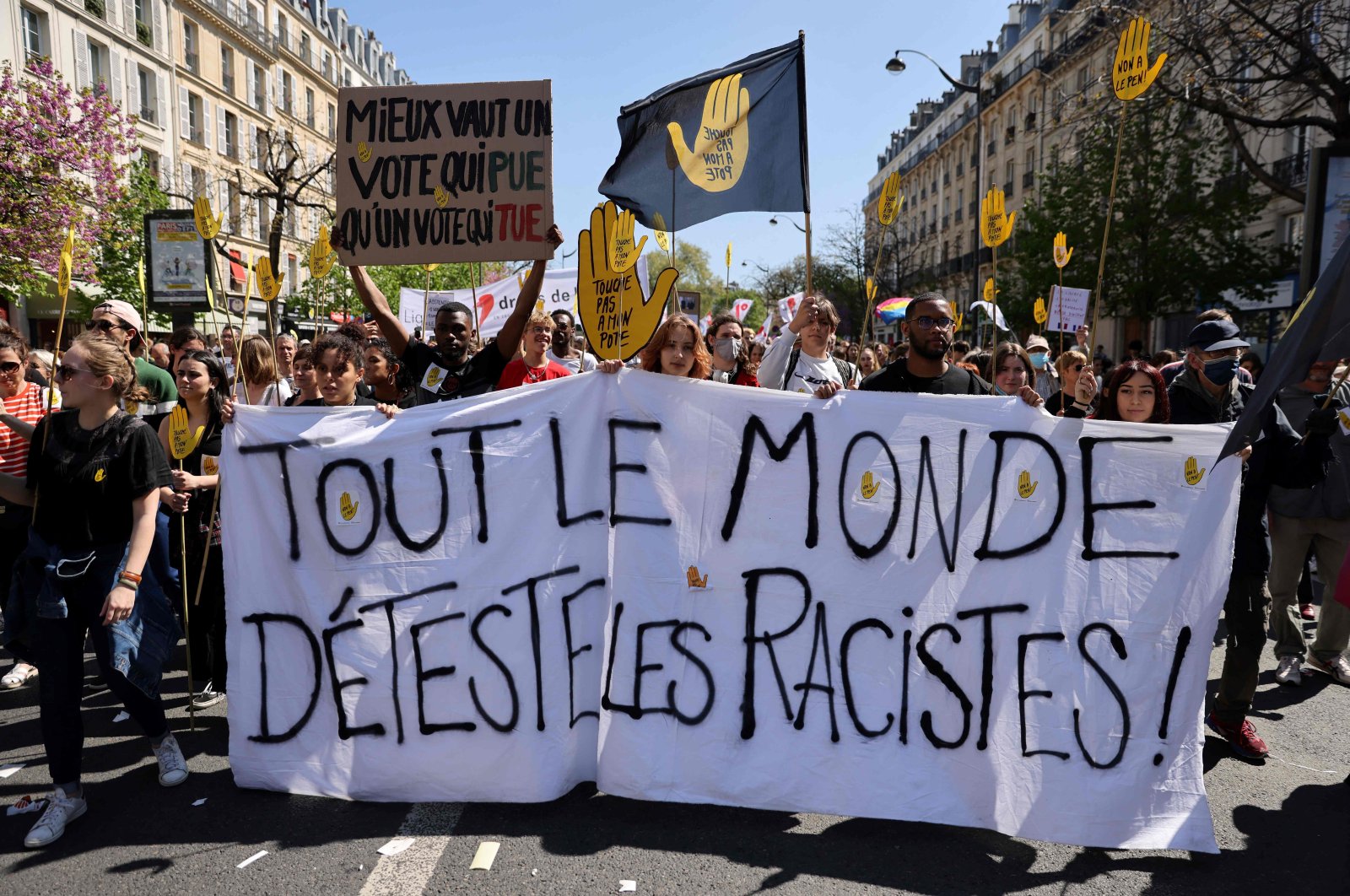
Macron win. No dancing in the streets, but protests
In 2012 a victory for the socialist Hollande in the French Presidential Election offered hope that a major European Government would ditch the neo-liberal policy of austerity and develop something that hits bankers more than those who use banks. The hope was confounded and a Minister in that Government, Macron, broke with it to form a new centrist party En Marche. Macron won easily in 2017 and much less easily in 2022.
The news of Hollande’s poll win brought out many thousands on to the streets, not least to a victory rally at Bastille in central Paris where Hollande addressed the crowd.
There is an historical benchmark for such occasions and it is whether or not people were to be found dancing in the streets at the news of Hollande’s win.
Barbara Ehrenreich has written a book about dancing being an expression of collective joy stretching back to ancient societies.
Ehrenreich uses primarily an anthropological framework for her commentary. It is clear that people coming together in a crowd to mark important occasions and to celebrate in certain ways such as dancing and music is a very old tradition indeed.
In more recent times this became in many cases celebration through the rituals of Carnival, a moment when traditional constraints to behaviour could be loosened.
Not all such occasions have been expressions of collective joy which opened towards the political left. The English tradition of Rough Music which was certainly a collective expression of a popular mood as a crowd gathered to make a noise and focus on those who had transgressed expected behaviour in some ways, was sometimes reactionary.
The modern usage of the term has been more specific and can probably be dated back to the Martha Reeves and the Vandellas 1964 Tamla Motown record Dancing in the Streets.
The song was a massive hit for the group and Motown and is still played almost 60 years after its release.
Yet the meaning of the song was both disputed and perhaps left deliberately unclear.
When Martha Reeves came to England it is suggested that a reporter asked her if the song was about riot. She replied that this was absurd. It was of course about having a celebratory party.
However when the oppressed in society decide to take action against their oppressors there is often a moment of celebration of collective power about it.
A view is that Dancing in the Streets was certainly about, for a wider public, enjoying yourself. It also sent a message to the substantial black audience for Motown records that getting out on the streets around the civil rights movement was not just appropriate but potentially enjoyable.
There was however no dancing in the streets of Paris on Sunday night but rather young protesters angry at the strength of the fascist vote and the fact that Macron’s neo-liberal policies had again triumphed. The Socialist Party of Hollande has been reduced to the political margins. The street is likely to be a significant factor in French politics…


Leave a Reply