
Tory leadership crisis can help workers fights but not always
The resignation of Boris Johnson as Prime Minister and his likely eventual departure from No.10 is a moment of crisis for the Tory Party. Post 1945 history shows that it’s a crisis they can overcome though.
The wooden image of Keir Starmer correctly calling for the Tories to go will hearten them. Perhaps the worst that could happen Tory wise is for them to lose an Election to be replaced by a similar Labour one.
In 1957 Anthony Eden resigned after the Suez Canal war which Britain lost. Eden claimed he was unwell. Labour did improve its poll ratings but Eden’s successor Harold Macmillan easily won the 1959 Election
Macmillan himself had to go in 1962 following a spy scandal involving Tory Ministers. Again Macmillan claimed he was unwell and was replaced by old Etonian Lord Home.
Despite all this and a slightly more left wing leader Harold Wilson, Labour only just won the 1964 Election. With the economy on the up it won again in 1966 but then came the 1970s
Labour lost the 1970 Election to Ted Heath’s Tories with Heath determined to break union power using an Industrial Relations Act. A decidedly not left wing Harold Wilson continued as Labour leader. Under threats of fines most Unions complied with the Act. Not all did though.
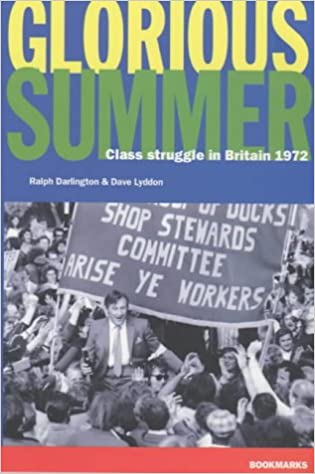
Indeed the socialist historian Ralph Darlington has described 1972 as the peak year of
labour for the whole of the century, a glorious summer as calls it. The case of the Pentonville dockers who took on the Tory Act and broke it is still recalled and should remain so but 1972 was also the year that the then might miners struck for the first time since 1926 and won a substantial rise as a special case.
The tone was set. It wasn’t what a Labour opposition did, though much was done, but what organised workers did from below. When the miners planned more industrial action in early 1974 Heath imposed a 3 day working week. He also called on 28th February 1974 a Who Governs Britain election, the Tories or the unions. The electors decided it was the latter.
What we got though was not a workers Government but a Labour one determined to reverse the gains of the last 4 years. Hence a Tory crisis was diverted. It went further than that. During this period the Tories built Thatcherism and crushed Labour at the 1979 election.
Chances still came. In 1984 both the dockers and miners took on Thatcher. Had Labour fully backed the fight for jobs and communities it might have won. It didn’t.
Rather Labour focused on building New Labour a broad class alliance. Election victories there were but the strength of trade unions declined, allowing 10 years plus of vicious austerity policies from 2010.
The prolonged crisis of Johnson’s leadership offers yet another chance. The TUC demand better march provided a framework. Since then a wave of strikes and strike ballots have hit the Tories. The Johnson crisis constrains their ability to hit back.
Labour should be pushed to take the right side but as in 1972 the key thing is what workplaces and communities do. That’s the history lesson of past Tory leadership crisis. We don’t wait for them to decide. We decide how to resolve matters ourselves
Keith Flett 7th July


Leave a Reply