
The fight against the Tories and Pressure From Without
The scale of the attack the Tories plan on working people and trade unions is significant. Billions of pounds of cuts in public spending are threatened. The impact will be felt across public services not least in the NHS and in terms of jobs and pay too. At the same time the Tories plan to make it even more difficult for trade unions to take strike action to defend living standards.
Whether any of this actually happens depends on a range of factors. Firstly the Tory Party and in particular its MPs are split over what is called Trussonomics is actually a sensible and workable plan. Its not clear Truss can command a Parliamentary majority for some of her programme.
Secondly there is the question of Labour. The Party is a very long way ahead in the polls, thanks very largely to Tory economic incompetence and Keir Starmer may well become the next Prime Minister. Labour will do things differently to the Tories in some respects- although clearly not on immigration-but there is little to suggest that it will act in a way radical enough to address over a decade of Tory austerity.
In the present there are a number of ways to address the question of what is to be done to fight the Tories, not least the Enough is Enough campaign and industrial action being taken by ASLEF, CWU, RMT, UCU and others.
However history also offers some pointers.
In nineteenth century Britain there was no independent working class political representation in Parliament, although individual MPs who represented workers interests such as the Chartist leader Feargus O’Connor were occasionally elected even on the very limited franchise then used.
Rather there were two bourgeois parties, the Tories and the Whigs (from 1859 the Liberals). However significant political change did occur. The suffrage was extended to include rather more working men in 1867 and 188*. Trade Unionism was given a legal status and the right to strike guaranteed in the late 1860s and early 1870s.
These changes which went through Parliament were achieved by what is known as pressure from without.
The term has an interesting history. It was the title of a 1974 volume edited by the feminist and socialist historian Patricia Hollis. She went on to become Junior Minister in the Blair Governments. The book clearly represented an historical intervention into what was an earlier period of working class upsurge against a right-wing Tory Government with policies similar to the present one.
Reviewing the book Dorothy Thompson was critical, arguing that its chapters failed to address the range of activities that made up pressure from without.
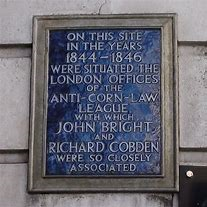
The Anti-Corn Law League, run by Manchester industrialists, was perhaps the prototype for modern campaigns. Well organised with membership cards, regular publicity and lobbying of Parliament it succeeded in getting the Corn Laws scrapped. That reduced the price of bread. This allowed its core support of business owners to reduce wages, something working class members of the League, of which there were numbers, no doubt reflected on.
A rather different form of pressure from without, aimed at the very types who ran the Anti Corn Law League was what some historians have called ‘collective bargaining by riot’. Here organised crowds, or mobs as the media still call them, gathered to pressure those who sold essentials like bread and beer to do so at affordable prices. Actual riots were rare. The pressure of the crowd was usually sufficient.
A combination of the efficient organisation and lobbying of the ACCL and the mobilisation of the protest crowd suggests pressure from without can still work today


Leave a Reply