
Parliamentary Democracy: A Crisis of Legitimacy 1820-2022
As the TUC met in Brighton figures were released by Megaphone that showed that in my area of North London 50% of people were spending less on food and a similar number had cut back on heating as colder weather arrives. Meanwhile over 15% had skipped meals they could no longer afford to eat.
This situation is not just the result of the disastrous hard right experiment that was Trussonomics but of 12 years of Tory austerity focused.
As Truss departed the focus was not on a General Election but on who the next Tory Prime Minister who would run things for the few not the many should be.
Looking at events of the last few weeks it is reasonable to suggest (though you might struggle to find the point in much of the media) that Parliamentary Democracy is undergoing a legitimation crisis.
The term was popularised by Jurgen Habermas of the Frankfurt School of critical theorists. Habermas broadly used it to look at how a Government run on the principles of a market economy dealt with a population that mostly preferred a moral economy. For the Italian Marxist Antonio Gramsci however a legitimation crisis of Government took place when its hegemony over society fractured and became the basis for a political struggle
A bare majority of 180,000 Tory members elected Liz Truss as Tory leader and hence PM in early September. Given that it costs £25 a year to be a Tory member it might be questioned how many of this small number are genuine Tories as opposed to entryists backed by Nigel Farage determined to push to the Tories even further to the right.
Within a month it become clear that Truss was not capable of performing the role of Prime Minister. Tory MPs moved on to discussing who might be a suitable candidate to replace her. In short yet another PM without an electoral mandate.
The issues facing many on the cost of living, public services and housing suggest that a General Election is needed. Until one is called there remains a crisis of Parliamentary Democracy and its legitimacy.
Tory Ministers chunter on in the Commons about tofu eaters and a mythical anti-growth coalition while ordinary people struggle to pay their bills.
It is not new. Parliamentary Democracy has undergone numerous crisis where its legitimacy was questioned and alternative ways of defending the rights of the many were sought. Henry Hunt who spoke at Peterloo and was subsequently arrested frequently argued that the Government lacked legitimacy. It did not have popular support.
Peterloo was about basic democratic rights but not just in the abstract. Protesters wanted a political say on the cost of living, in particular basic foods like bread, the price of which the Government kept artificially high with Corn Laws.
In 1820 after Peterloo a series of gatherings around the country were held with a broad plan for rising. It didn’t come off but in the Making of the English Working Class E P Thompson noted the range of issues at stake:
Oppression of the Poor
Taxation
National Debt and was laid on the necessaries of life
The Corruption of Ministers and how many thousands a year were expended on them
Two hundred years ago but it sounds very contemporary. Not least because in the wake of Peterloo the Government passed the Six Acts designed to restrict and criminalise the right to protest. In her brief tenure as Home Secretary Suella Braverman steered another Tory Public Order Bill through Parliament which made it a crime to even think about protesting.
Protest and survive both in 1820 and 2022 was not just a slogan but a practical imperative.
This post first appeared in the Morning Star
Update: Braverman & Legitimacy
The re-appointment of Suella Braverman as Home Secretary just days after she was sacked underlines the crisis of legitimacy in the current Government. She was sacked by the last PM Truss reportedly for leaking official documents. Braverman whose actions suggest she is a racist was at odds with Truss over immigration and economic policy. It might be exaggerating to suggest that Braverman was leaking secrets (after all the main current UK secret is Gareth Southgate’s plan to win the World Cup & Braverman is unlikely to have access to that) but it is a matter of trust and accountability.
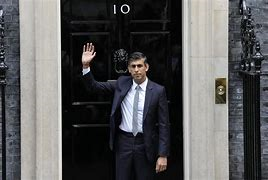
Neither was much observed in the Johnson Premiership but Sunak claimed he was different. Yet the reality is that he owes his Premiership to Braverman’s support but every day she remains as Home Secretary undermines his Premiership. Sunak was elected by no one (twice) and his reluctance to seek legitimacy by calling an Election will surely lead to more crisis and extra-Parliamentary protest and action


Leave a Reply