
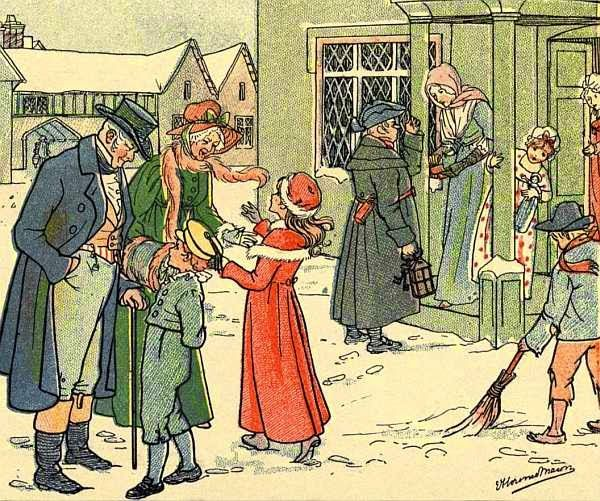
The early modern origins of Boxing Day. A matter of class
The origins of Boxing Day are in 2025 perhaps obscure. It was not, despite it now being, a major sporting day, traditionally a time for boxing matches for example.
Rather the early modern traditions of the day go back to the 1660s (just after the period when Christmas had been officially banned) where Christmas gifts (usually money) were left in a box by the better off for those who had done work for them during the year.
Hutton in Stations of the Sun notes that Samuel Pepys recorded putting money in five or six such boxes on Christmas Day 1667 to allow the recipients to have a more enjoyable festive season.
The following year Pepys was complaining (December 28th 1668) : “Called up by drums & trumpets; these things & boxes having cost me much money this Christmas.”
The wealthy being what they are complaints were not slow in coming. In 1710 Jonathan Swift complained that he would be ‘undone’ by the giving of Christmas boxes and in 1756 Sir John Fielding that the total cost of such boxes could amount to £30 (when the average wage was around £1 a week).
The Daily Telegraph, which knows about these things, has noted:
British servants to the wealthy in the 19th century were given time off to visit their families as their services had been required for the Christmas Day celebrations of their employers. They were therefore allowed the following day for their own observance of the holiday; each servant would be handed a box to take home, containing gifts, bonuses and sometimes leftover food.
As Hutton underlines the practice of the Boxing Day ‘box’ was not easily given up by the less well-off and in 1871 Boxing Day itself became an official day off, a Bank Holiday.
In modern neo-liberal times the pressure particularly in retail and services is making Boxing Day a working day again. The only effective brake here is trade union organisation.

 Kmflett's Blog
Leave a comment