
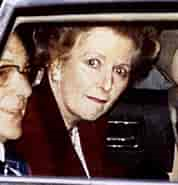
Margaret Thatcher 11 years on: history woman?
Margaret Thatcher died twelve years ago on 8th April 2013 at the Ritz Hotel in central London. She may be gone but her ideas and political strategies remain very much alive in both the Tory and Labour Parties. For perspective she left Government in 1990 so those can now recall her as PM are now,how shall we say, getting on a bit (like me..)
As someone who spent many, many hours on the streets and on picket lines protesting about Mrs Thatcher at the time I, along with many others, had good reason to reflect on the news of her death at 87 twelve years ago. At the same time looking historically it still remains too soon to judge the long term of impact of her Government
She was lionised by many on the political right and equally hated by many on the left. Mrs Thatcher’s short term impact on British politics and society can’t be doubted.
The Falklands War, the 1984/5 miner’s strike and the poll tax were all products of her administrations as was the privatisation of significant sections of the public sector from gas to telecoms and water and the sell-off of social housing.
In other words she was a formidable opponent, a hardline fighter for the interests of her side with the only person on the left who was really up to the challenge arguably being Arthur Scargill.
She was of course also the first female Prime Minister, but here again the legacy is mixed. She demonstrated that a woman could get to the top in politics but she was hardly a champion of the wider interests of women around issues like equal pay.
She could be said to have laid the basis for the neo-liberal pro-market politics that have characterised every Government since.
With the Thatcher Foundation which has been releasing papers and documents relating to her political activities Mrs Thatcher has done much to secure her own historical reputation even if these documents would be better off in the collections of the British Library than private hands.
It is still too soon to be sure whether Mrs Thatcher will come to be seen as a really significant figure in political history or someone whose period in Office marked the high water mark of a political approach that became increasingly discredited but remains hugely influential at the same time.
Her reactionary social attitudes- for example Section 28 which outlawed discussion of LGBT issues in schools have partly but certainly not entirely passed into history. Whether the same can be said of her pro-market economic policies is much less clear. The continuing impact of Thatcherism, as some called it and hence Mrs Thatcher’s political legacy, remains uncertain.
While famously born in Grantham Mrs Thatcher was an MP for a North London constituency-Finchley- which is now Labour held . It is difficult to see a candidate with her political background and views being easily elected in such an area today with the continuing decline in Tory support in urban areas.
A debate about her political impact in which the voices of those who were negatively impacted by her Governments as well as those who voted for them get a full hearing seems a better way of marking the twelfth anniversary of her death in the historical sphere.
Perhaps that debate should be focused on whether there is anything in Mrs Thatcher’s political legacy that we really want to still be around in another twenty years time.


That last sentence. No.
Gill