
Beard Liberation Front
2nd April
Research note
Between 1647 and 1660 Parliament banned the celebration of Easter. It was not the observance of Easter Sunday that was the issue but the feasting and drinking- think Easter ales- that went with it. This was regarded as non-religious. Like many bans it was likely not particularly effective.
However a question also raised is whether Parliament also banned beards?
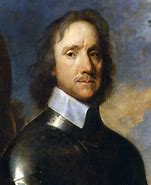
The Puritans in popular historiography are portrayed as short haired and clean shaven. Neither fitted the images we have of Cromwell.
There was however a belief associated with Puritanism that being clean shaven reflected openess,honesty and Enlightenment, whereas, those wearing beards were hiding something.
Royalists from King Charles 1st had long hair and beards. Cultural historian and beard expert Dr Alun Withy argues that in the seventeenth century a beard was thought to be waste from the testicles and so a symbol of manliness.
The battle between the King and Parliament however was not primarily about machismo but religion and politics. Puritans sought to distinguish themselves from their religious opponents not just at the level of ideas but also by appearance.
As ever there are caveats. The English Revolution of the 1640s was not a revolution from below, as, for example, 1917 was. Those in the leadership of the Royalist and Parliamentary forces came from the same social strata. I’m not sure (without further research) if any leading Royalists were clean shaven.
Cromwell in images we have of him has shoulder length hair and, often, a modest beard.
As often historical realities are more complex than stereotypes


Leave a Reply