
The link between the Chartist demonstration, Monday 10th April 1848 & the 1871 Bank Holidays Act
Today is the 175th anniversary of the Chartist demonstration for the vote on Monday 10th April 1848. The 100,000 plus who attended were not on strike. Taking Monday off, Saint Monday, was a widely practiced custom
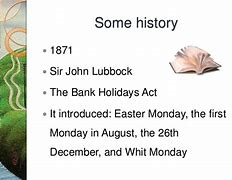
The 1871 Bank Holidays Act was designed to undermine Saint Monday by providing for several statutory Monday holidays during the year including Easter, Whitsun and August.
The daily routines of working life are well-known and they date back to the imposition of industrial disciplines on what had been previously an agricultural workforce during the nineteenth century.
Labour was required to work machines and if it wasn’t available money was being lost.
There was a battle over hours and time (there still is of course) and artisanal and craft working practices were only slowly given up.
EP Thompson in the Making of the English Working Class records employers complaints about the working practices of weavers. They did not work on Sundays, or Mondays (Saint Monday) or often on Tuesdays either. Towards the end of the week and on to Saturday they worked ferociously hard.
Saint Monday was a day of leisure to rest and to drink, or protest.
Thompson speculates in his essay Time Work Discipline that bursts of hard work followed by periods of idleness and drinking, while not what employers want, may well conform to a much more natural working pattern than the daily grind of economic reality most now experience.


Leave a Reply