
4th July & US Beer. Progress in history?
American Independence Day actually did result in US independence from the UK.
In due course Prohibition was enacted (something the UK never quite managed though there was and is no shortage of adherents) and then over turned.
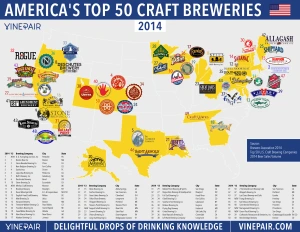
More recently and partly influenced by classic UK beer styles (think for example Fullers ESB) the US beer industry took off with what remains a vast range of craft brewers.
The 4th July was the one time in the year (the other being the start of the Great British Beer Festival which imported US beers, albeit via a ship) when in fairly recent times you might find a small range of US beers.
The White Horse in Parsons Green (for London drinkers) ran a festival and more recently some of craft beer bars.
Originally, in my memory, the US beers were marked by, in particular, two characteristics. Firstly very hoppy (and strong) IPAs. Secondly very strong and robust stouts and porters.
I distinctly recall a GBBF where a glass of Habanero IPA (which was very chilli-ish, at least as it then seemed was being thrust on unsuspecting drinkers by myself and several others.
But as readers of my blog know capitalism is a dynamic system and the world moves on.
Hoppy strong IPAs and robust porters and stouts are now produced in large numbers by UK breweries.
So what is the space for US beers in the UK now?
There is a growing recognition that if the beer takes ages to get here it may not be in the best condition.
Some US breweries now have UK operations/distribution to promote their beer. As likely as with Brooklyn the beer is brewed here (in this case by CarlsbergMarston)
US breweries also pioneered something that is a feature in the UK- larger breweries taking over smaller ones. That bloke with the beard (Karl not me) had a point when he underlined that capitalism leads not to competition but to monopoly.
The sheer scale of US craft brewing means that there will always be interesting stuff to try, a good deal of it cutting edge and a lot of which I hugely enjoy (in small amounts). But is beer history still progressing here?


Leave a Reply